Somewhere around November 7, the radiators in northern Chinese cities click on right on schedule. At the morning market, cabbages and white radishes pile up into little hills, and older folks start saying the same thing every year: “Lidong is here. Time for dumplings.” With that one day, winter officially begins — at least on paper.
Lidong (立冬, literally “the establishment of winter”) is the 19th of China’s 24 solar terms — an ancient calendar system that divides the year into 24 segments based on the sun’s position, each marking a shift in climate, farming, and daily life. The old texts put it plainly: “Li means to begin; winter means the end, when all things retreat into storage.” In other words, the harvest is fully in, and nature starts folding inward.
The ancients divided Lidong into three five-day phases: water begins to freeze, the ground begins to harden, and pheasants grow scarce. In plain language: thin ice forms on ponds, the soil starts to freeze, and the big birds of autumn quietly disappear. The world has moved from “gathering in” to “storing away.”
Why Lidong Really Is a Turning Point
Climatically, Lidong is a genuine watershed. On the North China Plain, early November daytime averages hover around 5°C — 4 to 5 degrees lower than late October — and the gap between morning and afternoon often exceeds 10 degrees. Step outside before sunrise and your breath fogs in the air. Further south, along the Yangtze River, temperatures sit between 10°C and 15°C, and when the rain comes, the damp cold seeps straight through your coat. In the Northeast and eastern Inner Mongolia, winter arrives earlier still: many places have already seen their first snow by Lidong, with overnight lows dropping below -10°C.
That contrast is part of Lidong’s charm. On the very same day, the south is still enjoying autumn while the north is already in early winter. One solar term, two seasons — which is exactly why the Chinese calendar has survived for over two thousand years: it tracks what you can actually feel.

From Imperial Rites to Dumplings: How Lidong Was Celebrated
In ancient China, Lidong was a serious occasion. The Book of Rites (礼记, a Confucian classic compiled over two thousand years ago) records that the emperor would lead his officials to the northern suburbs to welcome winter, make offerings to the deity in charge of the season, hand out warm clothing to his court, and offer relief to widows, orphans, and the elderly. The ceremony was elaborate; the message was simple: winter is coming, look after people.
For ordinary families, the ritual was far more practical: eat something good, and “nourish for winter” (补冬, bǔ dōng — the tradition of eating warming, hearty food as the cold sets in).
The Dumpling Rule of the North
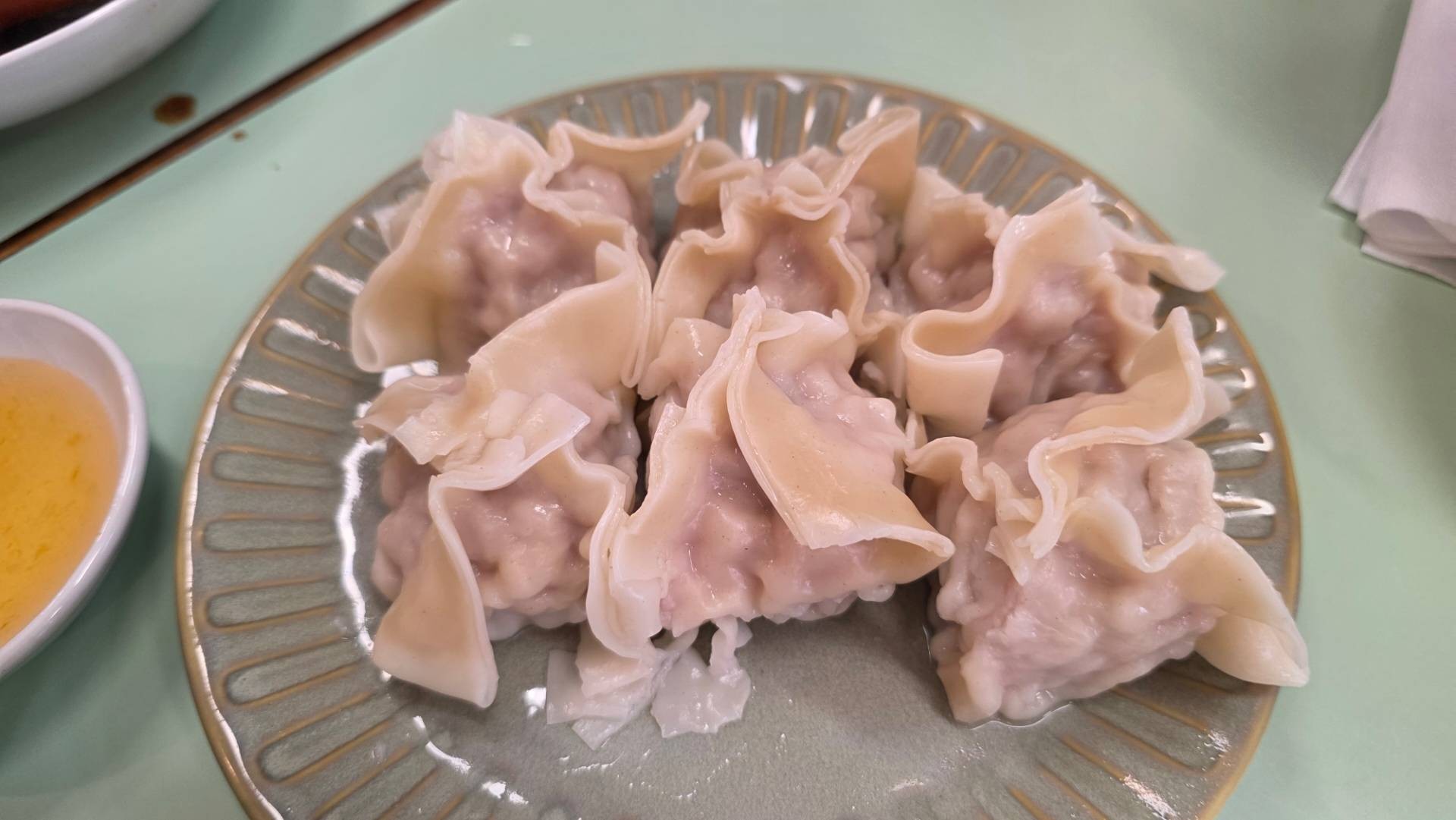
In northern China, the most famous Lidong custom is eating dumplings. The old saying goes: “If you don’t hold a bowl of dumplings on Lidong, no one will care if your ears freeze off.” Behind the rhyme is a legend: Zhang Zhongjing, a Han-dynasty physician revered as the “Medicine Sage,” saw villagers with frostbitten ears and made them dumplings shaped like ears, stuffed with mutton and warming herbs. The frostbite, so the story goes, gradually healed.
Legend aside, a steaming plate of dumplings fits Lidong perfectly. In Beijing, Tianjin, and Hebei, eating dumplings on Lidong remains a non-negotiable rule, with fillings like mutton and scallion or pork and cabbage, often served with a small dish of black vinegar and crushed garlic.
How the South “Nourishes for Winter”
Southern China has its own, more varied menu. In Fujian and Taiwan, ginger duck and mutton hotpot bubble away in clay pots for two hours, perfuming whole streets. Around Shaoxing in Zhejiang, families start brewing the new year’s rice wine at Lidong, a batch affectionately called “Lidong brew.” In the Chaoshan region, people eat sugarcane and stir-fried rice cakes, chasing the lucky phrase “rising step by step” (节节高). The dishes differ, but the idea is identical: when the cold arrives, eat something warm and substantial, and take care of your body.
Folk Weather Wisdom
Farming proverbs also preserve how closely people watched Lidong weather: “A clear Lidong means a freezing winter; a cloudy Lidong means a mild one.” Whether or not the forecast holds, the saying captures something real — in an agricultural society, a single day’s weather was read as a hint about the months ahead.
Living Through Lidong: Three Small Adjustments
When the solar term arrives, your daily rhythm can shift with it. The ancient advice was “go to bed early, rise late, and wait for sunlight.” Translated to modern life: aim to sleep before 11 p.m., don’t force yourself up before dawn, and wait until the sun is out before heading outside. Winter days are short and nights are long; staying up late or exercising in the pre-dawn cold only makes catching a chill more likely.
Morning exercise can wait until after 9 a.m., once the sun has had a chance to warm things up. Keep it to 30 to 60 minutes, and stop at a light sweat — winter workouts are about keeping the body moving, not pushing it hard.
Dress Like an Onion
Layering beats one thick coat. Start with a moisture-wicking base layer, add a sweater or fleece in the middle, and finish with a windproof outer layer. Add or remove layers as the day warms and cools, and you will be far more comfortable than in a single heavy jacket worn all day. Three areas deserve extra protection: the head and neck, the waist and abdomen, and the ankles. Scarves, hats, and thick socks earn their keep now — and an extra pair of socks does more for warmth than another cup of hot water.
Eat Seasonal and Warm
After Lidong, the market itself points the way: mutton stewed with white radish, pork rib soup with yam, sweet potato porridge, stir-fried cabbage — everyday ingredients, inexpensive, and in season. Cold fruits and iced drinks can wait for warmer months. Hotpot and barbecue are fine occasionally, but not as a daily diet of heavy oil and spice. These are general everyday living tips, not medical advice; if you genuinely feel unwell, see a doctor rather than expecting any single meal to fix it.
After Lidong: Slow Down a Little
There is another layer to Lidong that often gets overlooked: winter is the season of “storing” (藏, cáng). The ancients compared the year to a single day — spring gives birth, summer grows, autumn harvests, winter stores. Winter, in this view, is for rest and rebuilding strength.
That idea still works in modern life. After a year of running at full speed, Lidong is a good moment to ease off half a gear. On sunny days, take a half-hour walk at midday, and put your quilts and coats out in the sun while you are at it — there is nothing quite like climbing into a sun-warmed blanket at night. At home, winter preparations themselves can be a comfort: pickling a jar of mustard greens, drying radish strips, or, in the northern tradition, stocking up on dozens of pounds of cabbage. These small, hands-on preparations are their own kind of security.
The mindset can “store” too: less scrolling on your phone late at night, more time for family, books, and yourself. Long winter nights are made for the books you never got around to, or for sorting through a year’s worth of photos and old belongings. By the time Lichun — the first solar term of spring — arrives, you may find the winter was not something to endure, but a season that quietly gave you your strength back.

Three Things You Can Do This Lidong
Lidong is not a festival that demands grand celebration. It is more like a signpost in the year: a reminder that the days are colder, the nights longer, the thick clothes are due out — and that you deserve a little extra care. This weekend, try three small things: make or buy a plate of dumplings and eat a proper meal with your family; swap the thin quilt for the thick one and check that your scarves and gloves are all accounted for; and on a clear midday, step outside for half an hour of sun and a walk. Winter has only just begun. Taken slowly, it can be warm and steady all the same.
Quick Answers
What is Lidong?
Lidong (立冬) is the 19th of China’s 24 solar terms, falling around November 7 each year. It marks the traditional beginning of winter in the Chinese calendar, when the harvest ends and nature retreats into a quieter, stored-away phase.
When is Lidong in 2026?
Lidong falls on November 7, 2026. The date shifts by a day or so from year to year because the solar terms follow the sun’s position, not a fixed calendar date.
Why do people eat dumplings on Lidong?
In northern China, eating dumplings on Lidong is a long-standing custom tied to the legend of physician Zhang Zhongjing, who made ear-shaped dumplings with mutton and warming herbs for villagers suffering frostbite. Today, dumplings remain the classic Lidong meal — warm, filling, and shared with family.
What are the 24 solar terms?
The 24 solar terms (二十四节气) are an ancient Chinese calendar system that divides the year into 24 segments based on the sun’s ecliptic longitude. They track seasonal changes in climate, farming, and daily life, and were inscribed on UNESCO’s Representative List of the Intangible Cultural Heritage of Humanity in 2016.
How should daily life change after Lidong?
General, everyday adjustments are enough: sleep a little earlier, wait for daylight before morning exercise, dress in layers, protect the head, waist, and ankles from cold, and favor warm, seasonal food. These are ordinary living tips, not medical treatment — see a doctor for any real health concern.