The keys to the new apartment are finally in your hand. The boxes are still stacked in the hallway, the furniture has not arrived yet, and already someone in the family asks the question every Chinese household seems to ask first: “Have you picked the day yet?” Choosing a moving date is one of those old customs that looks like a single decision – circle one day on the calendar – but behind it sits a whole system of ideas about timing, direction, and the rhythm of family life.

This guide explains how that system works, step by step, so you can pick a date that feels right, avoid the obvious clashes, and keep moving day itself calm and well organized. Think of it as cultural know-how, not a fortune-telling service: the tradition itself treats a good date as a helpful starting point, not a guarantee.
The Logic Behind Date Selection: Not Good or Bad, but Fitting or Not
Many people open the almanac, look for the words “suitable for moving,” and stop there. If the words appear, it must be a good day; if they do not, the day must be off limits. The traditional way of thinking is more precise than that. The same day can suit one family well and another family less well, because the general calendar still has to be matched against the specific household.
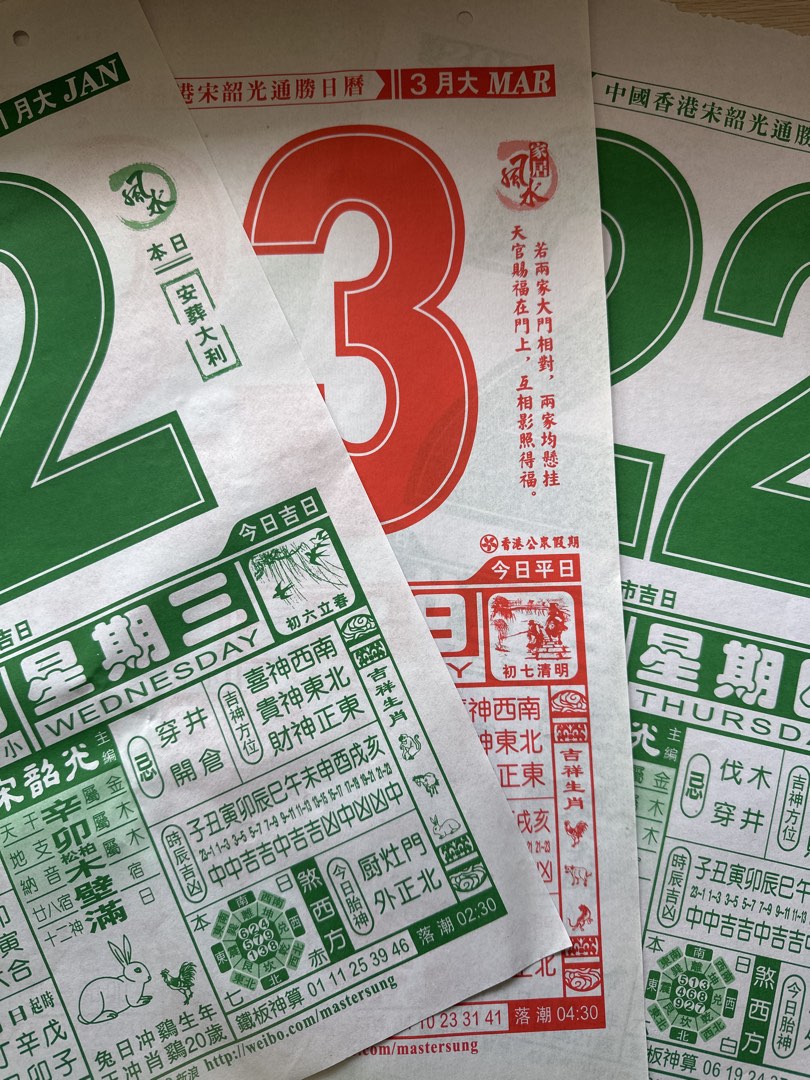
The tongsheng almanac, the traditional Chinese daily calendar that lists auspicious and inauspicious activities for each day, gives a general reference. It tells you what a day is broadly suited for. What it cannot tell you on its own is how that day lines up with three things that vary from family to family: the zodiac sign of the head of the household, the orientation of the new home, and what the family actually has planned for that day.
Take a concrete example. Suppose the almanac marks a certain day in the third lunar month as suitable for moving into a new home. For a household headed by someone born in the Year of the Rat, that day may be perfectly fine; for a household headed by someone born in the Year of the Horse, the same day may carry a clash. Likewise, a home that faces south and a home that faces west are treated differently under the traditional rules about direction. Date selection, then, is less about finding a golden label on the calendar and more about matching the general calendar to your own situation, crossing out the days with clear conflicts, and choosing from what remains a day when everyone is free and the weather cooperates.
Picking the Day in Four Steps: From People to House to Calendar
Work through the steps in this order and you will not get lost among dozens of “suitable for moving” days.
Step 1: Set the Window First
Start with the hard constraints: the hours your building management allows moving, the moving company’s availability, and when family members can take time off. This is the step people most often skip, and it causes the most last-minute changes. A date can look perfect on the almanac and still fall apart if the building only lets the freight elevator run on weekdays, or requires weekend bookings a week in advance.
Call the property management office before you open the almanac. Ask which hours the freight elevator runs, whether you need to register in advance, and which route large furniture should take. Once those time windows are fixed, your choice naturally narrows to two or three weekends, or a handful of weekdays. That is a much easier list to work with.
Step 2: Check the Zodiac Clash and Cross Out Conflict Days
Each day in the almanac carries a note about which zodiac sign it clashes with, written as “clash with Rat,” “clash with Tiger,” and so on. In traditional terms, chongsha means a clash between the day’s energies and a person’s zodiac sign, and a day that clashes with the head of the household is traditionally considered unsuitable for that person to lead the move-in.
The practical method is simple. List the zodiac signs of the family’s key members, then cross out any day marked as clashing with any of them. If a couple were born in the Years of the Dragon and the Dog, cross out both “clash with Dragon” and “clash with Dog” days. Plenty of options will still remain, so there is no need to agonize over a single crossed-out date.
One common misunderstanding is worth clearing up. A clash note is traditionally aimed at the person leading the ceremony – the one who opens the door first and heads the move-in ritual – not at every family member carrying a box. Once you understand that distinction, a single clash note will not force you to cancel the whole family’s schedule.
Step 3: Consider the House Orientation
Traditional date selection also includes rules about direction. Two of the best known are the san sha directions, traditionally translated as the “three killings” directions, and the yearly clash direction, known as sui po. In each year and month, certain compass directions are traditionally regarded as unfavorable for breaking ground, demolishing walls, or making a big commotion.
Here is how that plays out in practice. Suppose in a given year the san sha directions fall in the east, and your new front door faces east, and you are planning demolition work on moving day. Tradition would suggest postponing that work. But if you are simply carrying furniture through the door without touching any walls, many local customs do not treat that rule as strictly binding. The point is proportion: direction rules matter most when heavy work is involved, and much less when the move is a straightforward carry-in.
Step 4: Let Weather and Daily Life Have the Final Say
This step is the easiest to overlook and the one that most affects how moving day actually feels. Rain soaks cardboard boxes, wets furniture, and makes stairwells slippery. Moving at noon in the height of summer risks heat exhaustion for older relatives and children. Moving on a weekday morning can disturb neighbors who work night shifts. The old idea of “right timing” translates, in modern life, into a weather forecast plus the building’s daily rhythm: a clear morning, mild temperatures, and a day when the whole family is free will usually serve you better than stubbornly holding out for one supposedly perfect date.
Setting the Hour: The Move-In Time and the Day’s Flow
Once the day is set, the next question is the hour. A huangdao jiri, literally an “auspicious day on the yellow path,” is a day marked in the almanac as favorable, and within such a day, tradition usually favors the morning for moving in – for example the chen hour, from 7 to 9 a.m., or the si hour, from 9 to 11 a.m. The everyday logic is easy to see: morning light is good, energy is high, and by moving early you still have the whole afternoon to unpack, so that by evening the new home is already livable, with dinner cooked and beds made, instead of boxes still being opened at midnight.
The day’s flow varies by region, but a common version runs like this:
- Arrive about half an hour before the chosen hour. Open the windows for fresh air, and carry in first the items that symbolize abundance – rice, cooking oil, and red envelopes – placing them in the kitchen or living room where they can be seen.
- The head of the household enters next, switching on all the lights and running the taps briefly. The traditional term for this is “warming the hearth,” and the idea is to get the new home’s air and water moving, so the place feels lived in from the first hour.
- Bring large furniture in according to a floor plan sketched in advance. Place the bed and sofa first, since they take up the most space, then unpack smaller items, so nothing has to be moved twice.
- Cook something simple at midday in the new home, even just a pot of noodles or a kettle of water. Many families treat this first cooking as the real marker that they have officially moved in.
- Finish the essentials before evening: gather the boxes into one room, and leave the bedroom and bathroom usable first. The rest of the unpacking can comfortably stretch over the next two or three days.
Taboos and Cautions: Telling Real Customs from Exaggerations
Moving taboos circulate widely, and they fall into two groups: customs with genuine folk roots, and later exaggerations. Knowing which is which makes the whole subject much less stressful.
Common Traditional Customs
- Pregnant women and older relatives traditionally do not carry heavy loads during a move. Read in modern terms, the core of this custom is simple protection: avoid strain, lifting, and bumps. In practice, that means they direct and check items off the list while others do the lifting.
- No unlucky words and no quarrels on moving day. This is less superstition than family psychology. Moving is exhausting, and one argument can sour the mood for the entire day. Agreeing beforehand to talk only about solving problems on the day works remarkably well.
- Sort old belongings into three groups before the move: take, give away, and discard. Tradition says cracked mirrors and chipped bowls should not enter the new home; the modern version of the same idea is decluttering. Broken or unused things are not worth paying to transport and store.
- Keep the new home lit and lively on move-in day. Many families invite friends or relatives for a simple lunch, a custom called nuanfang, literally “warming the house.” Beyond tradition, it serves a practical purpose: the new home gathers people for the first time, and guests help unpack and learn the way to the door.
Exaggerations to Treat with Skepticism
- The claim that moving on a particular day guarantees wealth, or that another day guarantees disaster. This squeezes a family’s whole life into a single date, and even the traditional date-selection books themselves do not make such absolute claims.
- The idea that you must step through the door at one exact minute, and that arriving one minute late ruins everything. In tradition, a favorable hour is a two-hour window, not a single minute. Being delayed ten minutes by traffic is nothing to worry about.
- The claim that you must hire a particular person or obtain a particular object to “fix” a bad date. Whenever a custom is bundled with a sales pitch, be cautious. The tradition itself does not depend on acquiring any specific product.
Conclusion: A Good Day Is Chosen, and Then Lived
Looking back over the whole process, moving date selection comes down to four moves: fix the time window set by the building and the family, use zodiac clashes and house direction to rule out conflict days, pick a clear morning that fits real life, and walk through move-in day steadily, step by step. A date chosen with care gives the family peace of mind, and a smooth moving day is the real value the custom delivers.
Here is an action plan you can follow tonight. Spend twenty minutes calling the property office for the freight elevator hours, then list three days in the next two weeks when the whole family is free. Cross out the days that clash with the head of the household’s zodiac sign, pick a clear morning from what remains, and book the moving company a day in advance. Once the date is set, stop second-guessing it, and put the remaining energy into the packing list and the layout of the new home. After all, the days you live in the new home afterward are what the whole custom is really meant to protect.

Quick Answers
What if every “suitable for moving” day clashes with someone in the family? Cross out only the days that clash with the person leading the move-in, not every family member. If the clash still blocks every option, widen the window by a week or two rather than forcing a date that worries you. The tradition is meant to reduce stress, not create it.
Is the morning really necessary, or can I move in the afternoon? Morning is the traditional preference because it leaves the afternoon for unpacking, but an afternoon move is not a broken rule. What matters more is finishing the essentials – beds made, bathroom usable, first meal cooked – before the day ends.
Does a clash day mean the whole family must stay away? No. In traditional terms, the clash applies to the person heading the move-in ceremony. Other family members helping with carrying and unpacking are not covered by the same rule, so there is no need to cancel everyone’s schedule over one note in the almanac.
Should I believe that one date can decide my family’s fortune? Treat that claim as an exaggeration, not a custom. Traditional date selection is about choosing timing that feels orderly and auspicious, and about the peace of mind that comes with it. The life a family builds in the new home afterward matters far more than any single day on the calendar.