One morning you catch your reflection while brushing your teeth: your tongue looks dark purple, with teeth marks pressed along its edges. Your hands and feet feel cold all year round, worse in winter. Last week you bumped your shin on the coffee table, and the bruise is still there, purple and stubborn, two weeks later. If two or three of those sound familiar, this guide is worth reading carefully. In traditional Chinese medicine (TCM), this pattern has a name: blood stasis. Blood stasis is what TCM calls it when blood flows slowly and unevenly, leaving some parts of the body undernourished for long stretches. TCM describes nine constitution types, or body types based on long-term patterns of energy, digestion, and resilience, and blood-stasis constitution is one of them. It is not a disease. It is a pattern you can work with — and autumn and winter, when the cold slows everything down, are exactly when it matters most.
Seven Signs: A Quick Self-Check
In TCM, blood-stasis constitution is not a diagnosis but a body state: blood moves slowly and unevenly, and certain areas go without enough nourishment for months at a time. Check yourself against these seven signs. If three or more apply, it is worth paying attention; if five or more apply, consider seeing a TCM practitioner in person for a proper assessment.
- Dull complexion and purplish lips: Your face looks sallow and dim, your lips are dark or purplish, and the dullness shows through even under lipstick.
- You bruise easily: Purple marks appear on your arms and legs without you noticing how they got there. The lightest bump leaves a mark, and a bruise takes two or three weeks to fade.
- Pain fixed in one spot: A headache that always sits on the same side of the temple, or a shoulder or lower-back point that hurts whenever you press it — the location never moves.
- Cold hands and feet, always chilly: In autumn and winter your hands and feet feel like ice. Two blankets at night still leave your feet cold, and while everyone else wears one layer, you need three.
- Dark spots on the tongue: Your tongue looks dark purple, the two veins underneath it are thick and purple, and small purple spots scatter across its surface.
- Period discomfort: For women, menstrual blood is dark and clotted, and the lower belly aches one or two days before the period starts. Once the clots pass, the pain noticeably eases.
- Forgetfulness and light sleep: You put something down and forget where it is a minute later. At night you sleep shallowly, wake up easily, and still feel tired in the morning.
One sign alone proves nothing — cold hands might just mean you need warmer gloves. It is the combination that tells the story: a dull complexion plus easy bruising plus fixed, stabbing pain. When that trio shows up together, the pattern points clearly toward blood stasis.
Why Blood Gets Stuck
For blood to flow smoothly, three things have to work: qi (pronounced “chee”), the body’s vital energy, pushes it along; warmth keeps it from thickening; and the vessels stay open. When any one of the three fails, circulation slows. Autumn and winter are the hardest season for this constitution: the temperature drops, blood vessels constrict, and blood that was already slow moves slower still.
Sitting all day: nothing pushes the blood
Office workers are the classic case. Eight to ten hours a day in a chair, getting up only to refill a water bottle or use the bathroom. In TCM, the flow of qi and blood is driven by body movement — sit still long enough and blood pools in the lower legs and moves more and more slowly. Many people feel it by three or four in the afternoon: heavy legs, swollen feet, and a walk around the office is the only thing that loosens them up.
Cold exposure: blood thickens when it gets cold
A summer of air conditioning and iced drinks lets cold enter the body through the skin and the stomach. Then autumn and winter arrive and the neck, waist, and ankles stay exposed. TCM has an old saying: “blood congeals when it meets cold.” Blood already moves slowly in cold weather, and every extra chill makes it slower.
Stress, and the slow creep of age
Long-term stress and swallowed anger stagnate qi — the energy that moves blood — and when qi stops, blood follows. Plenty of people know the feeling firsthand: after a big argument, the chest feels tight, the head aches, and the next morning an unexplained bruise has appeared. After 40, the body’s ability to push blood along naturally declines, and old injuries add to the bill: the places you hurt years ago ache on rainy days, which is the body reminding you that circulation there was never quite the same.
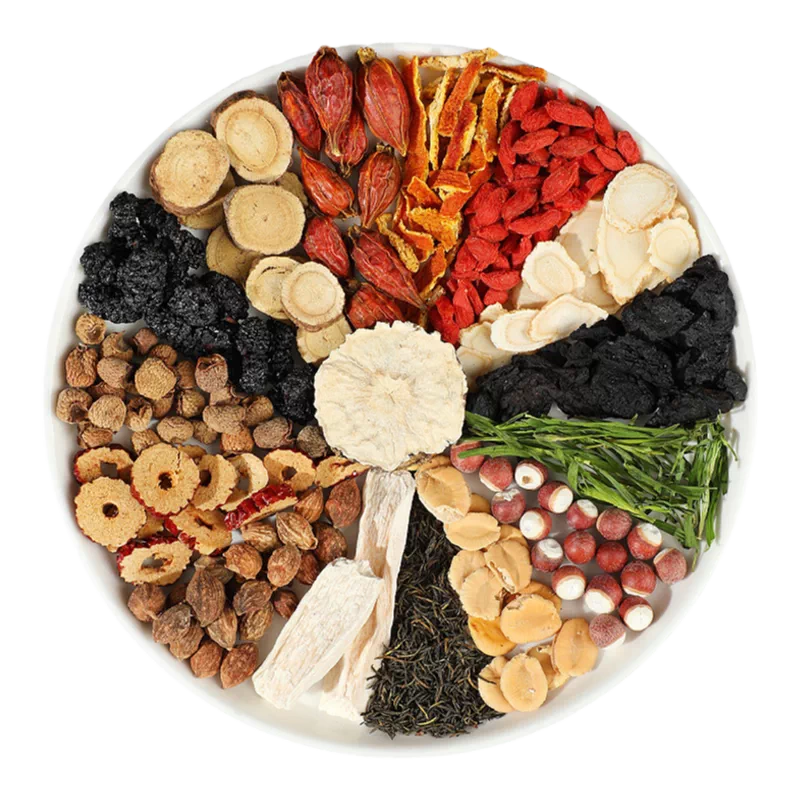
Eating for Better Flow: Foods for the Autumn and Winter Table
The core idea for a blood-stasis constitution is warmth and movement: eat warm foods that help blood flow, and cut back on raw, cold, and sticky foods. No expensive tonics are needed — ordinary kitchen ingredients, used right, are enough.
- Hawthorn: Steep five to eight dried hawthorn berries in hot water each day, or add three to five slices to a pot of porridge. It is especially good in autumn and winter, when meals get heavier. If you have too much stomach acid, do not eat it on an empty stomach.
- Black fungus: Two or three times a week, soak a small handful of dried black fungus and toss it into a cold salad or a stir-fry. Cook it with green peppers and onion — it tastes good and the combination is a kitchen classic.
- Red dates: Three to five a day, eaten as-is or cooked into millet porridge. People with blood stasis are often deficient in both qi and blood, so moving blood without nourishing it only leaves you more depleted.
- Ginger: In autumn and winter, simmer two or three slices of fresh ginger in water each morning, or add extra shredded ginger when you cook. Ginger is warming and drives out cold — but go easy on it in the evening, as it can disturb sleep.
- Onion: About twice a week, scrambled with eggs or sliced into a cold salad. Cheap, and every kitchen already has it.
Two simple recipes to start with. Hawthorn and red date tea: six dried hawthorn berries and four red dates in 500 milliliters of water, simmered for ten minutes, and drunk as tea three or four times a week — good for the sleepy afternoon when your hands and feet feel cold. Brown sugar, ginger, and red date tea: 15 grams of brown sugar, three slices of ginger, and three red dates in hot water. Women can drink one cup a day in the week before their period; once the body warms up, the clots in menstrual blood usually become fewer.
What to cut back on: ice-cold drinks and fruit straight from the fridge — in autumn and winter, eat them at room temperature or warmed up instead. Fatty meat and deep-fried food make blood thicker and stickier; once or twice a week for a treat is fine, but every day is not.
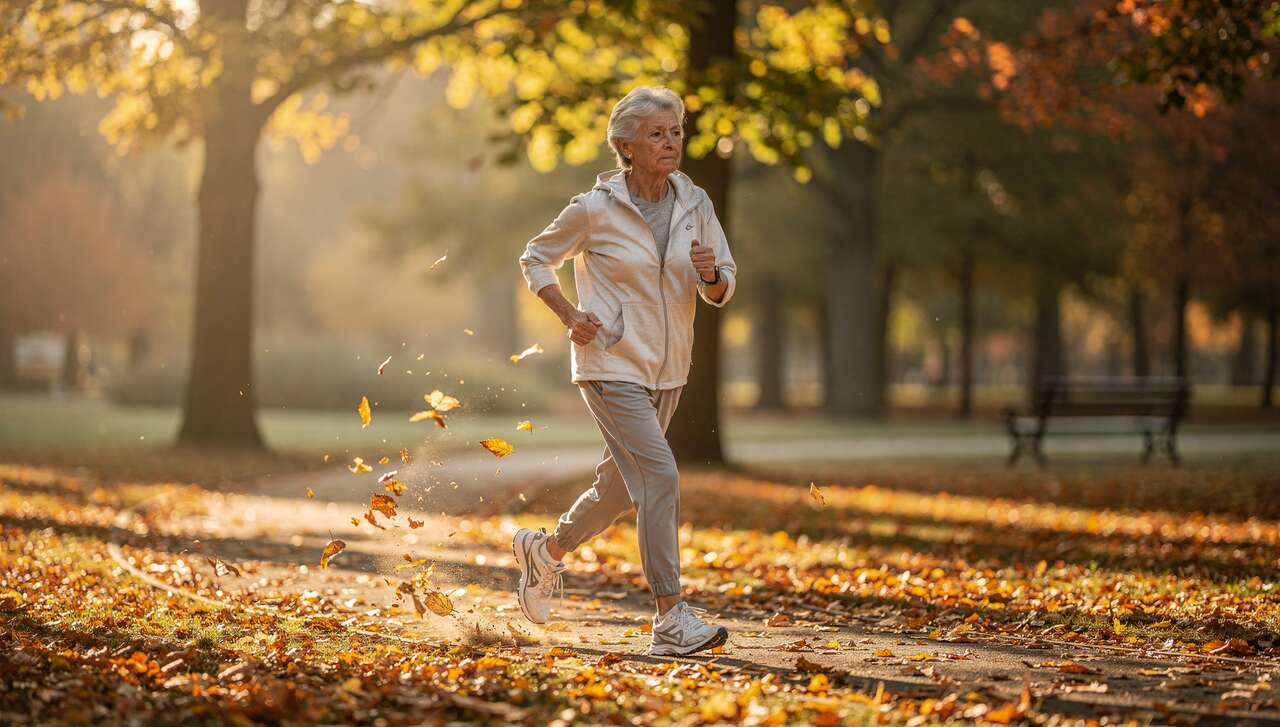
Movement and Daily Habits: Get Your Blood Moving
For a blood-stasis constitution, exercise is not about building muscle — it is about getting blood flowing. The rule is simple: move every day, move evenly, and let the whole body warm up.
Thirty minutes of brisk walking a day
In autumn and winter, set aside 30 minutes a day for a brisk walk — fast enough to break a light sweat and leave you able to talk but not sing. The best time is after the morning sun is up, when the air is warmer and the sunlight helps the body warm itself. After two weeks of it, most people notice their hands and feet getting noticeably warmer.
Baduanjin and warm foot soaks
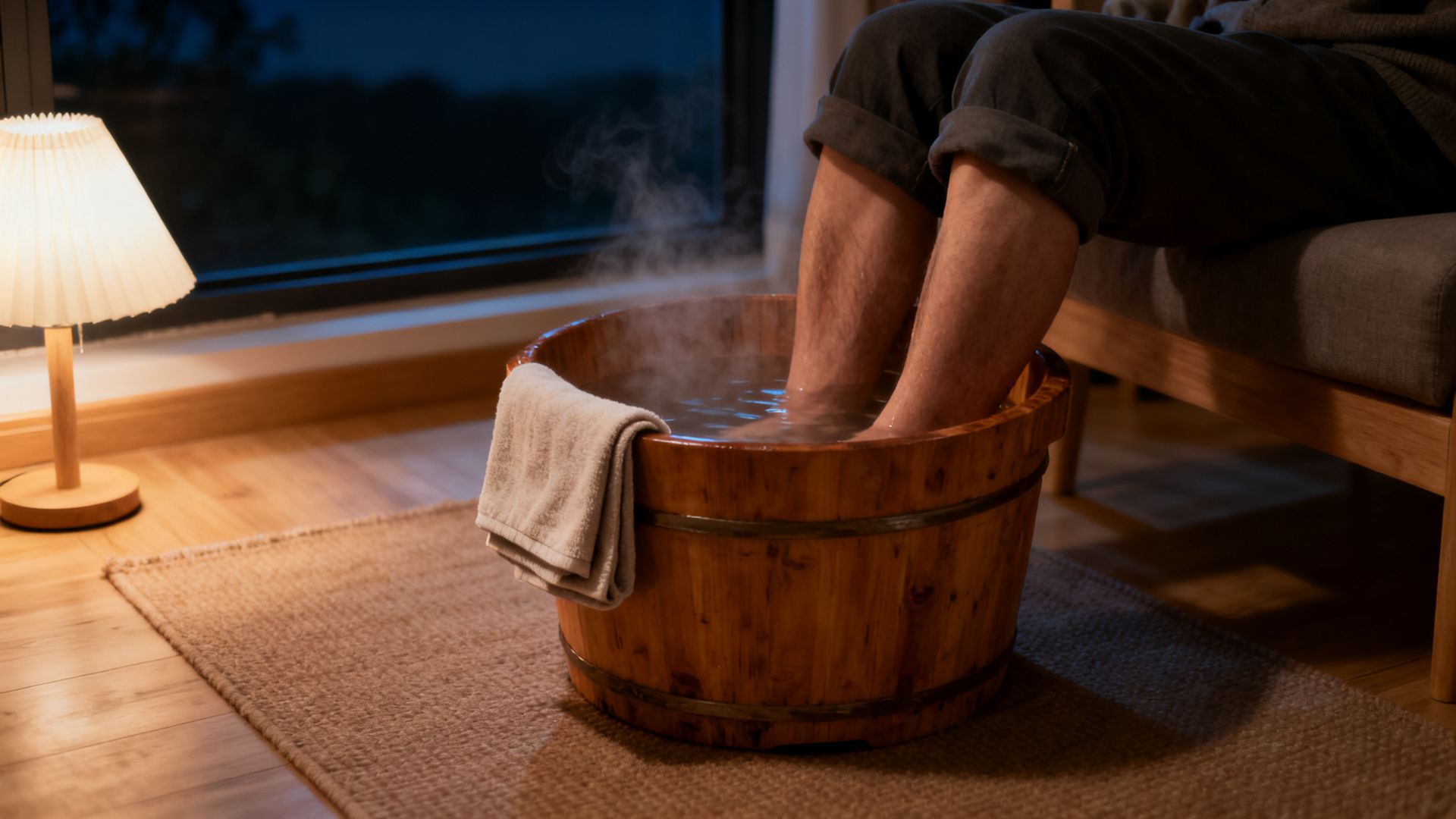
Baduanjin is a traditional eight-movement qigong routine, slow and with wide, stretching movements — ideal for people whose qi and blood do not flow well. Practice it once or twice a day, about 15 to 20 minutes. Pay special attention to the first movement, “Holding Up the Sky,” breathing deeply as you stretch and feeling the blood follow the movement out toward your limbs. Around 9 p.m., soak your feet in water at 38 to 42 degrees Celsius (100 to 108 degrees Fahrenheit) for 15 to 20 minutes, deep enough to cover the ankles, until your forehead is lightly damp. A small handful of mugwort leaves or a few slices of ginger in the water adds warmth. Do not let the water go above 45 degrees Celsius (113 degrees Fahrenheit), and do not soak for more than half an hour. People with diabetes or broken skin on their feet should ask a doctor before starting foot soaks.
Sleep and keeping warm
Get to bed before 11 p.m. During deep sleep, the body concentrates on repair and regulating circulation, and people who stay up late for years almost always have worse blood stasis. When you go out in autumn and winter, protect three places: wear a scarf around your neck, keep your waist and belly covered, and wear socks that cover your ankles. Many young people wear cropped trousers that leave their ankles bare in winter — that is exactly where cold creeps in, a little at a time.
Quick Answers
How is blood stasis different from poor circulation? Poor circulation is a general description, often a medical one. Blood stasis is a TCM pattern: it describes the whole picture — the dark tongue, the fixed pain, the easy bruising — not just cold hands. A doctor checks the vessels; a TCM practitioner reads the pattern. They answer different questions.
How long before I feel a difference? Give it at least one to two weeks of steady habits. Most people notice warmer hands and feet and lighter mornings within the first week or two of daily walking and foot soaks. If nothing changes after a month, get a practitioner to check the pattern in person — the cause may be different from what you assumed.
Can I take blood-moving herbs or supplements on my own? Be careful. Herbs and supplements that move blood can interfere with medication and are not safe for everyone — especially during pregnancy, while breastfeeding, or if you take blood thinners. Ask a doctor or a qualified TCM practitioner first, and never start one because a product page says it “promotes circulation.”
Is foot soaking safe for everyone? No. The water should stay between 38 and 42 degrees Celsius (100 to 108 degrees Fahrenheit), and never above 45 degrees. People with diabetes, poor sensation in their feet, or broken skin should check with a doctor first, because they may not feel the heat properly.
What is the single best first step? Start tonight: a 15-minute foot soak at 9 p.m. and lights out by 11. Tomorrow, walk briskly for 30 minutes after the sun is up and drink a cup of hawthorn and red date tea in the afternoon. Four small changes, seven days, then count the signs from the first section again and see how many have softened.
When should I see a doctor instead? If a fixed pain becomes severe and does not go away, if a bruise suddenly grows much larger, if there is abnormal bleeding during your period, or if you feel persistently weak and dizzy, go to a hospital promptly. Those signs need a medical check first, before any constitution work.
There is no shortcut for blood stasis. It comes down to small daily habits: move every day, eat warm, soak your feet, and sleep before 11. Try the seven-day plan below, and pay attention to the small changes — warmer hands, deeper sleep, a bruise that finally fades on time. That is blood starting to move again.
A 7-day plan to start today: walk briskly for 30 minutes, soak your feet for 15 minutes in the evening, drink one cup of hawthorn and red date tea, and be in bed by 11 p.m. Keep a short note each day on how warm your hands and feet feel, how deeply you sleep, and how fast bruises fade. Most people feel the difference within a week — warmer hands, a clearer head in the morning — and that is the first sign that blood is flowing again.
Disclaimer: This article is educational content about TCM constitution types. It is for general information only and is not a substitute for medical diagnosis or treatment, and it promises no results. If your symptoms are pronounced, persistent, or you have an underlying health condition, please consult a doctor and follow their guidance. Do not start blood-moving herbs or supplements without a doctor’s advice, especially if you are pregnant, breastfeeding, or taking anticoagulant medication.