It is a cold November evening. You come home, open the door, and the first thing you want is something warm in your hands. Not takeout, not a rushed sandwich – a bowl of soup that has been simmering on the stove while you were out. That is the quiet charm of autumn and winter stew soups: you put the ingredients in the pot, let time do the work, and dinner practically cooks itself.
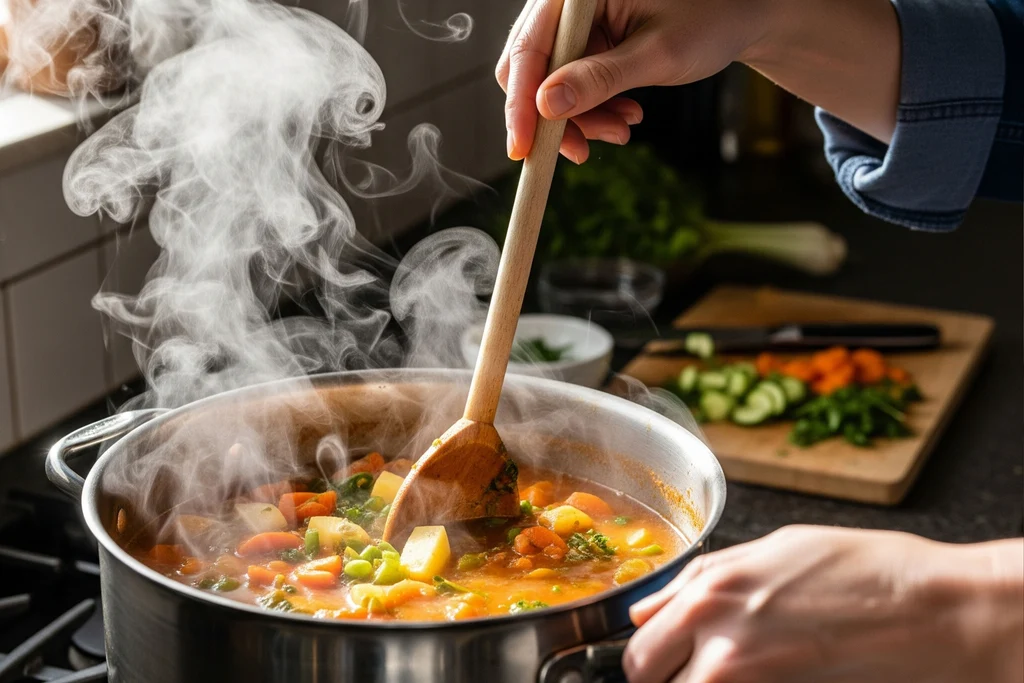
In Chinese home cooking, soup is more than a side dish. On a cold night it can be the main event, served with a bowl of rice and a plate of greens. This guide gives you four everyday recipes with exact amounts and steps, plus the pairing mistakes that turn a good soup into a bad night.
Why Soup Works So Well in Autumn and Winter
Cold, dry weather changes what your body wants. You need more warmth and more fluids than in summer, but your stomach is also more sensitive to cold food. A bowl of soup solves both problems at once: it delivers water and heat together, and ingredients stewed until soft are easy to digest.
You do not need expensive ingredients. Pork ribs, chicken, white radish, lotus root, yam, and dried white fungus (tremella) are all cheap at any market, and combined well they are more than enough. Two things matter most: fresh ingredients in the right amounts, and enough cooking time so the soup stays clear rather than greasy.
One practical rule: cook for 3 to 4 people at a time. A pot that is too big loses flavor when reheated the next day, and leftovers that sit too long are not worth the fridge space. Make what your household can finish tonight, and cook fresh tomorrow.
4 Home Stew Soups: Exact Amounts and Steps
1. White Radish and Pork Rib Soup: Light, Clean, and Perfect After a Heavy Meal
Ingredients: 500 g pork ribs, 400 g white radish, 3 slices of fresh ginger, a few spring onion segments, 3 g salt.
Put the ribs in cold water, add 1 tablespoon of cooking wine, and blanch for 3 minutes. Skim off the foam, rinse the ribs, and return them to a clean pot with 1.5 liters of water and the ginger slices. Bring to a boil over high heat, then turn down to low and simmer for 40 minutes. Add the radish, cut into chunky rolling pieces, and simmer for another 25 minutes. Add the salt 5 minutes before serving.
The radish is done when it turns semi-transparent and a chopstick slides through it easily. The soup should taste clean and lightly sweet, never greasy. This is a good choice for the whole family, especially the day after a rich dinner when everyone wants something lighter.
One timing tip: do not add the radish too early. If it goes in at the start, it will dissolve into mush and you lose the texture entirely.
2. Lotus Root, Peanut, and Pork Trotters Soup: Rich and Warming for Cold Hands and Feet
Ingredients: 1 pork trotter, about 600 g, 300 g lotus root, 50 g peanuts, 4 slices of fresh ginger, 4 g salt.
Cut the trotter into pieces and blanch it. Peel the lotus root and slice it thick. Soak the peanuts for 1 hour beforehand. Put everything in a pot with 2 liters of water, bring to a boil, then simmer on low heat for 1.5 hours. When the trotter skin is soft and a chopstick passes through it easily, add the salt.
Peanuts become soft and starchy after long cooking. If you prefer them with some bite, add them 30 minutes later than the other ingredients.
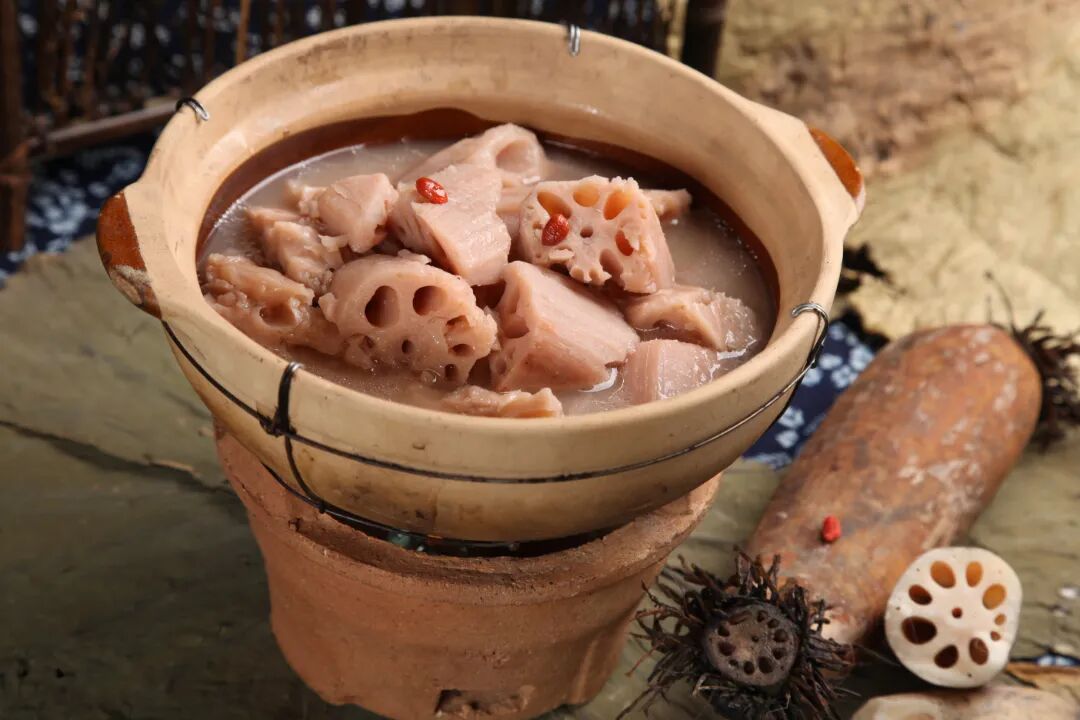
This is a rich soup, so one small bowl in the evening is enough – there is no need to pair it with more meat dishes. If you watch your blood lipids, skim the floating fat off the surface before serving. A clearer surface means a lighter meal.
3. Yam, Goji Berry, and Black-Bone Chicken Soup: Gentle and Nourishing for Seasonal Fatigue
Ingredients: half a black-bone chicken, about 500 g, 300 g yam (Chinese yam), 15 g goji berries, 4 red dates (jujubes), 3 slices of fresh ginger, 3 g salt.
Blanch the chicken to remove blood residue. Peel the yam, cut it into chunks, and keep the pieces in clear water so they do not darken. Put the chicken, ginger, and red dates in a pot with 1.8 liters of water and simmer for 50 minutes. Add the yam and simmer for 20 more minutes. Add the goji berries and salt 5 minutes before turning off the heat.
Goji berries added too early will break apart and turn the soup sour. Adding them at the end keeps them whole and keeps the flavor clean.
A handling note: yam releases a slippery sap when peeled, and it can make the backs of your hands itch. Wear disposable gloves while peeling. If your skin is sensitive to yam, gloves solve the problem completely.
4. White Fungus and Snow Pear Soup: A Sweet, Moistening Dessert Soup for Dry Throats
Ingredients: 15 g dried white fungus (tremella), 1 snow pear, about 250 g, 3 red dates, 15 g rock sugar.
Soak the dried fungus for 2 hours, tear it into small pieces, and trim off any yellowed root parts. Simmer the fungus in 1.2 liters of water on low heat for 40 minutes until it releases its natural gel. Then add the pear, cored and cut into chunks, and the red dates, and simmer for 20 more minutes. Add rock sugar to taste and serve once it has dissolved.
Time is the whole secret here. White fungus only turns silky and slightly thick after a full simmer. Cut the time short and you get plain water with a few pieces of fungus floating in it – a completely different drink.
This sweet soup works as an afternoon treat or as a light dessert after dinner. If you need to limit sugar, skip the rock sugar entirely: the pear itself is sweet enough.
Pairing Mistakes: Combinations to Avoid
More ingredients do not make a better soup. These four combinations are where home cooks most often go wrong:
- Do not stack strong tonic herbs in one pot. Ginseng, deer antler, astragalus, and similar medicinal herbs should not be piled into an everyday soup on your own. Several strong tonics together can leave you feeling overheated, thirsty, and restless at night. Ordinary ingredients are enough for a home soup – if you want to use medicinal herbs, ask a doctor first.
- Do not stew seafood long with cold-natured ingredients. Crab or shrimp simmered for a long time with winter melon or bitter gourd can upset a weak stomach and cause diarrhea. If you want a seafood soup, make it separately, keep it light, and cook it briefly.
- Do not serve a rich soup with rich dishes. On the night you make pork trotter soup or a long-simmered stock, skip the braised pork and fried chicken. One fatty dish per meal is plenty. Add a plate of stir-fried leafy greens and the whole meal feels much lighter.
- Do not over-season. Keep salt to 3 to 5 g per pot, and do not pour soy sauce, oyster sauce, and chicken essence into the soup all at once. The flavor of a good soup comes from time and ingredients. Heavy seasoning covers the original taste and leaves you thirsty afterward.
Heat, Timing, and Storage: Pitfalls to Avoid
For heat, remember one sentence: bring to a boil over high heat, then simmer on low. A constant rolling boil makes the soup cloudy and the meat tough. All-low heat the whole way takes too long and the meat never softens properly. Ribs and chicken need 40 to 60 minutes; trotters and old duck need about 1.5 hours. The chopstick test – whether it slides through easily – is the most reliable measure.
When to drink it matters too. Half a bowl before the meal settles the stomach better than a big bowl after you are already full. In the evening, finish your soup at least 2 hours before bed so you are not waking up in the night. And eat the meat and vegetables in the soup, not just the broth: drinking only the liquid throws away more than half of the nutrition.
For storage, let the soup cool, then seal it in a covered container. Finish refrigerated soup within 1 day; frozen soup keeps for 3 to 5 days. Do not reheat more than twice, and bring it to a full boil each time. If overnight soup smells sour or has bubbles on the surface, throw it away no matter how reluctant you feel.
Start This Week: One Pot Is Enough
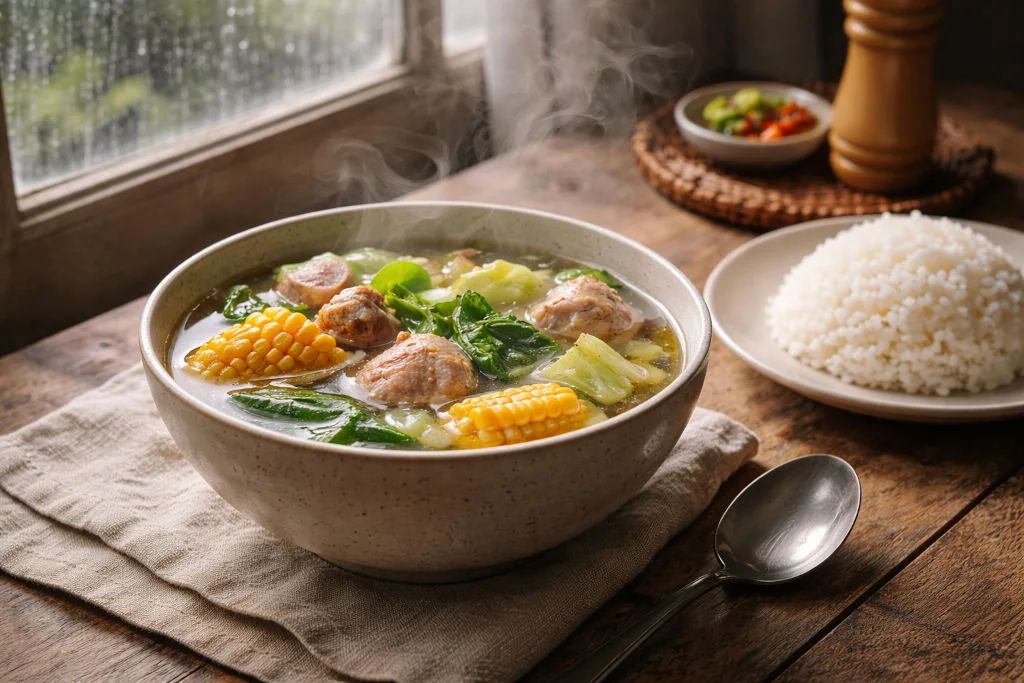
You do not need a special occasion. This weekend, buy 500 g of ribs and one white radish at the market, spend about an hour at home, and you will have a pot of soup the whole family enjoys. Start with the simplest recipe – white radish and pork rib soup – and once you know the heat and the salt level by feel, move on to lotus root trotters, yam chicken, and white fungus pear soup. Before long you will know your household’s favorite by heart.
This week’s action step is simple: pick one of the four soups and cook it exactly by the amounts above. Note the heat and salt level as you go, so next time you can adjust with confidence. Serve it with a plate of greens and a bowl of rice, and you have a warm, solid autumn and winter dinner.
Quick Answers
Which soup should I try first? White radish and pork rib soup. It is the simplest, the most forgiving, and the easiest way to learn heat control and seasoning.
How long should each soup simmer? Ribs and chicken: 40 to 60 minutes. Trotters: about 1.5 hours. White fungus: 40 minutes before adding the pear, then 20 minutes more. When in doubt, use the chopstick test.
Can I make soup ahead of time? Yes, but finish refrigerated soup within 1 day and frozen soup within 3 to 5 days. Reheat no more than twice, always to a full boil.
What if I have diabetes or high blood lipids? Choose the white fungus pear soup without added sugar, or skim the fat from rich soups like the trotter soup. For any ongoing condition, check with your doctor or dietitian before making a soup part of your routine.
Why does my soup taste bland? Usually one of three reasons: not enough simmering time, too much water for the ingredients, or seasoning added too early. Keep the water amounts in the recipes, simmer fully, and salt near the end.
Disclaimer: This article provides general dietary information only and is not medical advice. It does not promise any health effect. People with special conditions, chronic illnesses, or specific dietary restrictions should consult a doctor or dietitian before following these recipes.