It’s 7 a.m. and your alarm has gone off for the third time. You are still curled under the blanket, reluctant to move. Your hands and feet are cold even though you are wearing two sweaters, a glass of cold water sends you straight to the bathroom, and by 3 p.m. your eyelids are too heavy to keep open. If this sounds familiar, the problem may not be willpower. In traditional Chinese medicine (TCM), this pattern has a name: yang deficiency — and autumn and winter are when it shows up most.
Yang deficiency does not mean an organ is broken. Think of it as the body’s inner fire burning too low: with less heat, warmth never quite reaches your hands and feet, and digestion runs a beat behind. The good news is that warming yourself back up does not require heroic tonics. It comes from small, steady habits that bank a little heat every day. Follow the three tracks below — food, daily routines, and gentle movement — and within two to three weeks most people notice their hands and feet are not quite so cold.

First, Check: Is It Really Yang Deficiency?
Plenty of people feel cold, but not everyone has yang deficiency. Count how many of these fit you. Four or more, and the rest of this guide is written for you:
- Noticeably cold-sensitive: when others wear one jacket, you need two — and the wind still seems to cut straight to the bone, especially in your lower back and knees.
- Hands and feet cold year-round: your hands feel cool even in an air-conditioned room in summer, and at night your feet take half an hour under the blanket to warm up.
- Prone to loose stools: a cold salad, an iced drink, or one night under the air conditioner, and the next day you are running to the bathroom — loose, unformed stools, two or three times a day.
- Tired and sleepy despite enough sleep: eight hours in bed and you are still drowsy, your voice feels low and flat, and three flights of stairs leave you winded.
- Frequent, pale urination — especially at night: two or three trips to the bathroom each night, light-colored urine, worse in winter than in summer.
If only two or three items fit and the symptoms are mild, you may simply be chilled or overtired; better sleep and warmer food will usually sort it out. But if you see blood in your stool, lose more than five kilograms in a month, or feel a racing or tight chest along with the cold, do not try to tough it out — get checked by a doctor first.
Eat Warm: Three Meals That Put Heat Back In
For a yang-deficient body, the cardinal rule of autumn and winter eating is simple: hot, soft, and no raw cold food.
Breakfast is the key window for warming up. Try ginger and red date congee: 50 grams of rice, five red dates (jujubes — a sweet, dried fruit used in Chinese cooking for nourishing blood and energy), and three slices of fresh ginger, simmered for 40 minutes, with a small spoonful of brown sugar stirred in at the end. Ginger disperses cold, red dates support energy and blood, and within ten minutes of a hot bowl, your palms may start to feel warm. If congee feels like too much work, a bowl of hot lamb noodle soup or egg and greens noodles does the same job — the point is “hot” and “freshly cooked.”
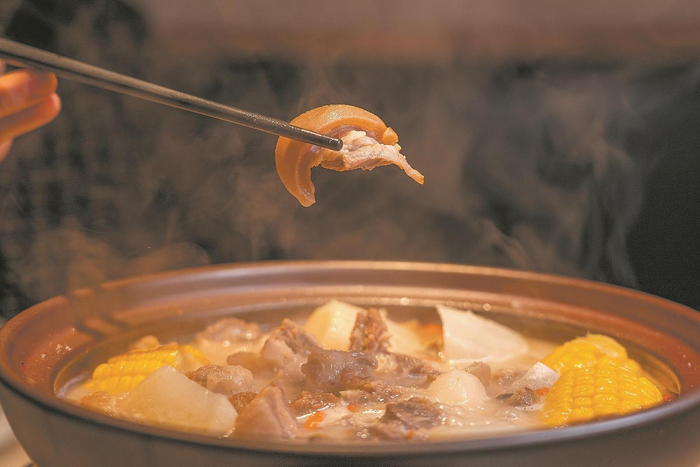
For lunch and dinner, lean on warming ingredients: lamb, beef, chicken, chives, walnuts, chestnuts, ginger, and Sichuan pepper. Lamb stewed with radish two or three times a week — about 150 grams per serving — with a side of stir-fried chives and eggs is a solid autumn-winter staple. Cut back on the cold stuff: cold salads, iced drinks, and fruit straight out of the fridge. If you crave fruit, steam a pear or stew an apple; it is far kinder to a cold-prone stomach than biting into something chilled.
One common trap to avoid: yang deficiency is not a license to take strong tonics without limit. Potent herbs like ginseng and deer antler can cause nosebleeds and restlessness if they do not match your constitution. Everyday food is enough for daily care; herbal tonics belong after a proper diagnosis by a qualified practitioner.
Daily Details: Seal the Gaps Where Cold Sneaks In
Staying warm is not just about one more layer. It is about plugging the spots where cold gets in most easily:
- Protect your waist, belly, and ankles. In TCM the waist is home to the kidneys, the organ system tied to the body’s core warmth, and the ankles are a classic entry point for cold. Wear high-waisted trousers in autumn and winter, pair skirts with over-the-knee socks, and put away the cropped trousers that bare your ankles.
- Soak your feet for 20 minutes each evening. Water around 40°C (104°F), deep enough to cover your calves, until you break a light sweat. A small handful of mugwort leaves (ai ye, a warming herb used in foot soaks) or a few slices of ginger makes it more effective. Dry your feet immediately and put socks on — never walk barefoot on a cold floor afterward.
- Be in bed before 11 p.m. In TCM theory, yang energy gathers and restores itself at night; staying up late spends the very warmth you banked during the day. Switch off your phone an hour before bed and keep the bedroom at 18–22°C.
- Get 20 minutes of sun. Late morning (around 10 a.m.) or mid-afternoon (around 3 p.m.), let the sun fall on your back and the top of your head. It is the cheapest warming remedy there is. Even on cloudy days, step outside — scattered light still counts.
Bathing deserves a note too: keep the water at 38–40°C and limit showers to 10–15 minutes, then dry your hair fully before leaving the bathroom. Many cold-prone people catch a chill right after a shower and wake up with diarrhea the next day — this is usually where it starts.
Move Gently: A Light Sweat Beats a Soaking One
Exercise has a limit for yang-deficient bodies: a light sheen of sweat is ideal, while sweating buckets actually drains warmth. Running until you are soaked through, or persisting with winter swimming, is more depletion than benefit here.
Pick one of these three gentle practices a day, for about 30 minutes:
- Brisk walking: 110–120 steps per minute, until your forehead is lightly damp and your heartbeat is slightly raised — but you can still talk normally. Wait at least half an hour after a meal before heading out.
- Baduanjin (Eight Brocades): a classic Chinese qigong routine — a set of eight slow, flowing movements — that takes about 15 minutes. Two movements are especially friendly for cold, weak digestion: “Holding Up the Sky to Regulate the Triple Burner” and “Single Lift to Regulate the Spleen and Stomach.” (The Triple Burner, or sanjiao, is a TCM concept for the body’s three energy zones: upper, middle, and lower torso.)
- Cloud Hands from Tai Chi: slow, small, circular arm movements, gentle on cold knees and stiff joints — and you can practice them in your living room.
Time your practice for 9–11 a.m. or 3–5 p.m., when yang energy is traditionally considered strongest. After 9 p.m., stick to stretching and foot soaks; intense exercise late in the evening will only make sleep harder.
A Two-Week Plan You Can Copy
Here is the whole guide boiled down to a fridge-door checklist:
- Every day: one hot breakfast, 20 minutes of sun, a 20-minute foot soak, and bed before 11 p.m.
- Three times a week: one serving of lamb or beef, and 30 minutes of brisk walking or Baduanjin.
- Every day, avoid: iced drinks, cold salads, bare ankles, and staying up past midnight.
- Once a week, review: Are my hands and feet less cold? How many times did I get up at night? Are my stools more formed? Three lines in a notebook — after two weeks, the trend is visible.
Warming a yang-deficient body is slow work, but when the direction is right, you feel it. Most people notice less icy hands and feet within two weeks; after about a month, loose stools ease and the afternoon slump softens. If two weeks pass with no change at all, or symptoms get worse, your pattern may be misjudged — see a TCM practitioner in person to adjust the plan rather than pushing on.
Quick Answers
Can I eat fruit in winter? Yes, but warm it up: steamed pears, stewed apples, or fruit at room temperature. Skip anything iced or straight from the fridge.
Is coffee bad for yang deficiency? Not forbidden, but keep it hot, modest, and never on an empty stomach. Iced coffee is the worst of both worlds — cold and stimulating.
How long before I feel warmer? Hands and feet usually improve first, within two weeks. Digestion and energy take closer to a month. Anyone promising an overnight fix is selling something.
Do I need supplements or herbs? Not to start. Food, sleep, sun, and gentle movement carry most of the effect. Add herbs only after a qualified practitioner has assessed your constitution.
What if I am cold but also get mouth ulcers? That mixed picture — cold limbs plus heat signs like ulcers or a sore throat — is common and tricky. Do not self-prescribe warming tonics; get a proper diagnosis first.
The honest truth about constitution care is that it rewards consistency, not intensity. It is not about one lavish tonic meal; it is about weeks of small habits done steadily. Keep the hot congee, the foot soak, and the early bedtime in place, and this winter you will not need three sweaters to get through the day.
Disclaimer: This article is for general everyday wellness reference only. It does not promise any therapeutic effect and is not a substitute for medical diagnosis or treatment. If symptoms are severe or persistent — such as ongoing diarrhea, significant weight loss, or coldness accompanied by palpitations or chest tightness — please consult a qualified healthcare professional promptly.