Three days after his father passed away, Lao Zhang and his sister walked into a cemetery for the first time. The salesperson pointed at a plot and said it had “the best energy flow.” The siblings looked at each other blankly: what exactly should you look at when choosing a burial plot? This guide breaks the decision down into six practical points, so you can walk in with a checklist instead of a guess.
In Chinese tradition, a burial site is called “yin zhai” (yin residence) — the resting place of the deceased, as opposed to “yang zhai,” the home of the living. Much of the traditional advice about yin zhai comes from feng shui, the classical Chinese practice of reading landscapes for harmony between people and place. The tips below keep the cultural ideas where they belong and translate the rest into plain, checkable facts: paperwork, drainage, sunlight, access, price, and family planning.
1. Check the Legal Status First, Before Anything Else
This is the point most easily swept aside by grief — and the one with the worst consequences if you get it wrong. In China, a commercial cemetery must be approved by the civil affairs authorities. Before you pay anything, ask the operator to show its approval documents and business license, then verify them through the local civil affairs department’s public channels.
Be especially careful with places marketed under pretty names like “eco burial forest” or “family woodland.” They may sound peaceful, but some of them have no cemetery license at all. If the site is later shut down, the cost and trouble of relocating the grave fall entirely on the family.
Read the contract line by line, too. How many years does the plot’s usage right cover? Is the renewal fee written into the contract, or left vague? Is the management fee paid annually or in one 20-year lump sum? What are the conditions for moving or giving up a plot? A verbal promise, however warm, counts for nothing if it is not on paper. One family discovered this the hard way: because their contract said nothing about fee increases, their annual management fee doubled after ten years, and they had no choice but to pay.
2. Terrain and Drainage: Rainy Days Tell the Truth
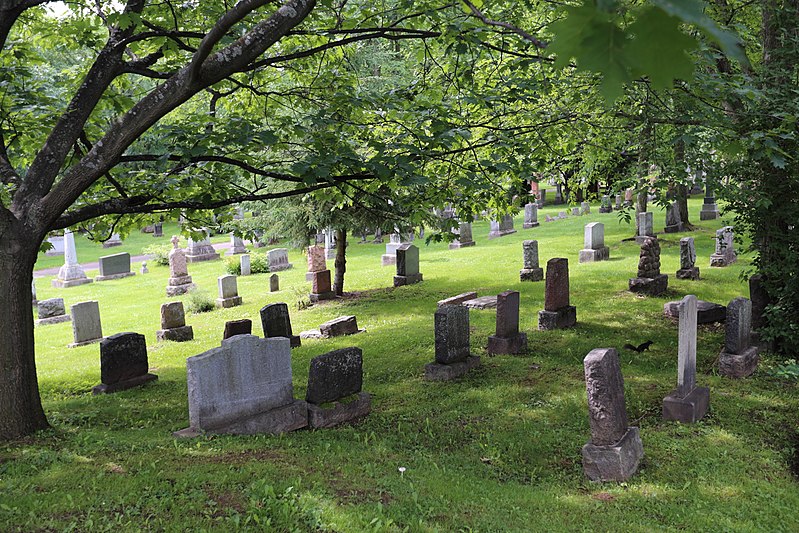
Traditional feng shui advice talks about “hiding from the wind and gathering energy.” In practical terms, the first thing that means is terrain. Choose the middle-to-upper part of a slope: rainwater drains away naturally, and the spot is not exposed to the worst of the wind. A low-lying plot may look flat and easy to walk on, but after three days of rain in the southern rainy season, water can pool over the grave base, the tombstone sits in standing water, moss creeps across the stone, and there is nowhere dry to stand during a visit.
The practical test is simple: visit once on a sunny day, then go back on a rainy day. On the rainy visit, check three things: is there standing water in front of the plot, are the drainage channels clear, and is the path muddy or slippery? Sales staff usually only schedule sunny-day viewings. If you ask for a rainy-day revisit, they will know you are doing your homework.

3. Orientation and Sunlight: Tradition Meets Daily Reality
Tradition usually favors a south-facing plot with a solid backing behind it and open ground in front. From a practical standpoint, what orientation really affects is sunlight and dryness. A plot that catches the morning sun dries quickly, so the stone stays clean and moss has a harder time taking hold. A plot tucked in a permanently shaded corner stays damp, and the stonework weathers faster.
Also watch the trees. A large tree over the plot gives welcome shade on a hot summer visit, but in autumn its fallen leaves will plaster the stone, and its roots can eventually crack the grave base. Leave two to three meters of open ground in front of the plot as well: room to set out offerings, to stand comfortably, and for a whole extended family — a dozen people at Qingming Festival, the traditional tomb-sweeping day in spring — to gather without stepping on each other’s feet.
4. Transport and Management: You Will Be Coming Back for Decades
A burial plot is not a one-time purchase. For decades to come, family members will return again and again. Before you buy, do the time math: how long is the drive from home? During peak periods like Qingming Festival or the winter solstice, will that drive stretch into two or three hours of traffic? Does the cemetery run a shuttle bus? Can elderly relatives manage the walk from the parking lot to the plot? Keeping the drive under an hour means family members visit more often, and the plot is less likely to fall into neglect.
Management quality deserves the same on-the-ground check. Is the landscaping actually maintained? Are tombstones cleaned regularly? Are security and cameras in place? Ask exactly what the annual management fee covers, and how long the cemetery has been operating — a park that has run for twenty years usually has more stable routines than one that just opened.
5. Price: Break Every Fee Apart
Plot prices range from a few thousand yuan to well over a hundred thousand, with the gap driven mostly by location, size, and stone. The key is to ask for the price broken down: plot fee, engraving fee, burial service fee, and management fee, each separately. Watch for bundled high-priced stone or “package deals.” A so-called bargain plot often turns out cheap on the plot itself and expensive on everything after, making the total higher than a straightforward option. Get quotes for two or three different locations in the same cemetery, and you will quickly have a sense of the real price anchor.
6. Joint Burial and Family Plots: Reserve Early
Joint burial for a married couple is a real need for many families, so ask before you buy: can this plot type hold two people, what are the dimensions of a double plot, and what does adding a second name cost? If siblings want adjacent plots, ask in the same visit whether neighboring plots can be reserved and whether a deposit is required. Wait until the second parent passes away to look for a neighboring spot, and it will very likely already be sold.

Quick Answers
What is the single most important check? Legal status. An unlicensed site can cost you the plot itself; everything else is fixable or negotiable.
Should I really visit twice? Yes — once in sunshine and once in rain. Drainage problems only show themselves when it rains, and sales tours are almost always scheduled for fine weather.
How far from home is too far? As a rule of thumb, keep the drive under an hour. Distance is the main reason families stop visiting, and an unvisited plot deteriorates fast.
Is a cheap plot a good deal? Only after you have seen the full breakdown. The plot fee is often the smallest part of the lifetime cost; management and service fees decide the real total.
When should I ask about joint burial? At the first purchase, not later. Adjacent and double plots sell out, and you cannot create one after the fact.
What to Ask on the Visit: A Ready-Made Checklist
Walking into a cemetery without a list means relying on whatever the salesperson chooses to mention. Bring these questions, and ask the same ones at every site so you can compare answers side by side.
- License: Can you show the civil affairs approval document and business license? Can I verify them independently?
- Usage period: How many years does the plot right last, and what exactly does renewal cost?
- Fees: What is included in the management fee, and how often has it risen in the past ten years?
- Drainage: Where does rainwater go on this slope, and may I come back on a rainy day to see for myself?
- Sunlight: How many hours of direct sun does this plot get, and in which season?
- Access: How long is the drive from home in peak holiday traffic, and is there a shuttle for elderly visitors?
- Maintenance: Who trims the landscaping, who cleans the stones, and how often?
- Joint burial: Can this plot hold two people, what are the dimensions, and what does adding a second name cost?
- Reservations: Can adjacent plots be held for siblings, and is a deposit required?
- Exit terms: If plans change, what are the conditions and costs for moving or giving up the plot?
Write the answers down at each site. After two or three visits, the differences between operators become obvious: one will answer everything directly, another will dodge the fee questions. That difference is itself useful information. It tells you how the relationship will feel twenty years from now, when you are no longer a buyer but a family relying on their service.
One more practical note: bring a family member with you, ideally someone less emotionally involved in the immediate loss. Grief narrows attention, and a second pair of eyes catches the drainage ditch you missed or the fee clause buried in page four of the contract. Decisions made together, slowly, are the ones families rarely regret.
Take a Checklist With You
The six points come down to this: legal license, drainage and terrain, orientation and sunlight, transport and management, itemized price, and joint-burial reservations. A sensible sequence is: shortlist two or three licensed cemeteries online, visit each once in sunshine and once in rain, ask the same list of questions at every site, and sleep on it for a night before signing. Grief makes it easy to be rushed along by a sales pitch. Taking one extra day to decide usually matters more than saving a few thousand yuan.
Disclaimer: This article introduces traditional Chinese cultural beliefs about burial site selection alongside modern practical considerations. It is for cultural reference only and does not predict or promise anything about fortune or fate.