On the winter solstice, the Northern Hemisphere gets its shortest day and longest night. Yet in that darkest of days, the ancients saw hope — “at the winter solstice, one yang is born.” What does it mean? Today: three thousand years of wisdom behind that saying, and what the solstice really teaches about turning your luck around. You’ll discover that the ancients’ “luck change” and modern self-care are the same thing wearing different clothes.
One Yang Is Born: At Rock Bottom, Luck Sprouts
“One yang is born” comes from the Fu — Return — hexagram of the I Ching, the classic Chinese Book of Changes. The ancients drew twelve hexagrams for the twelve months using yin and yang lines; the solstice maps to Fu: one yang line at the bottom, five yin lines stacked above. One yang below — all things begin to return.
In plain language: when yin peaks, it must turn toward yang’s growth. Like midnight — darkest at 12, but past 12 the sky starts heading toward light. The solstice is the year’s “midnight”: coldest, darkest, yet yang is already quietly sprouting underneath.
So the ancients treated the solstice as enormous — even calling it “Ya Sui,” the “lesser new year.” In the Han dynasty, officials got the day off and went home to reunite with family; in Tang and Song times, solstice sacrifices to heaven and ancestors rivaled New Year rites in grandeur. This mindset — seeing the turn inside the darkest moment — is a uniquely Chinese philosophy of time.

Solstice Folkways: Eat, Honor, Count the Nines
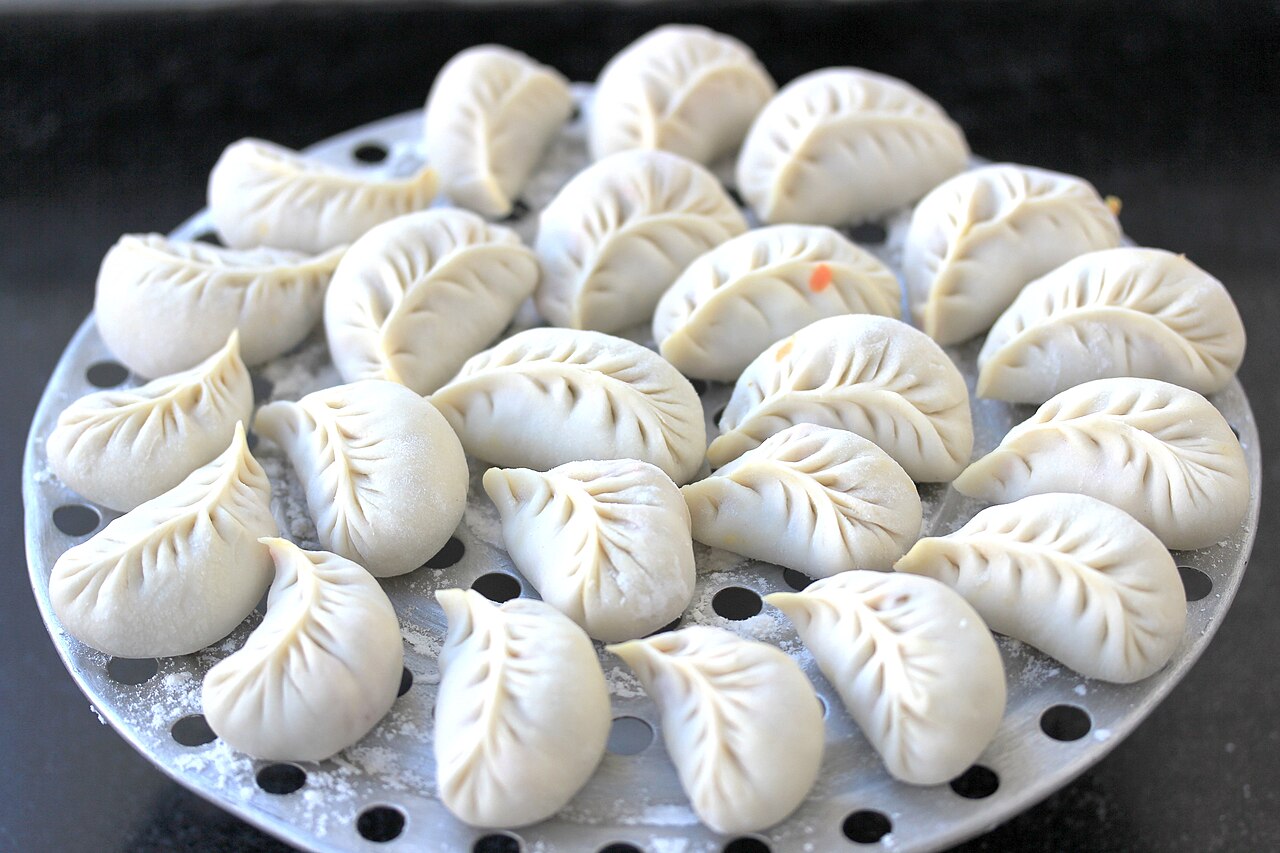
Eating is the solstice’s biggest theme. The north eats dumplings — legend says the sage physician Zhang Zhongjing fed frostbitten villagers “tender ears” (mutton-and-chili dough pockets); posterity eats dumplings on the solstice in his memory, with the saying “skip dumplings at the solstice and nobody cares if your ears freeze off.” The south eats tangyuan — glutinous rice balls — for reunion. North and south: both taste like home.
Honoring is the solemn side. Imperial courts sacrificed to heaven at the Circular Mound altar; common folk honored ancestors, even sweeping tombs. Guangdong and Fujian still keep solstice ancestor rites today — three offerings, burnt paper money, a scene rivaling the Qingming tomb-sweeping festival. The traditional view: the solstice is when yin and yang trade places, and honoring ancestors “bridges yin and yang,” blessing the clan’s coming year.
Counting the nines is the solstice’s timekeeping game. From the solstice you “count nines” — nine days per nine, eighty-one days until spring arrives. “First nine, second nine, keep your hands in your sleeves; third nine, fourth nine, walk on ice” — nearly every Chinese person can recite the Nine-Nines Song. It chops the hardest winter into nine segments; each one passed is one step closer to spring — the ancients’ psychological wisdom against long winters. Some places paint “nine-nine winter-fading charts,” one stroke a day; when the painting is done, winter is done.
What the Ancients Actually Did on the Solstice: Store
The Huangdi Neijing — the Yellow Emperor’s Inner Classic, the founding text of Chinese medicine — gives winter one core word: store. “The three months of winter are called closing and storing; water freezes, earth cracks — do not disturb the yang.” Live like a hibernating animal: keep your yang tucked away, don’t thrash around.
On solstice day specifically, this is what the ancients did:
- Sleep early, rise late: follow the sun — bed when it’s dark, up when it’s light; stretch sleep to its longest
- Rest more, move less: pause the sweat-drenched workouts; walks, sitting meditation, and standing practice suit the season better
- Eat restoratively: “tonify at the solstice, and you’ll fight tigers in spring.” Mutton, goji berries, red dates, longan — solstice-table regulars
- Sunbathe: at midday when yang peaks, sun your back — the old “basking to replenish yang”
Notice something? The ancients’ solstice “luck-changing method” is really a deep-rest manual. No mystic rites — just a lifestyle aligned with the season.
Solstice vs. Spring Festival: Which Is the Real New Year?
Here’s the interesting part: for a long stretch of history, the solstice looked more like “the year” than Spring Festival did. Han officials took solstice leave, with court congratulations rivaling New Year audiences. Folk sayings hold that “the solstice is as big as the new year” — and in many regions the solstice family feast matches the New Year’s Eve dinner in extravagance.
Why? Because the solstice is day one of yang’s recount — the new year by heaven’s clock, while the first lunar month is the new year by the calendar. One runs the almanac; the other runs yin and yang. Chaozhou in Guangdong still calls it the “lesser new year,” and the grandeur of solstice ancestor rites there astonishes northerners — living fossils of the “Ya Sui” tradition.
So give yourself some “new year” ceremony on the solstice: a good meal with family, a call to your parents, a tidy-up of the house. The new “yang” starts counting from this day.
5 Things You Can Do Today
- Sleep an hour earlier tonight. The year’s longest night — ride it. Phone down, bed by 10:30. The most direct gift you can give your body.
- Eat something hot. Dumplings or tangyuan — hot and nourishing. Ritual itself heals: “I treated myself well.”
- Get 20 minutes of sun. Days only lengthen from here; step out at midday. Sunlight is the cheapest antidepressant — science and tradition agree on this one.
- Tidy one room. The big cleanups cluster near New Year, but the solstice can start it. Toss what you haven’t used all year — physical clarity transmits straight to the mind.
- Write down New Year wishes. One yang born, all things returning. Goals written now get a full year to grow. Keep it to three — more equals none. Stick them where you’ll see them daily, and let the wishes winter with you.
“At the solstice, one yang is born” was never superstition — it’s a philosophy of time: the darkest night always passes; the coldest winter always ends. The ancients turned that belief into a whole ritual system of hexagrams, nine-counts, and lesser new years. You don’t need heaven-sacrifices today — just an earlier bedtime, a hot meal, some sun. Do “storing” well, and come spring your yang will be strong. Bookmark this piece; pull it out on the solstice and do it item by item. You’ll find that “changing luck” is just another name for living deliberately.
The Whole World Celebrates the Return of Light
China isn’t the only culture that treats the longest night as the turning point. The Norse had Yule — feasting through the dark with the promise that the sun was coming back. The Romans had Saturnalia, a week of role-reversals and candles in mid-December. The instinct is universal: when the dark peaks, humans throw a party to say it turns now.
What makes the Chinese version distinctive is that it became a philosophy of time rather than just a festival. Yule and Saturnalia were celebrations; “one yang is born” is a worldview — the idea that decline and renewal are one continuous motion, that rock bottom is structurally part of the climb. The solstice isn’t cheering against the dark; it’s reading the dark correctly.
Quick Answers
Is the solstice always December 21 or 22? Almost — it drifts between the 21st and 23rd depending on the year. The traditional calendar doesn’t care about the Gregorian date anyway: the solstice is defined astronomically, as the moment the sun reaches its southernmost point. The “five things” in this guide work on any of those days.
I’m in the Southern Hemisphere — does any of this apply? The astronomy flips: your longest night falls in June. The philosophy doesn’t flip at all — “one yang is born” is about the turning point, whichever month it lands in. Run the same five things on your own winter solstice; the “storing” advice suits a southern June just as well.
中文版:冬至一阳生:节气改运法