Autumn arrives, and your feed fills with the same ritual: friends posting their tonic soups, mutton stews, and glossy black cubes of donkey-hide gelatin. Serious money changes hands. Come December, some of those friends are glowing — and others have broken out in acne, developed mouth ulcers, and can’t have a normal bowel movement to save their lives. The difference isn’t what they took. It’s the order they took it in.
In Traditional Chinese Medicine, “tonifying through autumn and winter” (秋冬进补, qiū dōng jìn bǔ) is a three-month process, not a single heroic feast. The logic is seasonal: as nature contracts and stores, the human body is thought to do the same — making autumn and winter the best window to rebuild what summer depleted. Get the sequence right, and the whole winter gets easier. Get it wrong, and you’re just expensive kindling for internal heat.
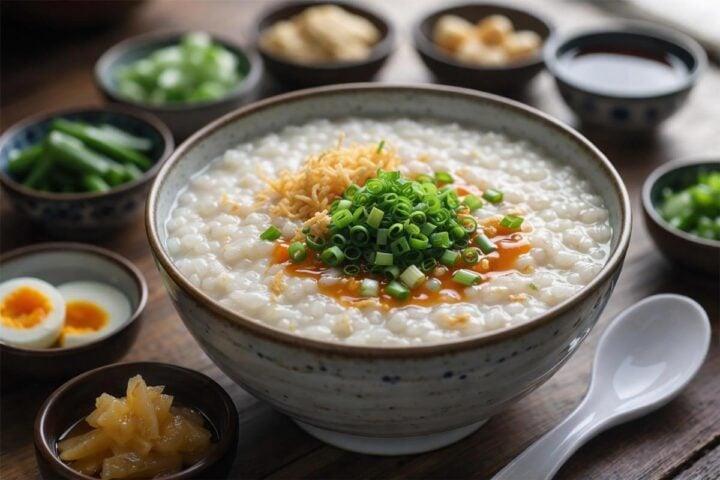
Step 1: Clean Up the Spleen and Stomach First
Three months of summer — air conditioning blasting, iced drinks, midnight barbecue — leave most people’s digestive systems carrying a backlog of dampness and half-processed food. In TCM, the 脾胃 (pí wèi, literally “spleen-stomach”) is the body’s digestive headquarters: everything you eat must pass through it before it becomes usable energy. Throwing mutton and gelatin tonics at a congested spleen-stomach is like pouring premium oil down a clogged drain. Nothing gets absorbed, and you’ve just added to the blockage.
So for the first week of the tonifying season, don’t touch anything labeled a “tonic.” Eat “clearing” foods instead: Chinese yam (shān yào), millet, pumpkin, lotus seeds. Swap your breakfast for yam and millet porridge, seven days straight. It’s deliberately boring — and that’s the point. Plenty of people report that this single step restores their appetite and firms up their digestion within the week.
During these seven days, put three things on pause: iced drinks, deep-fried food, and late-night barbecue runs. The spleen-stomach likes warmth, simplicity, and routine the way a tired office worker likes a quiet Friday. Give it one week of calm, and it hands you back a digestive system that can actually absorb what you feed it.
Step 2: Match the Tonic to Your Constitution — Never Copy Your Friend
The cardinal sin of tonifying is “she takes it, so I take it.” Two people can eat the same “healthy” tonic and get opposite results, because their starting constitutions differ. Spend one minute sorting yourself into a camp:
- The always-cold type: icy hands and feet all year round; no amount of layering fixes your winter. You want warming tonics: mutton soup, fresh ginger, angelica root (当归, dāng guī). Mutton once or twice a week is plenty — stew it with white radish, which cuts the gaminess and keeps the richness from tipping into “excess heat” (上火, shàng huǒ — the TCM term for that wired, breakout-prone, mouth-ulcer feeling of overheating from the inside).
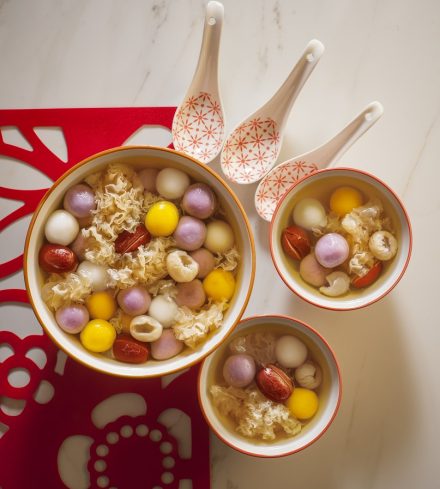
- The always-hot type: one hotpot and your face erupts; dry mouth, hot palms, restless sleep. You want moistening, cooling foods: white fungus (银耳, yín ěr), lily bulbs, pears, duck meat. White fungus soup two or three times a week suits you far better than donkey-hide gelatin ever will.
- The puffy-damp type: you gain weight drinking water; thick greasy tongue coating; groggy every morning no matter how long you slept. Don’t tonify yet — drain dampness first: Job’s tears (薏米, yì mǐ), adzuki beans, winter melon. Once the dampness lifts, the puffiness goes with it, and only then will tonics actually land.
Not sure which camp you’re in? Remember one iron rule: check in with your body the morning after. Breakouts, constipation, mouth ulcers, a heavy head — that’s your body telling you the tonic was too much or the wrong kind. Pause for three days, then reassess. Your body is the most honest feedback form you’ll ever fill in.
Step 3: Tonics Are 30% — The Other 70% Is How You Live
Most people bet everything on eating. But eating is only thirty percent of the equation. The other seventy comes down to three unglamorous habits:
Sleep well. Autumn and winter bring long nights, and your body wants to follow nature’s lead — in bed early. In TCM’s body clock, the hours before midnight belong to the gallbladder and liver meridians’ repair shift; that’s when qi and blood are thought to rebuild. Stay up till 1 AM scrolling, and even the priciest tonic paste is money down the drain.
Get sun. Every morning between 9 and 10, give your back 20 minutes of sunlight. TCM calls it “gathering yang” (采阳); modern medicine calls it vitamin D synthesis. Different vocabulary, same prescription. Cold-type people who stick with it for two weeks usually notice their hands and feet warming up — it’s one of the cheapest interventions in all of wellness.
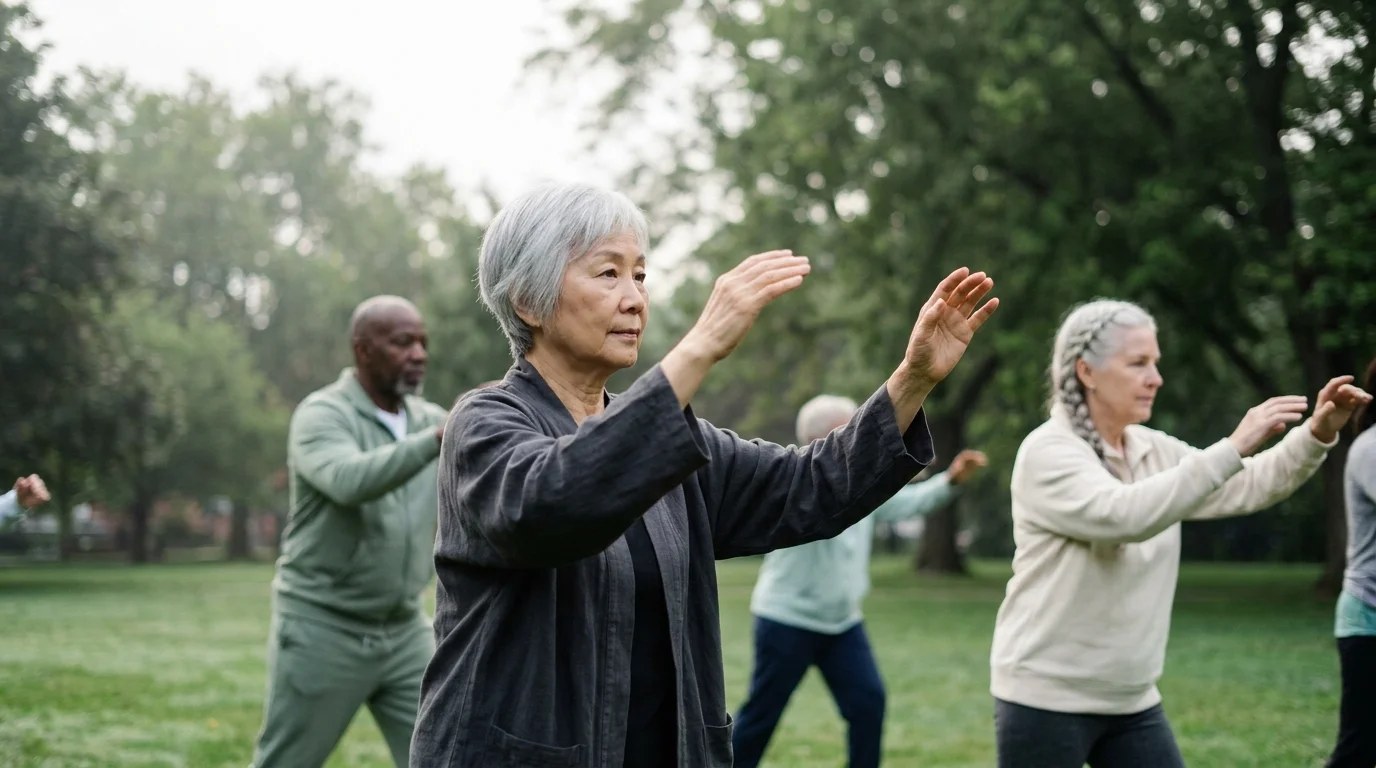
Move gently. Autumn and winter are not the season for drenching, high-intensity workouts that leave you gasping in cold air. Baduanjin, brisk walking, tai chi — the “light-sweat” zone is exactly right. Three to four times a week, 30 minutes a session. The goal is circulation, not exhaustion.
Three Traps Everyone Falls Into
Trap 1: “Donkey-hide gelatin suits everyone.” Ejiao (阿胶) is rich, sticky, and cloying by nature. People with weak digestion or heavy dampness don’t get nourished by it — they get bloated. Fix the spleen-stomach (Step 1) before you even consider it, and even then, small doses.
Trap 2: “Pricier means better.” Ginseng, deer antler, sea cucumber — impressive on a gift receipt, unnecessary for most ordinary people. A bowl of millet porridge and a knob of fresh ginger, eaten consistently, outperform plenty of “premium tonics” that sit in the cupboard until they expire.
Trap 3: “One big dose fixes everything.” Tonifying is a three-month project, not a one-week project. A slow, steady rhythm — warming meals two or three times a week for months — beats a single blowout feast ten times over. Consistency is the active ingredient.
Your Autumn-Winter Tonifying Calendar
Tonifying has a rhythm. In China, it follows the 24 solar terms (节气) — the traditional farming calendar that divides the year by the sun’s position. Follow it and the timing takes care of itself:
- Start of Autumn to End of Heat (August): don’t tonify yet — focus on clearing. Eat melons and seasonal fruit, drink mung bean soup, flush out the summer dampness. Heavy tonics now are fuel on a fire.
- White Dew to Cold Dew (September–October): start “level tonifying” (平补) — gentle, neutral foods. Rotate yam, lotus seeds, and white fungus. These two months build the digestive foundation; everything after depends on it.
- Frost’s Descent to Winter Solstice (October–December): prime time for warming tonics. Mutton, beef, and chicken soup can come out — two or three times a week, always with plenty of vegetables alongside so the richness doesn’t tip into excess heat.
- Winter Solstice to Start of Spring (December–February): the “sealing and storing” (封藏) phase. Eat well, but sleep even better; cut hard workouts and late nights so the nutrition actually stays in the body instead of being burned off.
Stick this calendar on your fridge and just follow it. The real enemy of tonifying isn’t doing it wrong — it’s the boom-and-bust cycle: one heroic feast when you remember, then three months of nothing. Slow and steady is the only real method here.
One last rule, and it’s non-negotiable: when you catch a cold, run a fever, or have acute stomach trouble, pause all tonifying until you’re fully recovered. Tonifying while sick is delivering supplies to the enemy.
To sum up: clear the spleen-stomach first, match the tonic to your constitution, then let sleep, sun, and gentle movement lock in everything you’ve taken. Starting tomorrow morning, swap breakfast for yam and millet porridge — that’s the best possible first step into the tonifying season.
For general wellness information only — not medical advice. If you feel unwell, consult a qualified professional.
中文版:秋冬进补三步走