6:30 in the morning, and the alarm has gone off for the third time. Outside the blanket, the room feels like an icebox. Your first instinct is to throw the covers off and sit bolt upright — and then the room goes dark for a second, your heart hammers, and it takes a while to feel steady again. Those first thirty minutes of a winter morning quietly set the tone for the whole day: get up too fast and your blood vessels take the hit, drink the wrong water and your stomach complains, exercise too early and you end up more tired, not less. This guide walks through the three things that matter — getting up, drinking water, and morning exercise — so you know exactly what a winter morning should look like.
Getting Up: Slow Down in Three Steps
On a winter night, your body temperature drops by about 0.5 to 1 degree Celsius while you sleep. Your heart rate slows, and your blood pressure sits at its lowest point of the day. When you wake, your body has not yet switched out of “night mode.” Sit up suddenly and the blood rushes down to your legs, the brain gets a brief shortfall of supply, and that is exactly where the dizziness and the black spots in front of your eyes come from.
The safer way is to slow down in three steps. First, lie in bed for a minute or two after waking, stretching your arms and flexing your ankles. Then sit up slowly and stay sitting on the edge of the bed for another minute or two, feet on the floor, letting your body adjust to the temperature. Only then stand up and get dressed. The whole sequence takes three to five minutes, and it lets your blood pressure make a smooth transition instead of a sudden jump.
The order you dress in matters too. Winter brings a big temperature gap between indoors and outdoors, so put on a jacket before you leave the bedroom — do not walk around in a single thin layer to open windows and doors. The neck is especially sensitive to cold: put on a scarf or a high-neck sweater first. Many people’s morning headaches are really caused by a chilled neck tightening the blood vessels. The same goes for your feet — do not step barefoot onto a cold floor. Keep a pair of cotton slippers by the bed and put them on the moment you get up.
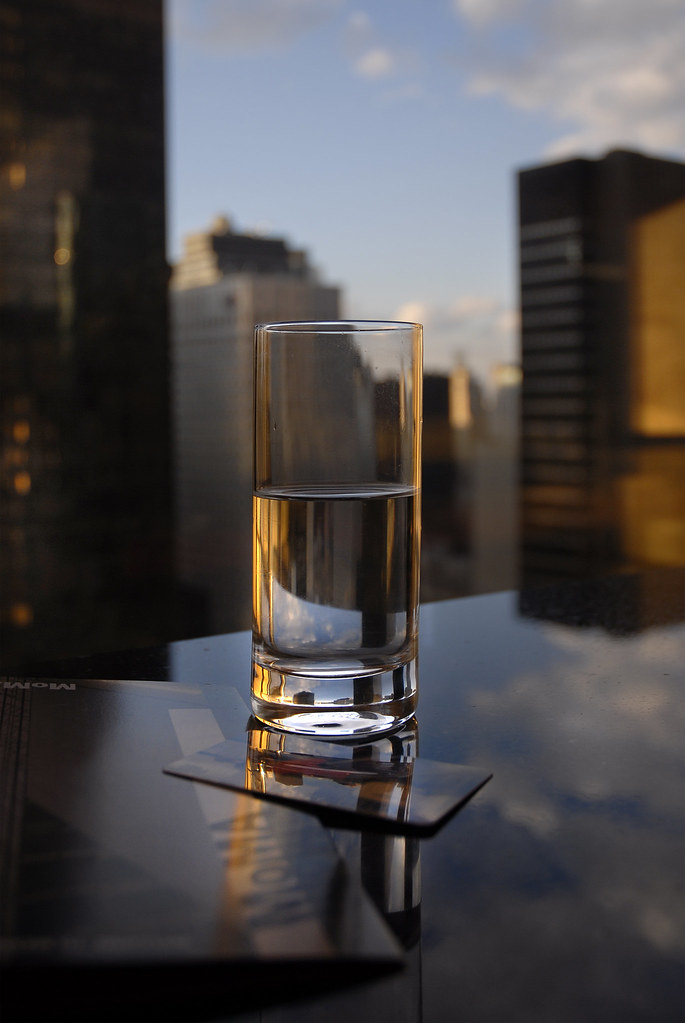
Drinking Water: The First Glass Should Be Warm, Slow, and Small
Over a night of sleep, breathing and sweating cost the body roughly 300 to 500 milliliters of water. The blood becomes slightly thicker, which is one reason cardiovascular events cluster in the early morning. A glass of water after getting up is the simplest and most useful winter morning habit — but done wrong, it loses much of its benefit.
Aim for water at 35 to 40 degrees Celsius — warm enough to feel through the cup, but not hot on the tongue. Water that is too cold irritates the stomach and intestines, and in winter, when digestion is already weaker, it can trigger stomach cramps. Water that is too hot irritates the lining of the esophagus, and making a habit of it is not a good idea. Fill a thermos the night before, and the warm water is waiting for you the moment you wake, with no time wasted boiling the kettle.
Keep the amount to 200 to 300 milliliters — about one ordinary glass. Do not gulp down 500 milliliters or more in one go. A large volume of water in a short time adds load to the heart and kidneys and dilutes the gastric juices, which hurts breakfast digestion. Sip slowly and finish in three to five minutes.
As for what to drink, plain water is the best choice. Light salt water, honey water, and lemon water all have their advocates, but for most people plain water is the gentlest and the least burden. If you have poor kidney function, or a doctor has told you to limit fluids, follow your doctor’s advice on how much to drink in the morning rather than copying a general recommendation.
Do not rush into breakfast right after the water. Wait 15 to 20 minutes to give your stomach and intestines time to wake up. And breakfast itself should be warm: a bowl of hot congee and a boiled egg suit a winter stomach far better than cold milk and cold bread.
Morning Exercise: Wait for the Sun, Then Drop the Intensity a Notch
The most common trap in winter morning exercise is starting too early. Between five and six in the morning, the temperature is at its lowest point of the day, and cold air hitting the airways directly can trigger coughing and asthma. A better time is after the sun is up — generally between 7:30 and 9:00 in the morning, when the temperature has risen a little and the light is good.
If the early hours are the only time you have, remember three things. First, wear a mask or wrap a scarf over your nose and mouth so cold air does not rush straight into your windpipe. Second, dress warmly enough, and do not strip layers off the moment you warm up — sweat that cools down fast is a quick route to catching a cold. Third, pick a sheltered, flat spot and stay off icy paths: a fall on a winter morning costs far more than a fall in summer.
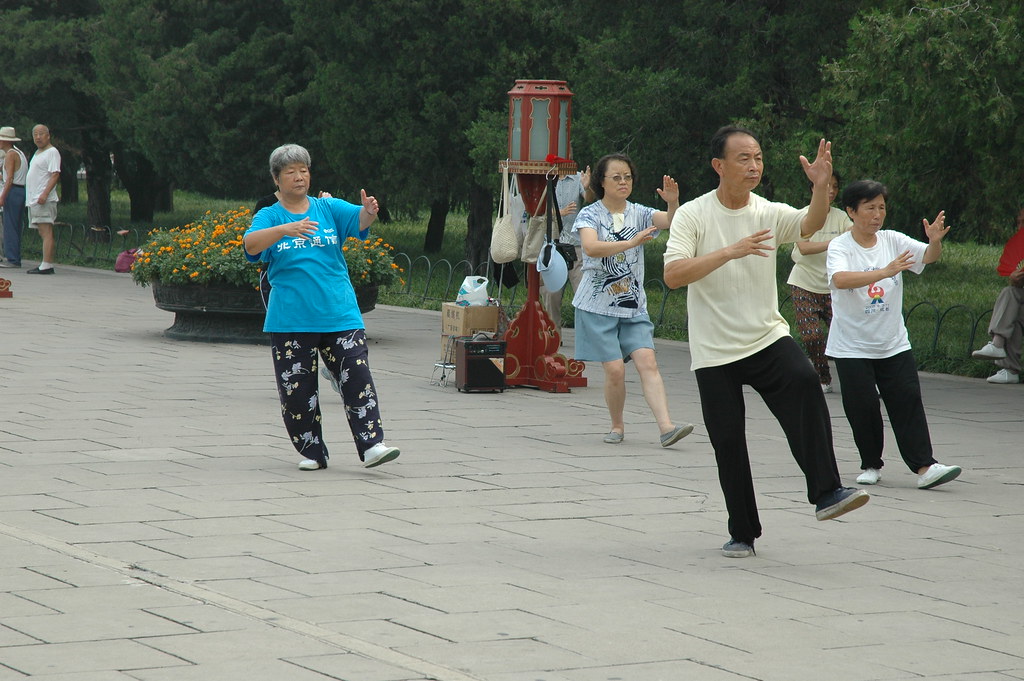
For the activity itself, winter favors gentle, sustained movement. Brisk walking, slow jogging, tai chi, and Baduanjin (Eight Brocades, a traditional Chinese qigong routine of eight slow movements) are all good choices. Keep your heart rate around 100 to 120 beats per minute — lightly sweating and still able to talk normally. Winter mornings are not the time for intense exercise such as sprinting or sudden heavy lifting; cold muscles and joints are much easier to strain.
Take Baduanjin as an example: one full set takes about 15 to 20 minutes, the movements are slow and flowing, and they are coordinated with the breath. It is especially kind to people with stiff shoulders and necks or cold hands and feet. Tai chi works on a similar principle — slow movements that quietly train balance and leg strength. The point is not how hard you train, but that you do a little every day. The body remembers through accumulation.
Drink that glass of warm water before you exercise, and take another small glass within half an hour after finishing — do not wait until you feel thirsty. Once you have sweated, wipe the sweat off and put your jacket back on before heading home; do not linger outside.
Three Common Mistakes to Avoid in Winter
Mistake 1: “Bundle up until you sweat.” Dressing too heavily makes you sweat fast during exercise, and the moment you stop, the cold wind hits that damp skin — and you catch a chill instead. The rule is to feel slightly cool before you start and just right once you are moving. Dress in layers you can add or remove.
Mistake 2: “Exercising on an empty stomach burns more fat.” On a winter morning, exercising with nothing in your stomach can leave people with low blood sugar dizzy and shaky — and the risk is higher still if you already have low blood sugar or diabetes. Eat a small piece of bread or drink half a glass of warm milk before you go out.
Mistake 3: “A cold shower builds toughness.” Cold water is a sudden shock to the cardiovascular system, and winter is the worst season to try it without a long history of gradual adaptation. If you want to build cold tolerance, start by washing your face with warm water and lowering the temperature a little at a time.
A Winter Morning Schedule You Can Follow As Is
Here is everything above condensed into a schedule you can copy directly. It is written for most healthy adults as a reference:
- 6:30–6:35 Wake up. Stretch in bed for a minute or two, sit up slowly, then sit on the edge of the bed for another minute or two.
- 6:35–6:40 Get dressed, put on your cotton slippers, wash up, and sip 200 to 300 milliliters of warm water, slowly.
- 6:40–7:00 Move your body gently with some stretching, or stand on the balcony, soak up the sun, and look into the distance.
- 7:00–7:20 Eat a warm breakfast — hot congee, eggs, and bread are all good choices.
- 7:30–8:00 Once the sun is up, go out for morning exercise — brisk walking, tai chi, or Baduanjin, 15 to 30 minutes, until you are lightly sweating.
- After 8:00 Go home, wipe off the sweat, change into dry clothes, drink another small glass of water, and start your day.
This is not a rigid rule. Office workers can shift the whole thing later or compress it — but keep the order: get up slowly, then drink water, then eat, then exercise. Get the order right and the body’s rhythm falls into place.
Closing: Winter Wellness Means Moving at Your Body’s Pace
Winter morning wellness comes down to three sentences: get up a little slower, drink your water a little warmer, and exercise a little later and a little lighter. No expensive supplements, no complicated rituals — just ten extra minutes each morning, doing these three things right, and your body will pay you back with a better day.
Try it starting tomorrow morning. Set the alarm five minutes earlier, lie still for one minute after waking, fill the glass of warm water the night before, and wait for the sun before you head out to exercise. Keep it up for a week, and you will find mornings less punishing, your hands and feet warming up faster, and fewer drowsy spells during the day.
Quick Answers
How should I get up on a winter morning? In three slow steps: stretch in bed for a minute or two, sit on the edge of the bed for another minute or two, then stand. The whole sequence takes three to five minutes and lets your blood pressure adjust smoothly.
What should the first glass of water be like? Warm, 35 to 40 degrees Celsius, 200 to 300 milliliters, sipped slowly over three to five minutes. Plain water is the best choice. Wait 15 to 20 minutes before breakfast.
When is the best time for winter morning exercise? After the sun is up, usually 7:30 to 9:00. Keep it gentle — brisk walking, slow jogging, tai chi, or Baduanjin — with your heart rate around 100 to 120 beats per minute, for 15 to 30 minutes.
What should I eat before morning exercise? Do not exercise on an empty stomach. A small piece of bread or half a glass of warm milk is enough to steady your blood sugar.
Is a cold shower good for building toughness in winter? No — cold water shocks the cardiovascular system, and winter is the worst season to start. Build tolerance gradually, for example by washing your face with water that gets a little cooler over time.
Disclaimer: This article is general wellness information for educational purposes only. It is not medical advice and does not promise any therapeutic effect. If you have high blood pressure, heart disease, diabetes, asthma, or other underlying conditions, or if you are taking medication or recovering from surgery, please adjust your morning routine and exercise under a doctor’s guidance. If you often feel chest tightness, dizziness, or chest pain after waking, seek medical care promptly.