After the Start of Winter, the dried-goods stalls at the morning market start doing brisk business in longan. A woman I often see buying vegetables told me she stocks up on two jin of dried longan every autumn and winter — steeped in hot water in the morning, cooked into porridge at night. “My hands and feet stay warm, and I sleep better,” she said. Longan is an old familiar face in autumn-winter food therapy, but eat it the wrong way and the benefits shrink while the risk of “internal heat” grows. This guide covers how to eat longan, how much, what to pair it with, and who should be careful — all in one place.
What Does Longan Actually Nourish?
Longan is the dried fruit of the longan tree, a close cousin of the lychee. Fresh longan is juicy and mildly warming; once dried, its warming nature becomes more pronounced, and it keeps far longer. In traditional Chinese medicine, longan is classified as an ingredient that tonifies the heart and spleen, nourishes the blood, and calms the mind — in plain language, it is traditionally used to support warmth, steady energy, and restful sleep. From a modern nutrition standpoint, 100 grams of dried longan contains roughly 5 milligrams of iron, along with glucose, sucrose, B vitamins, and potassium. It is also fairly calorie-dense, so eating too much quickly feels heavy and greasy.
Eating it in autumn and winter comes down to two points. First, keep the “warm but not drying” balance: longan is warming, so it suits people whose hands and feet run cold, whose complexion looks pale, or whose mind keeps spinning at bedtime. Second, go small and frequent: 10–15 grams of dried longan a day is enough — about 8–12 pieces. Do not treat it like a snack and eat it by the handful. Remember this amount; every recipe below is built around it.
One detail people often miss: dried longan in the shell and shelled longan flesh are not quite the same thing. In-shell dried longan stores well and works for both tea and porridge; shelled longan flesh is more convenient, but it absorbs moisture and spoils faster, so keep it sealed and refrigerated once opened. Either is fine to eat — pick whichever fits your kitchen habits.
Three Recipes: Exact Amounts, Heat, and Water
Longan and Red Date Tea: The Easiest Daily Drink for Office Workers
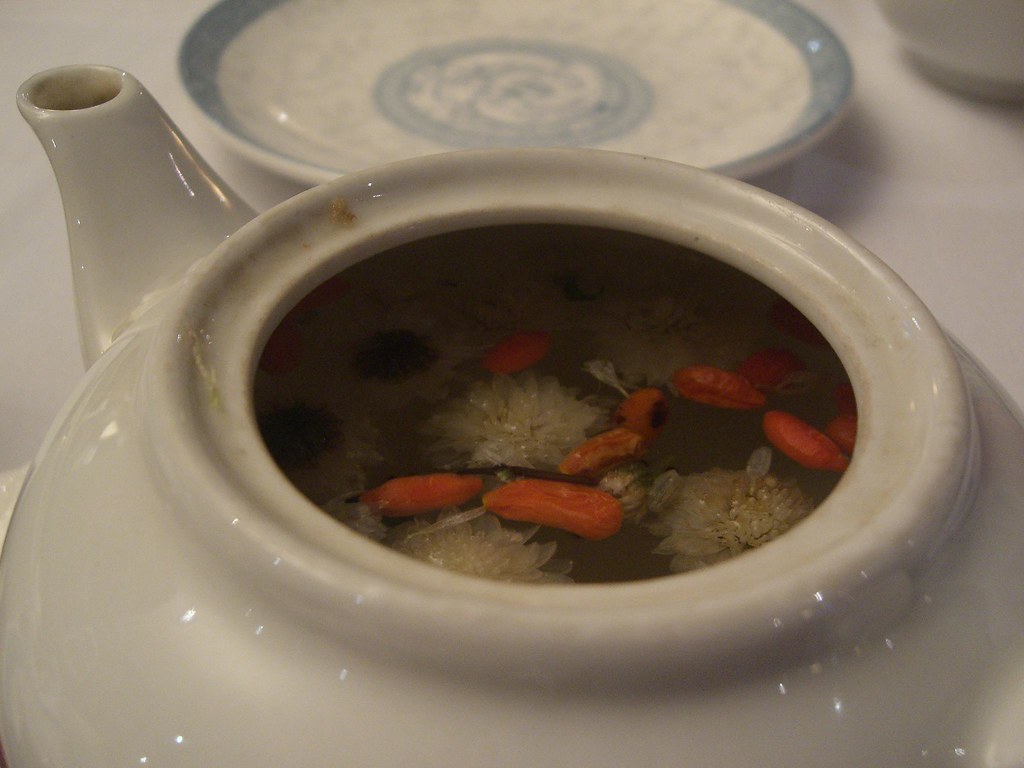
This is the most effortless option — five minutes before you leave the house in the morning. Take 6–8 dried longan, shell and pit them; take 3 red dates, pit them and tear each in half. Add 400 milliliters of water, bring to a boil, then simmer on low heat for 10 minutes. Just before turning off the heat, add 2–3 goji berries and let it steep for 2 minutes. It tastes gently sweet — no extra sugar needed.
At the office, a thermos flask does the same job: 5 grams of longan flesh, 2 red dates, a small pinch of goji berries, and hot water poured over the top. Seal the lid and steep for 20 minutes. It is perfect for that mid-afternoon moment, around 3 or 4 p.m., when your hands start feeling cold. One cup a day is enough — do not drink it from morning to night, or your mouth will feel dry by evening.
Longan and Lotus Seed Porridge: A Warm Bowl Before Bed
This one suits a late-evening snack after dinner, or a slow weekend morning. Soak 50 grams of japonica rice for 30 minutes in advance. Take 15 grams of lotus seeds and remove the bitter green cores, 10 grams of dried longan flesh, and 600 milliliters of water. Put the rice and lotus seeds in the pot first, bring to a boil, then simmer on low heat for 25 minutes. Once the rice grains have bloomed open, add the longan flesh and cook for another 10 minutes, then turn off the heat and let it rest for 5 minutes. You can sprinkle a little dried osmanthus on top before serving, though it is fine without.
Do not skip removing the lotus seed cores — they are bitter, and leaving them in will make the whole pot taste bitter. Eat the porridge while it is hot, and finish it at least an hour before bed rather than eating and lying down right away. Many people report falling asleep more easily after eating it for a week in a row — but that is a personal impression of food therapy, not a medicinal effect.
Steamed Egg with Longan: A Weekend Treat for the Family
Beat 2 eggs, add 150 milliliters of warm water and a little milk, and stir until smooth. Strain the mixture into a bowl and skim off any foam on the surface. Scatter 8 grams of longan flesh and 2 chopped red dates gently over the egg mixture, cover the bowl with plastic wrap, and poke a few small holes with a toothpick. Once the water is boiling, steam over medium heat for 12 minutes, then turn off the heat and let it rest for 3 minutes.
The biggest risk with steamed egg is high heat creating a spongy, honeycomb texture. Twelve minutes on medium heat is the sweet spot where the egg sets firm yet stays silky. This is a lovely weekend-afternoon dessert for children or older family members — the sweetness comes from the longan and red dates themselves, so no sugar is needed. Make one bowl at a time and eat it fresh; do not refrigerate it overnight and reheat it.
What Pairs Best with Longan — and What to Avoid
Longan’s classic partners are red dates and lotus seeds: red dates are traditionally seen as blood-nourishing, lotus seeds as calming, and all three are gentle in nature, so they combine without clashing. Goji berries work too, but keep the amount small — just a pinch — because goji is also warming, and too much of two warming ingredients together can trigger that overheated, “internal heat” feeling. Millet, japonica rice, and Chinese yam are all good partners; tossing a few longan into a pot of porridge instantly makes it taste warmer and more mellow.
A few combinations are worth avoiding. Longan does not go well with large amounts of cold-natured food — eating ice-cold watermelon and then drinking a strong longan tea, for example, can upset the stomach. It also does not suit being cooked with radish: radish is traditionally said to move qi outward, while longan tonifies qi inward, so the two pull in opposite directions and the flavor turns odd. And do not snack on dried longan alongside alcohol — liquor plus a warming ingredient makes the flushed, racing-heart feeling noticeably stronger.
Some people need to be extra careful. If you have diabetes or high blood sugar, longan is fairly high in sugar, and the sugar concentrates further once the fruit is dried — ask your doctor first whether you can eat it and how much. If you tend toward internal heat — frequent breakouts, a dry mouth, a constantly thirsty feeling — do not eat it every day even in autumn and winter; two to three times a week, no more than 10 grams each time, is a safer rhythm. Pregnant or breastfeeding women and anyone taking medication should also check with a doctor before deciding.
Children need even tighter portion control. Longan flesh is sweet and children love it, but children under three should not eat whole pieces of longan flesh directly — it is a choking risk. Older children need only 3–5 grams a day, and cooked into porridge is safer than eating it dried.
Buying and Storing Longan: Don’t Buy the Wrong Batch or Let It Spoil
When buying dried longan, look at the shell first: thin shells, even color, and a faint rattle when shaken mean the fruit was dried through. Shells that look blackened or feel soft when squeezed may have absorbed moisture. Then smell it — good dried longan has a light, sweet fragrance. If you catch a sour or moldy smell, do not buy it. Peel one open and check the flesh: thick, golden-yellow flesh that does not stick to your fingers is top quality; thin, dark flesh is usually old stock.
There is no need to chase the most expensive option. A fairly priced batch from a reliable origin, dried properly, is more than enough for everyday eating. If you buy in bulk, sort through it at home first — pick out any cracked shells or moldy pieces, put the rest in a sealed jar, and keep it in a cool, dry place for one to two months. For longer storage, refrigerate it and it will keep for about six months. In the damp southern spring, when everything turns humid, dropping a small food-grade desiccant packet into the jar is extra insurance.
Keep fresh longan and dried longan separate. Fresh longan should be eaten within two to three days of purchase; even refrigerated, do not keep it longer than a week. If the skin turns black and the flesh tastes sour, it has gone bad — throw it away, no matter how much of a waste it feels like.
Eating Longan in Autumn and Winter: The Rules to Remember
Longan is a helpful companion for autumn-winter food therapy, but its benefits rest on three things being right: the amount, the method, and the person. Ten to fifteen grams of dried longan a day, rotated between tea, porridge, and steamed egg, three to four times a week, does far more than eating half a jin in a single day. If your hands and feet run cold and your sleep is light, start with the longan and red date tea and see how your body feels after two weeks. If you tend toward internal heat or have high blood sugar, ask a doctor first — do not increase the amount on your own.
You can try the simplest recipe tonight: 6 longan, 3 red dates, 400 milliliters of water, simmered gently for 10 minutes. One cup of hot tea, and the autumn-winter night feels a little warmer. Eaten the right way, longan truly nourishes.
Quick Answers
How much dried longan can I eat each day? About 10–15 grams, roughly 8–12 pieces. Treat it as a measured ingredient, not a snack you eat by the handful.
What is the easiest way to eat longan every day? Longan and red date tea: 6–8 longan and 3 red dates in 400 milliliters of water, simmered for 10 minutes. One cup a day is enough.
Can people with diabetes eat longan? Dried longan is high in sugar, and the sugar concentrates as the fruit dries. Ask your doctor first whether you can eat it and how much.
Is longan safe for children? Children under three should not eat whole pieces of longan flesh, because of the choking risk. Older children need only 3–5 grams a day, and porridge is the safest way to serve it.
How should I store dried longan? In a sealed jar in a cool, dry place for one to two months, or refrigerated for about six months. Sort out any cracked or moldy pieces first.
What should I not pair with longan? Avoid large amounts of cold food in the same meal, do not cook it with radish, and do not snack on it while drinking alcohol.
Disclaimer: This article is food culture and general wellness information. Food therapy is not a substitute for medical treatment. People with diabetes, high blood sugar, or a tendency to internal heat should consult a doctor before eating longan, and anyone who feels unwell should seek medical advice promptly. This article does not promise any guaranteed health benefits.