Right after the winter solstice season begins, a line forms at the lamb stall outside the market, and the herbal tonic counter at the pharmacy gets busy too. But serve the same pot of lamb soup to two people and you get two very different evenings: one walks home warm to the fingertips for the rest of the day, the other is up half the night with a nosebleed. Winter tonics work the same way — get the match right and they feel like a gift; get it wrong and they add fuel to the fire. The difference is rarely how expensive the ingredients are. It is whether you know your own body before you start.
In Traditional Chinese Medicine (TCM), winter is the season of storing — the time of year when the body is thought to bank energy for the year ahead. That is why “winter tonics” (dongji jinbu) are such a deeply rooted custom in China: warming foods and herbal soups eaten through the cold months to support the body’s reserves. But the tradition has always come with a condition: tonic first, constitution second is backwards. Know the constitution first, then choose the tonic.
Know Your Constitution First: Finding Yourself Among the Nine Types
TCM describes the human body in nine broad constitution types. In winter, three of them show up most often at the tonic counter: yang-deficient, qi-deficient, and yin-deficient.
Yang deficiency is the classic “always cold” type. While everyone else is fine in one sweater, this person needs two and still feels a chill down the back. Hands and feet stay icy all year round, they get up two or three times a night to use the bathroom, and the tongue looks pale with a white coating. Warming foods are their natural match: lamb, fresh ginger, and longan fruit all suit them well.
Qi deficiency is less about cold and more about tiredness. Three flights of stairs leave them breathless; their voice fades the longer they talk; they sweat at the slightest effort; and a cold that should last three days drags on for two weeks. For them the priority is not “heat” but “qi” — the body’s vital energy, roughly its capacity to power daily function. Astragalus root simmered with chicken, yam porridge, and codonopsis (dang shen) soup serve them far better than a plate of chili heat.
Yin deficiency is the opposite picture: palms and soles that burn, night sweats that soak the sheets, a dry mouth, a constant craving for cold water, and dry stools. These people should avoid heavy warming tonics in winter — too much lamb, dog meat, or chili, and the next morning brings a hoarse throat and a breakout. Their safer path is nourishing yin: white fungus (tremella), lily bulbs, black sesame, and duck meat.
One type is easy to miss: damp-phlegm constitution. The tongue coating is thick and greasy, mornings start with a bitter taste in the mouth, stools stick to the bowl, and the weight creeps up every winter. For them, tonics come second — clearing dampness comes first. Job’s tears (coix seed), winter melon, and dried tangerine peel tea help clear the body’s “dampness” before anything nourishing goes in; otherwise every tonic just gets stuck halfway and leaves them more bloated than before.
How do you tell which one you are? Three quick checks are usually enough: look at your tongue (pale suggests yang or qi deficiency, red with little coating suggests yin deficiency, thick greasy coating suggests damp-phlegm), notice whether you run cold or hot, and feel the temperature of your hands and feet. If you are unsure, do not order a tonic based on a hunch. A constitution assessment at the TCM department of a regular hospital takes about fifteen minutes and costs far less than a few hundred yuan spent on the wrong herbal paste.
Choosing Warming Foods: Sort Them Into Warm, Neutral, and Cooling
Before you cook anything, sort winter tonic foods into three shelves by their nature in TCM terms. Warming foods: lamb, beef, ginger, longan, red dates, walnuts, and chives — right for yang-deficient, cold-prone people. Neutral foods: yam, lotus seeds, chicken, black beans, and glutinous rice — tolerated by almost every constitution, the safest “universal cards” in the winter deck. Cooling foods: duck, white fungus, lily bulbs, pears, and white radish — the ones for yin-deficient people who run hot.
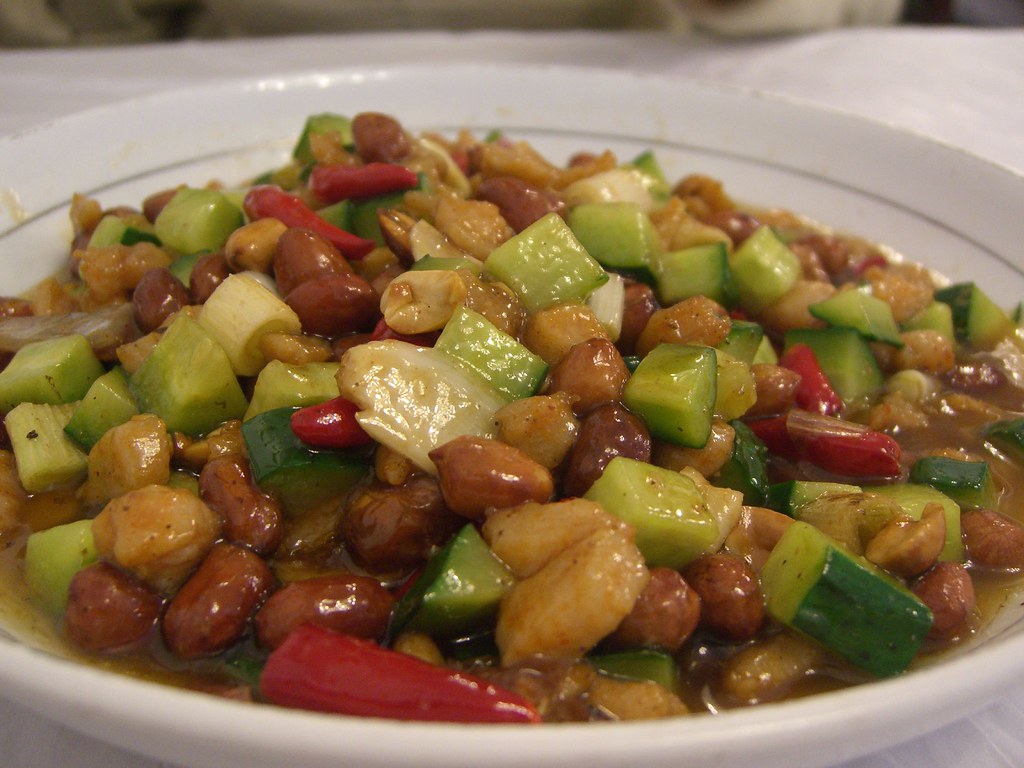
Pairing matters more than any single ingredient. Toss a few slices of white radish into a pot of lamb soup, and the radish’s cooling nature takes the edge off the lamb’s heat — far less chance of waking up with a sore throat. Red dates and goji berries stewed with chicken nourish blood and energy without feeling greasy. A yam and pork rib soup with a handful of black beans supports digestion and, in TCM terms, the kidneys. One meat, one vegetable; one warming, one neutral — that is the pairing wisdom passed down through generations.
Portions deserve the same attention. Tonics are not a license for a feast at every meal. Two or three warming soups a week are enough; the rest of the time, eat normally. People with weak digestion should be especially careful: tonics they cannot digest turn into food stagnation and internal heat, leaving them worse off than if they had eaten nothing special at all.
Three Cheap, Reliable Winter Recipes
- Angelica and ginger lamb soup: 500 g lamb, 15 g angelica root (dang gui), 30 g fresh ginger, simmered for 1.5 hours. For yang-deficient people who are always cold, once a week works best — the warming effect on hands and feet is the most noticeable.
- Yam and lotus seed porridge: 100 g yam, 30 g lotus seeds, 80 g rice. A good everyday breakfast for qi-deficient people who tire easily and have a weak stomach.
- White fungus and lily bulb dessert soup: one white fungus, 20 g lily bulbs, a little rock sugar. A small bowl before bed soothes yin-deficient people who wake up dry-mouthed and sweating at night — moistening, never heavy.
Three Common Mistakes People Make Every Winter
Mistake 1: The pricier, the better — donkey-hide gelatin, ginseng, and cordyceps all at once. A 58-year-old woman spent over 2,000 yuan last winter on gelatin and ginseng. Within two weeks she had acne, constipation, and insomnia. Her doctor’s verdict: a damp-phlegm constitution with a sluggish digestive system — the rich, sticky gelatin simply sat in her stomach, and everything she “tonified” turned into a burden. Tonics follow the constitution, not the price tag. A five-yuan bowl of yam porridge may do more for a qi-deficient person than a whole box of gelatin.
Mistake 2: Winter means feasting — lamb hotpot every night. A week of nightly lamb hotpot is a reliable recipe for dry mouth, swollen gums, and nosebleeds. Winter tonics are meant to be “a low flame, slowly applied”: two or three warming soups a week, with light vegetables like radish, cabbage, and winter melon in between, so the body gets time to breathe. The rhythm should be “tonify for three days, eat light for one” — not a feast every day.
Mistake 3: Copying someone else’s herbal paste. A medicinal paste (gao fang) is a one-person prescription, made only after the doctor has observed, listened, questioned, and felt the pulse. The paste that worked wonders for your neighbor may be a recipe for overheating in a yin-deficient body. Generic pastes sold online deserve extra caution: unclear ingredients, unclear dosages, and real risk for special groups such as pregnant women and people with high blood pressure or diabetes. Get a paste only from a proper hospital — never from a livestream shopping link.
Rhythm, Sleep, and Movement: Keeping What You Tonic In
Half of a tonic’s effect is in the eating; the other half is in sleeping and moving. Winter nights are long and days are short, so the seasonal rhythm points to bed by 10:30 p.m. and up between 6:30 and 7:00 a.m. Stay up until 1 or 2 a.m. and then take a tonic, and you are filling a leaking bucket — the liver’s blood is being spent on the late night, and the tonic goes to waste.
Exercise should be gentle and steady, never a sweat-drenched workout. The best winter choices are brisk walking, tai chi, and Baduanjin — 30 to 40 minutes a day, stopping when you break a light sweat. Wait until the sun is up before heading out for a morning session, and avoid the coldest stretch between 5 and 6 a.m. A bowl of hot ginger soup after the walk feels far better than a tonic soup on an empty stomach before it.

One more detail: eat less raw and cold food while you are tonifying. Iced drinks and fruit straight from the fridge pour cold water on the digestive fire. Steam or stew fruit instead — pears simmered with rock sugar, apples steamed with red dates — both are winter-friendly ways to eat it.
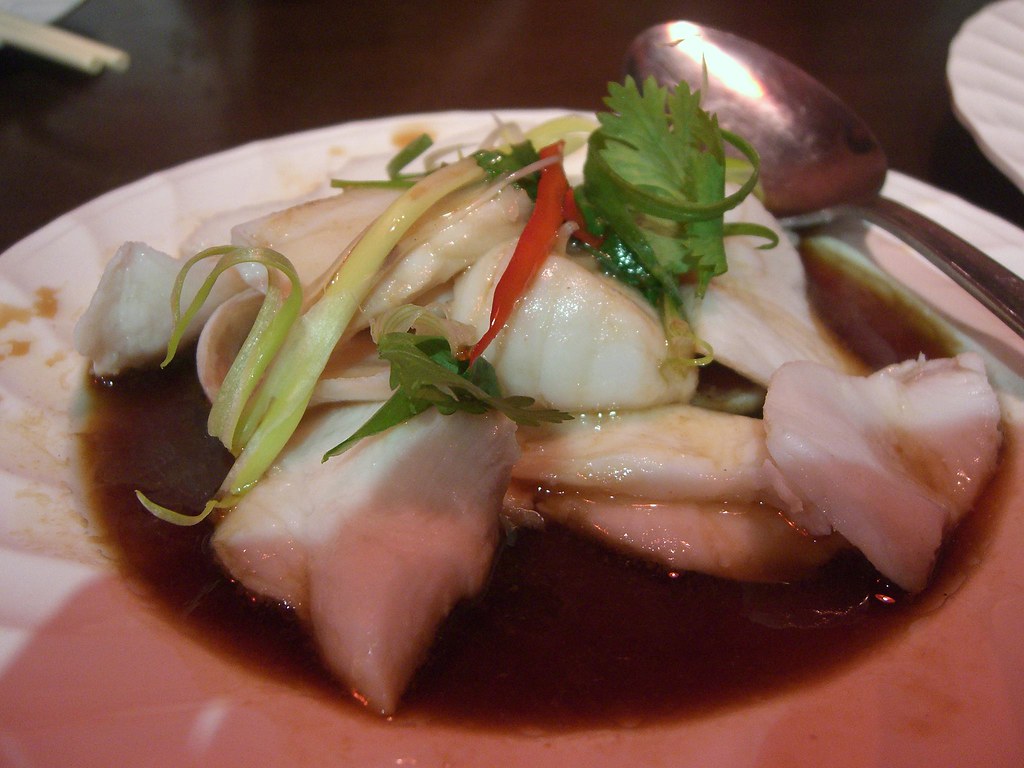
The rhythm can follow the months: November starts light and simple, December is the peak of warming tonics, January — the coldest month — brings slightly more frequent but smaller portions, and February, as spring approaches, gradually scales back the warming foods and brings the green vegetables back in.
Quick Answers
Which constitution benefits most from winter tonics? Yang-deficient people (always cold, pale tongue) benefit most from warming tonics such as lamb and ginger. Qi-deficient people should focus on energy-supporting foods like astragalus chicken soup and yam porridge. Yin-deficient people should choose cooling, moistening foods like white fungus and duck, and avoid heavy warming tonics.
How often should I eat tonic soups? Two or three times a week is enough. Eat normally the rest of the time, and alternate with light vegetables so the body gets a rest day.
Are expensive tonics like ginseng and cordyceps better? Not necessarily. Tonics work when they match your constitution. A cheap bowl of yam porridge that suits you can beat an expensive paste that does not.
Can I buy a herbal paste online? Be cautious. A proper paste is prescribed individually after a face-to-face diagnosis. Generic pastes sold online have unclear ingredients and dosages, and they carry real risk for pregnant women and people with chronic conditions.
What else matters besides food? Sleep before 10:30 p.m., gentle daily movement such as brisk walking or tai chi, and avoiding iced drinks — these decide whether the nourishment you eat actually stays with you.
The Bottom Line: Constitution First, Tonics Second
There is no single right answer to winter tonics — only the answer that fits your body. Remember three things: identify your constitution before you buy, and a cheap tonic that suits you beats an expensive one that does not; pair warming foods with light ones, tonifying three days and eating light for one; and remember that tonics are only the supporting cast — sleep and movement are the leads that keep the nourishment in place. This winter, spend fifteen minutes finding out your constitution, then start with a bowl of hot soup and a handful of nuts, and slowly warm your body back up.
Three things you can do today: look at your tongue in the mirror and compare it with the descriptions above to see which type you lean toward; move the cold foods out of the fridge and stock up on red dates, yam, and black sesame instead; and get to bed by 10:30 tonight, then step out for a 30-minute brisk walk after the sun rises tomorrow morning. Winter tonics are not about one big feast — they are about a little bit of the right habit, every day.
Disclaimer: This article shares traditional Chinese medicine cultural knowledge for general information only. It is not medical advice and promises no health benefits. Constitution types vary from person to person. Pregnant or breastfeeding women, children, older adults, and people with chronic conditions such as high blood pressure, diabetes, or liver and kidney disease should consult a qualified physician at a regular hospital before taking any tonic. If you feel unwell, seek medical care promptly and do not self-medicate.