You bend down to tie your shoes in the morning and a sharp twinge shoots across your lower back. Or you stand up after a whole afternoon at your desk and your waist refuses to straighten. Most of us know that moment. On the lower back sits a well-known acupoint — a specific spot used in traditional Chinese medicine, where pressure is applied to influence the body’s energy flow — called Shenshu, and finding the right spot, pressing gently, and spending a few minutes a day on it leaves many people feeling warmth and looseness spreading across their waist.
Where Shenshu Is: Find It With Your Hands on Your Hips
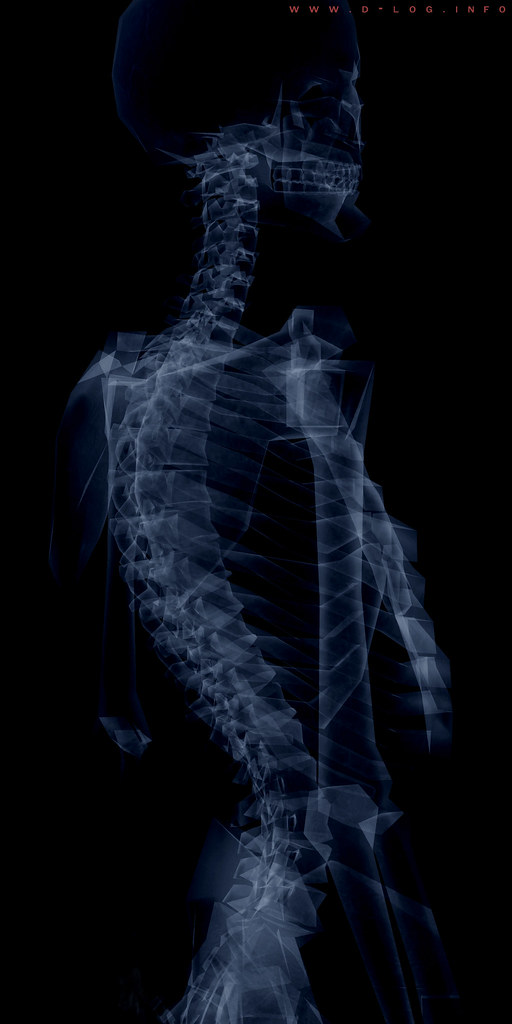
Shenshu — known in acupuncture as BL23, the 23rd point on the Bladder meridian (one of the channels through which, in traditional Chinese medicine, vital energy is said to flow) — sits on the lower back, one on each side of the spine, level with the second lumbar vertebra and about 1.5 cun to either side. A cun is a traditional body-based unit; 1.5 cun is roughly the width of two of your own fingers held together. No ruler needed — an estimate is fine.
Here is the easiest way to find it. Stand up straight and put both hands on your hips, thumbs forward, fingers resting on your back. Your middle fingertips will land close to the right height. Now slide your fingers a little away from the spine — about two finger-widths out — and press in gently. The spot that gives a mild, sore, slightly swollen feeling when pressed is Shenshu. There is one on each side, mirroring each other.
One useful landmark: the lumbar vertebrae are the bony bumps you can feel running down the center of your back. The second lumbar vertebra sits roughly at the level of your belly button, slightly above it. So draw an imaginary line from your navel straight through to your back — Shenshu lies on either side of that line.
Don’t worry about pinpoint precision the first time. Press over a slightly wider area, and the point where the sore, heavy feeling is strongest is your target. You can’t see an acupoint on the skin — you find it by feel. Press the right spot and you’ll sense a dull ache, a feeling of fullness, or a faint warmth. Press the wrong spot and it just feels like ordinary skin.
What Tradition Says It Helps: Lower Back Ache, Weak Knees, and Ringing Ears
In traditional Chinese medicine, Shenshu is the Back-Shu point of the Kidney — a point on the back where, according to the theory, the energy of the kidney organ system connects with the surface of the body. The old texts call the waist “the house of the kidney,” so lower back soreness and weak knees were traditionally linked to depleted kidney energy, and Shenshu became one of the go-to points for waist care.
Traditionally, Shenshu is used for these kinds of complaints:
- Lower back ache and stiffness: after long sitting, long standing, or bending to lift something heavy, the waist feels sore and weighed down. Pressing Shenshu is a common habit in these moments.
- Weak waist and knees: climbing two flights of stairs and feeling your legs go soft, your waist unable to push. In traditional theory this is grouped under kidney energy deficiency, and Shenshu is a standard point in the combination.
- Ringing in the ears: the old saying goes “the kidney opens into the ear,” so Shenshu often appears alongside ear points such as Tinggong and Ermen in traditional routines for tinnitus.
- Frequent nighttime urination: getting up two or three times a night, sleep broken. Traditional practice pairs Shenshu with Guanyuan, a point on the lower abdomen, for this pattern.
All of this is traditional theory — a way of thinking about regulation and balance, not a promise of treatment. Back pain has many causes: it may be muscle strain, or it may be a disc problem. Massage is a daily wellness aid, not a cure.
Three Ways to Press It: Thumb Pressure, Palm Rubbing, and Loose-Fist Tapping
You need no tools for Shenshu — just your hands. The three techniques below can be used on their own or combined. Keep breathing naturally throughout; never hold your breath.
Thumb Pressure: The Classic, Best Before Bed
Press your two thumbs onto the left and right Shenshu points, the other fingers braced against your sides to steady your body. Increase the pressure slowly until you feel a sore, heavy sensation, hold for 5 to 10 seconds, then release gently. Repeat. Work each side for 3 to 5 minutes, once or twice a day. Doing it before bed tends to work best — many people feel warmth spreading across the waist afterward and fall asleep more easily.
Judge the pressure yourself: it should be a bearable soreness. If it makes you wince or gasp, it’s too hard. Trim your nails short and never dig in with a nail tip. You can also make small circles over the point, about 1 centimeter across, clockwise or counterclockwise — whichever feels natural.
Palm Rubbing: Warms Up Fast, Great in Winter
Rub your hands together until warm, then place your palms over the Shenshu area and rub up and down quickly, about 2 to 3 strokes per second. After 30 to 50 strokes, the skin of your waist should feel slightly flushed and warm — that’s when to stop. On a winter morning, a quick rub before heading out warms the waist fast, and the cold doesn’t seem to seep in while cycling.
This method covers a wide area and treats both points at once, so it suits people with less hand strength or who aren’t sure they’ve found the exact spot. Don’t rub through thick clothing — a thin undershirt is fine, but a heavy sweater blocks the contact and weakens the effect.
Loose-Fist Tapping: Stronger, for Well-Muscled Backs
Make loose fists and tap the Shenshu area lightly with the backs of your fists, about 60 to 80 taps per minute, for 1 to 2 minutes. The vibration from a loose fist reaches the deeper muscles, which suits people with thick back muscles or a high level of daily exercise.
This is the strongest of the three methods. Skip it if your waist has an old injury or you have just twisted it. Keep your wrists relaxed and let the wrist’s own spring do the work — don’t swing your arms and hammer. Afterward your waist should feel looser. If it hurts more with every tap, stop immediately.
Pairing Points and Daily Waist Care: It’s a System, Not One Trick
One point on its own has limited effect — pairing points works better. Guanyuan sits about four finger-widths below the navel. Warm your palms, rub Guanyuan in slow clockwise circles for 3 minutes, then press Shenshu for 3 minutes. Front and back, together — many people make this their fixed winter morning routine. Mingmen, another point, lies right on the midline of the back at the same level as Shenshu, between the two points; a palm rub naturally covers it too.
Beyond the points themselves, daily habits matter more. If you sit all day, stand up and move for 2 minutes every 45 minutes — a good stretch and a few waist rotations beat a single 10-minute session. In winter, keep your waist covered: cold makes the waist muscles tense up, so warm the area with a rub before going out. When lifting something heavy, squat down first, keep your back straight, and then rise — never bend at the waist and hoist.
Your mattress deserves attention too. A mattress that is too soft lets your waist sag all night, and you wake up sorer. A medium-firm mattress works best: lying on your back, you should be able to slide a hand under your waist without feeling a gap. Sleeping on your side, a thin pillow between your knees spreads the load more evenly across the waist.

A Few Minutes a Day: Start by Finding the Spot
Shenshu is not hard to find: hands on hips, middle fingertips, then slide about two finger-widths out from the spine until you hit the sore point. Spend 3 to 5 minutes before bed each night — thumb pressure or palm rubbing — and after two weeks many people notice their waist feeling warmer and looser, with less stiffness after long sitting.
The action plan is simple: try it tonight before bed. Warm your hands, press both thumbs onto the two Shenshu points, hold gently for 5 seconds, release, repeat 10 times, then rub up and down with your palms 30 times and stop once the waist feels warm. Note the pressure and the time, keep it up for a week, and see how your own waist responds. There is no shortcut to waist care — find the point, keep the touch light, do it daily. That beats a single half-hour session every time.
Quick Answers
How do I know I’ve found the right spot? Pressing it should give a dull, sore, slightly swollen feeling, sometimes with a faint warmth. If it just feels like ordinary skin, move your fingers a little and try again.
How often should I do it? Once or twice a day, 3 to 5 minutes each time. Before bed is the most popular slot, and consistency matters more than intensity.
Which technique should I start with? Thumb pressure. It is the easiest to control. Add palm rubbing in winter or when your hands get tired, and use loose-fist tapping only if your back muscles are strong and uninjured.
Can I press it every day? Yes, as a daily wellness habit. If soreness lingers into the next day, press more lightly or take a day off.
What if it hurts more after pressing? Stop right away. Pain that gets worse, numbness, or weakness in the legs are signs to see a doctor rather than keep pressing.
Disclaimer: Acupressure is a daily wellness practice, not a substitute for medical treatment. Do not press on broken, inflamed, or infected skin. Use caution during pregnancy or with serious spinal conditions, and consult a doctor first. Acupressure carries no guaranteed therapeutic effect. If you experience worsening pain, numbness, or weakness in the legs after pressing, stop immediately and seek medical care. This article is for general education only.