You wake up at 6:40 on a Tuesday morning. Half a dream is still clinging to the pillow: you found a crisp 100-yuan note outside a wet market, and just as you were about to slip it into your pocket, the dream snapped shut. Maybe you have had this dream too — counting banknotes until your hands ached, or losing your wallet and waking up in a cold sweat. So what do money dreams actually mean? This article looks at them through Chinese folk culture and dream lore. It is a cultural interpretation, for reference only — not a prediction of your fortune.

How the Ancients Read Money Dreams
Money dreams appear very early in Chinese dream literature. Zhou Gong’s Dream Interpretation (Zhougong Jie Meng, a folk dream manual attributed to the Duke of Zhou, a revered figure from the Western Zhou dynasty) sorts dreams into fine categories: finding money, losing money, counting money, giving money away — each with its own traditional reading. Finding money, for instance, is often said to mean “a small windfall is coming,” while losing money is read as “watch out for unexpected spending.” These sayings have circulated for hundreds of years and are still passed around by older generations today.
But not every scholar in old China took dream books literally. A Ming-dynasty notebook records a man who dreamed of winning a huge prize — and the next morning he still went to his shop, did the accounts, and paid every cent of rent he owed. A dream is a dream; life is life. Read the old sayings as folk culture and they are full of charm. Use them like a weather forecast and you will mostly end up disappointed.
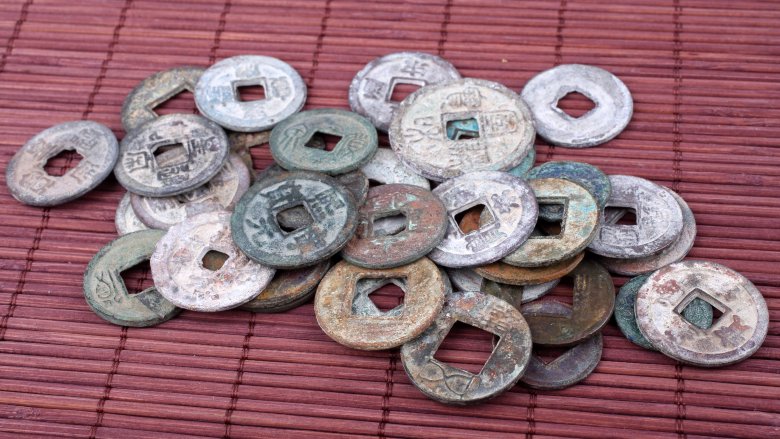
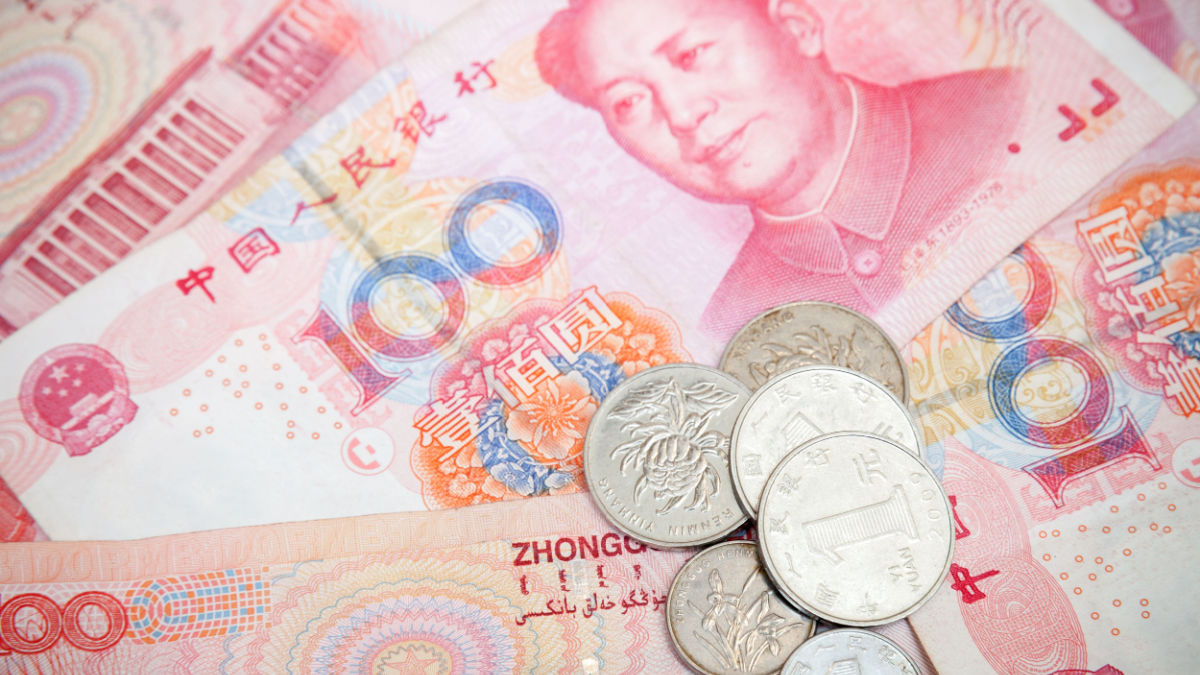
There is another telling detail: the “money” the ancients dreamed about looked nothing like ours. They dreamed of copper coins, silver ingots (yuanbao, boat-shaped lumps of silver used as currency), and strings of round coins with a square hole in the middle, worn at the waist. Today people dream of paper banknotes, bank cards, and the payment notification ping on their phone. The money in dreams changes with the times — which itself tells you something: dreams reflect what is in the dreamer’s life, not some fixed, unchanging omen.
The Most Common Money Dreams
Money dreams, it turns out, come in only a handful of plots — and most people have dreamed at least one of them.
Dreaming of Finding Money
This is the most common of all. You pick up a stack of banknotes on the roadside. You find a few hundred yuan in the pocket of an old coat. You win the lottery. The first feeling on waking is usually delight — followed by regret: why did I have to wake up just then? In folk tradition this kind of dream is often read as “an unexpected joy may be on the way,” but it usually comes with a warning attached: money that comes easily goes easily; keeping it is what counts. For reference only.
Dreaming of Losing Money or Being Robbed
Your wallet is gone. Your phone payment has been drained by a thief. The wages you just withdrew have vanished. These are the dreams that make you anxious — some people even turn their bag inside out again and again inside the dream. Folk sayings often call this po cai xiao zai, “losing a little money to ward off a bigger disaster”: spend a small sum and dodge a larger trouble. That sounds less like a prophecy and more like self-comfort — when you really lose something, you need a reason to feel better about it.
Dreaming of Counting or Saving Money
You sit at a table counting banknotes, one by one, very carefully. Or you go to the bank to make a deposit and watch the number in your passbook grow. These dreams tend to show up when money is tight — or right after payday. In folk readings, counting money is often taken to mean “money is on your mind,” and saving money is read as “wanting life to feel steady.” Put plainly: the dream is saying out loud, in another form, what you did not say during the day.
Dreaming of Giving Money Away or Lending It
You lend money to a relative, send a red envelope (hongbao, a gift of money traditionally given in a red packet) to a friend, or someone chases you to repay a debt. These dreams are usually about relationships, not cash: has someone recently asked you for a loan? Is there a favor or a gift exchange that has left you feeling awkward? Folk tradition reads giving money as “favors go back and forth,” and borrowing as “only give what you can afford.” For reference only.
What Money Usually Points to in a Dream
Set aside the question of good or bad luck, and money in a dream works more like a symbol — it points to what is going on in the dreamer’s waking life.
First, it points to a sense of security. The rent is 2,800 yuan, due on the 5th of next month. Your child’s tutoring costs 6,000 yuan a semester. Your parents’ medical bills are still unpaid. With numbers like that pressing on your mind, it is no surprise to dream about money. Dreaming that you do not have enough, or that your wallet is empty, usually does not predict a financial loss — it means you spent too much of the day doing the math.
Second, it points to a sense of worth. Someone dreams of counting money after a promotion and a pay rise; someone else dreams of losing money after being criticized by their boss. Here money is not measuring a bank balance — it is measuring “was my work worth it?” A salesperson who just closed a 20,000-yuan order dreams of receiving a bonus. An office worker who has done three straight weeks of overtime without a day off dreams that a digit has vanished from their pay slip. The dream has converted “am I valued?” into cash.
Third, it points to a choice. You find money in a dream and hand it back. You hold a sum of money and cannot decide whether to take it. Dreams like these often arrive when a decision is pending: should I change jobs? Should I take on a side gig? Should I lend money to a friend? The money in the dream has become a prop in a multiple-choice question.
Modern psychology offers a similar view: dreams are the brain sorting through the day’s emotions and memories, and money is one of the easiest symbols to carry emotion. It can stand for safety, freedom, and dignity — or for pressure and debt. The same dream of “finding money” feels completely different to someone who has just been paid and someone who owes money on a credit card. For reference only: when interpreting a dream, look at the dreamer’s recent life first. That is more reliable than opening a dream dictionary.
After a Money Dream: Five Small, Practical Things to Do
The dream is over; life goes on. Instead of agonizing over whether the dream was lucky or unlucky, treat it as a nudge and do a few concrete things.
- Write it down first. Spend two minutes after waking to note the plot and how you felt in your phone’s notes app. Look back a week later and you will find many dreams line up with what happened that week — not because the dream predicted anything, but because your feelings were already showing signs.
- Check your accounts. If you dreamed of losing money or not having enough, take a look at this month’s income and spending: rent, utilities, credit-card bills — which are fixed, and which can be cut? Writing the numbers down is steadier than counting money in a dream.
- Do not rush into a decision. Dreaming of a windfall and immediately buying lottery tickets, or dreaming of losing money and rushing to withdraw all your cash and hide it at home — these impulse moves rarely pay off. For any important financial decision, wait until you are awake and clear-headed, and talk it over with your family.
- Talk to your family. Behind many money dreams is a family matter: your parents’ retirement savings, your child’s school fees, the savings plan you and your spouse share. If the dream reminded you, bring it up over dinner.
- Sleep a little better. Staying up late night after night, scrolling on your phone until 1 a.m., makes dreams more frequent and more chaotic. Put the phone down half an hour before bed, soak your feet, listen to some soft music — and the dreams will settle down on their own.
Closing: A Dream Is a Mirror, Not a Prophecy
From Zhou Gong’s Dream Interpretation to today’s folk sayings, money dreams have been talked about for over a thousand years, in countless versions. Finding money, losing money, counting money, lending money — behind every reading is an observation about life, and a way of comforting oneself. Read these sayings as culture and you will find plenty of human warmth in them. Treat them as a verdict on your fate and you will let one dream lead you around.
The next time you dream of money, try asking yourself three questions first: Have I been worrying about money lately? Did I just make a decision that involves money? Has it been a while since I talked with my family about household spending? The answers are usually more accurate than any dream book. A dream is a mirror — it reflects the daytime you. And the days themselves still have to be lived, one step at a time, while you are awake. Everything above is cultural interpretation for reference only; it is not a judgment about your fate, and it is not investment advice.
Quick Answers
Is dreaming of finding money good luck? In Chinese folk tradition it is often read as a small windfall or unexpected joy — but the same tradition adds that money found easily is spent easily. Treat it as cultural lore, for reference only.
What does dreaming of losing money mean? The folk saying is po cai xiao zai — “lose a little money to ward off a bigger disaster.” Think of it as comfort, not a forecast. If you are anxious, check your real budget instead.
Why do I keep dreaming about counting money? It usually shows up when money is on your mind — a tight month, a recent payday, a decision about spending. The dream is repeating a daytime worry in another form.
Can a dream predict whether I will get rich? No. In this cultural reading, dreams reflect your current worries, hopes, and choices. They are a mirror of your waking life, not a prophecy — for reference only.
What should I do after a money dream? Write it down, check your month’s income and spending, do not make any rushed financial decision, and talk with your family if the dream touched on household money. And get a good night’s sleep.