You have been on your feet all day — walking to work, climbing stairs, running errands — and your soles are the first to complain. Some nights you lie in bed with the soles of your feet feeling hot and swollen, tossing and turning when you should be asleep. This is the moment older generations in China reach for a simple remedy: press Yongquan, the “Gushing Spring” point on the sole of the foot. Pressed the right way, it leaves your feet warm and your whole body noticeably more relaxed. This guide covers everything you need to start tonight: how to find the point, how to press it, how long to spend, and when to leave it alone.
Yongquan, known in acupuncture as KI1, is the first point on the Kidney meridian, the channel that traditional Chinese medicine associates with the body’s reserves of energy and warmth. Its name is literal: in classical texts it is described as a spring of qi welling up from the bottom of the foot, like water rising from an underground source. You do not need to accept the meridian theory to use it — you only need to find a small hollow on the sole, press it with the right pressure, and notice what happens.
Where Is Yongquan? Three Ways to Find It
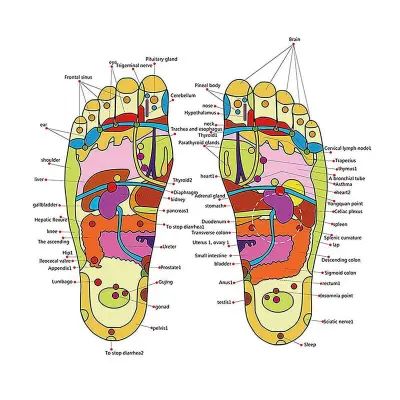
Yongquan sits on the sole of the foot, in the front third, slightly toward the center. If you have never located an acupoint before, use all three methods below and cross-check them against each other. When all three point to the same spot, you have found it.
Method 1: Curl Your Toes and Find the Hollow
Sit down, lift one foot, and curl your toes hard toward the sole. A clear hollow appears in the front part of the sole. Yongquan is right in the middle of that hollow. This is the most direct method, and the one to try first.
Method 2: Divide the Sole into Thirds
Measure the sole from the heel to the base of the toes, not counting the toes themselves, and divide it into three equal parts. Yongquan lies roughly where the front third meets the middle third — about 2 to 3 centimeters back from the base of the toes. If your foot is 24 centimeters long, the point sits roughly 15 to 16 centimeters forward from the heel.
Method 3: Press and Hunt for the Ache
Use your thumb to press slowly across the front third of the sole. At one spot you will feel a distinct, dull ache, sometimes with a faint tingling. That is Yongquan. If you hit hard bone, you are in the wrong place; the sore, tender spot is the target.
All three methods lead to the same point. Once you find it, mark it lightly with a pen. After a few sessions you will be able to find it with your eyes closed.
How to Press It: Pressure, Timing, and Technique
Good acupressure has a clear signal: pressing down brings a dull ache, and releasing leaves the sole feeling warm. That combination — ache on pressure, warmth after — is how you know you have it right. Rubbing the skin without that feeling is just friction.
Thumb Kneading: The Standard Method
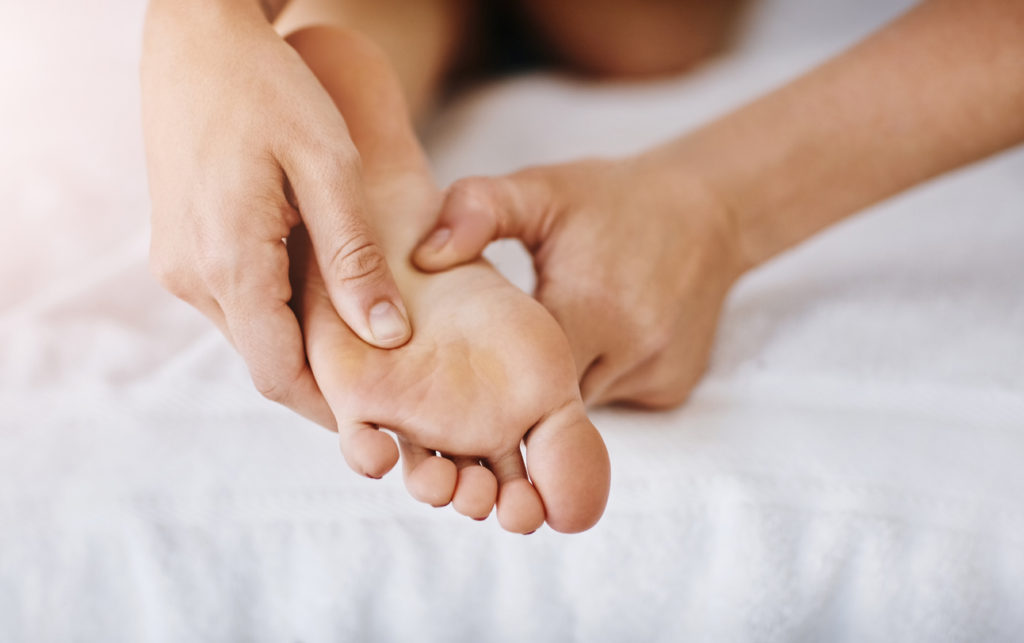
Press the pad of your thumb onto the point and make small circles, about one circle per second. The pressure should feel achy but bearable. Work one foot for about 3 minutes, then switch. Beginners usually press too hard; the right level leaves the sole slightly pink and warm afterward, with no sharp pain and no bruising.
Fist Pressure: For Weak Thumbs
Make a fist and press the knuckles of your index and middle fingers into the point, rolling back and forth in short strokes. This takes far less hand strength and suits older adults or anyone whose thumbs tire quickly. Spend 2 to 3 minutes per foot, at a slow pace of about 30 strokes a minute.
Rolling Underfoot: Done Standing Up
Place a smooth wooden stick 3 to 5 centimeters in diameter — a golf ball works just as well — on the floor, step on it with the sole of your foot, and roll it back and forth. Five minutes in the morning, right after getting up, is a routine many people keep for years: roll until the sole feels warm, then go and wash up. Make sure the surface is smooth; a spiky massage board can easily scrape the skin.
A practical daily rhythm: 3 to 5 minutes per foot, 6 to 10 minutes for both feet, once or twice a day. One session an hour before bed works best for most people. Breathe deeply as you press — press a little harder as you inhale, ease off as you exhale — and the ache will feel more distinct. After about two weeks of steady practice, most people develop a reliable sense of exactly how much pressure their own feet need.
Who It Helps, and Who Should Be Careful
Yongquan acupressure suits people whose feet ache after long hours of standing or walking, people whose soles feel hot at night and keep them awake, and anyone with cold hands and feet who wants a simple foot-soaking and massage routine. Pairing it with a foot soak in water around 40 degrees Celsius for 15 minutes first makes the feet warm up faster.
Be careful in these situations: pregnant women should not press Yongquan on their own; anyone with cuts, blisters, athlete’s foot infection, or visible varicose veins on the sole should let the skin heal first; people with diabetes may have reduced feeling in their feet, so use lighter pressure, and if a family member is helping, ask about the sensation often to avoid pressing too hard without noticing; and skip it within half an hour after a meal, after drinking alcohol, or while running a fever.
One common mistake is believing that more pain means better results. It does not. Sharp, stabbing pain, or a bruise the next morning, means the pressure was too strong — ease off and shorten the session. A dull ache is the goal; pain is a warning. Do not confuse the two.
Pairing It With a Foot Soak and a Better Evening
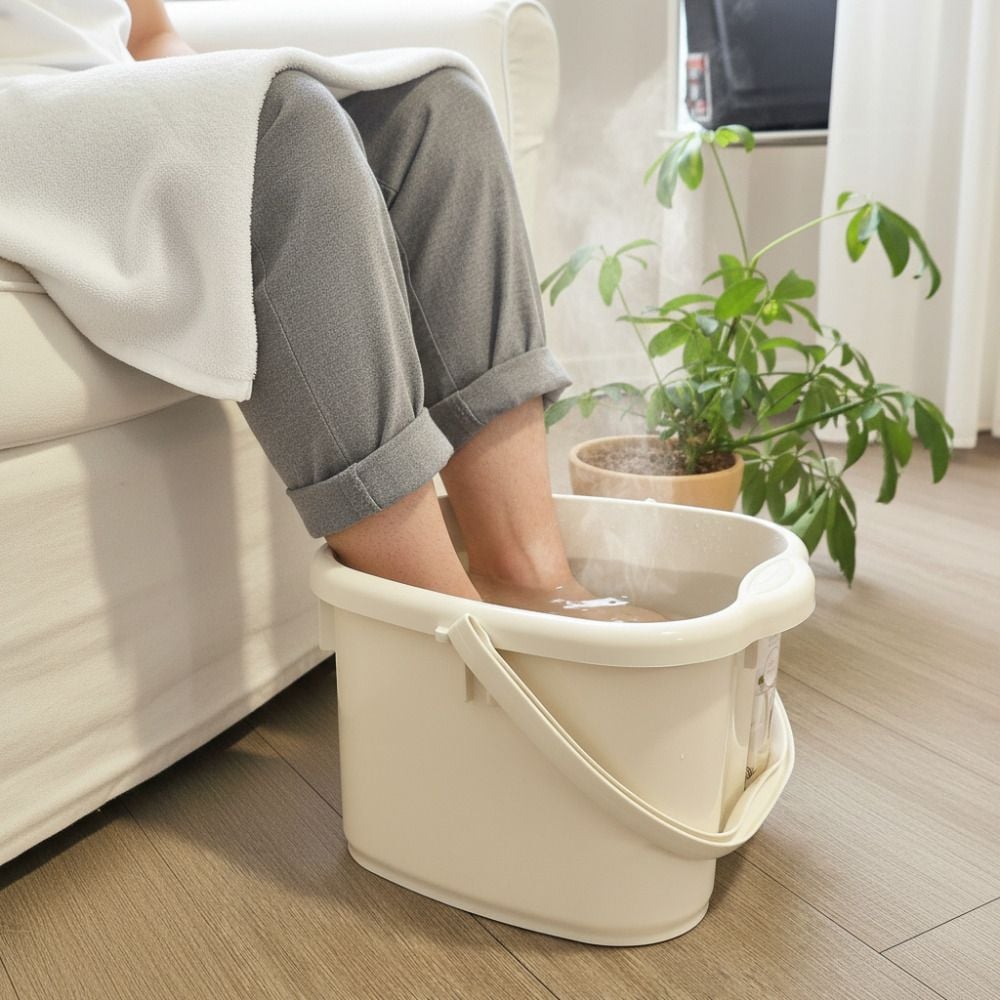
Pressing Yongquan alone only relaxes one spot. Two habits make the effect more complete. The first is a foot soak: water at 38 to 42 degrees Celsius, deep enough to cover the ankles, for 15 to 20 minutes. Stop when your forehead feels faintly sweaty, dry your feet, and then press Yongquan. The second is your evening routine: finish the massage about an hour before bed and put the phone down. Scrolling through videos for another half hour after relaxing your feet burns off the calm you just built.
Keep your feet warm afterward. In autumn and winter, do not step barefoot onto a cold floor right after a massage — put socks on first. Once the soles get cold, the warmth fades fast and the session loses much of its effect.
What to Expect, and When to Stop
Most people notice two things quickly: the soles feel warm within minutes of a session, and the feet feel lighter the next morning. Deeper changes — falling asleep more easily, less restless tossing — usually take one to two weeks of regular practice, not one lucky night. Keep a small note of how your feet feel after each session for the first week; it is the simplest way to tell whether your pressure and timing are right.
Stop and rest the feet if you notice persistent pain, swelling, or skin irritation after pressing, and see a doctor if it does not settle. Acupressure is a daily wellness habit, not a treatment, and it should never replace medical care for foot pain, poor circulation, or sleep problems that keep coming back.
Quick Answers
How do I find Yongquan the first time? Curl your toes hard and look for the hollow in the front third of the sole. Cross-check with the thirds method — about 2 to 3 centimeters back from the base of the toes — and with the ache test: the right spot feels sore and tender when pressed, not hard like bone.
How hard should I press? Hard enough to feel a dull ache you can tolerate, not a sharp pain. The sole should look slightly pink and feel warm afterward. Bruising or pain the next day means you pressed too hard.
How long should each session last? About 3 to 5 minutes per foot, 6 to 10 minutes total, once or twice a day. One session an hour before bed suits most people, and two weeks of steady practice is enough to build a reliable routine.
Can I do it while pregnant or with diabetes? Pregnant women should not press Yongquan on their own — ask a doctor first. People with diabetes often have reduced feeling in their feet, so use lighter pressure and check the skin afterward; if a family member helps, they should ask about the sensation throughout.
Does it really help with sleep? Many people report warmer feet and an easier time falling asleep after a bedtime session, especially combined with a warm foot soak. Treat it as a relaxing nightly habit rather than a cure for insomnia, and see a doctor if sleep problems persist.
Your First Session Tonight
Yongquan is the hollow in the front third of the sole: find it by curling your toes, confirm it with the thirds method and the ache test, and press with your thumb for 3 to 5 minutes per foot, once or twice a day. Aim for a dull ache and a warm sole afterward; pain and bruising mean you have gone too far.
Try it tonight. Soak your feet for 15 minutes, dry them, sit down, and knead Yongquan on each foot for 3 minutes with your thumb. Notice how warm your soles feel when you finish. Do it for two weeks and make it a fixed part of your bedtime routine — a small habit done every night beats an occasional session every time.
Disclaimer: This article is for reference only and does not constitute medical advice. Acupressure is not a substitute for medication or professional treatment. Pregnant women and people with medical conditions, foot injuries, or skin infections should consult a doctor first. If pressing causes persistent pain, swelling, or discomfort, stop and seek medical attention.