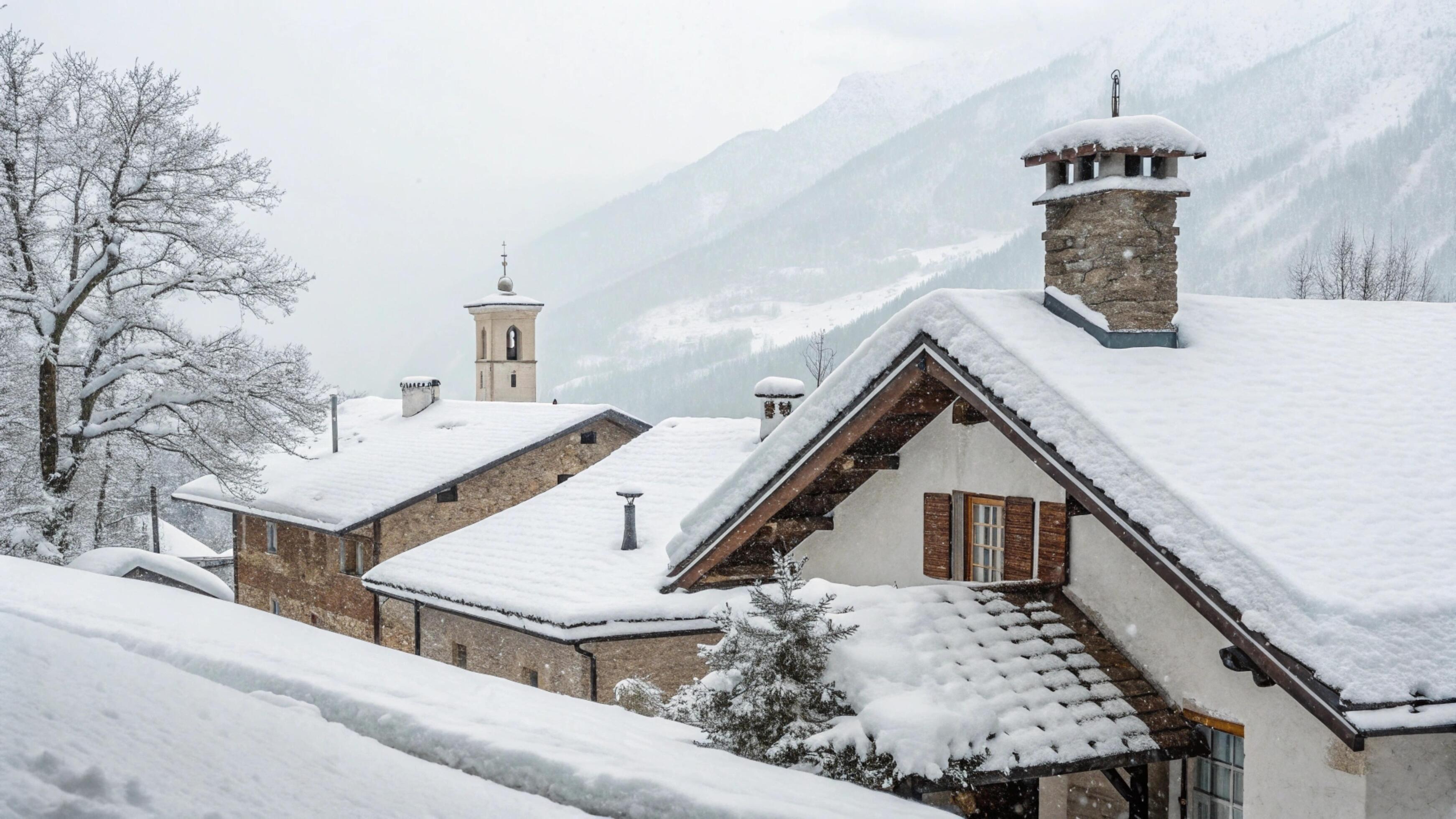
At six in the morning, Uncle Li pushes open the wooden door of his Beijing courtyard house and instinctively pulls his neck into his collar. Overnight, a dusting of snow has settled on the grey roof tiles, so thin that it crunches underfoot. A skin of ice has formed on the water jar under the eaves. He carries the cabbages from the yard indoors and presses the stone down a little harder on the pickling jar. Xiaoxue has arrived.
If you have never heard of Xiaoxue, here is the key idea: China has used a traditional calendar of 24 solar terms for more than two thousand years. Each term marks a turning point in the year, based on the sun’s position, and each one tells farmers and households what the weather is about to do and what work needs doing. Xiaoxue, whose name means “Light Snow,” is the twentieth of these 24 terms. It falls around November 22 each year, when the sun reaches 240 degrees on the ecliptic. An old Chinese text explains the name this way: by mid-winter’s first month, rain meets cold air and hardens into snow, but the snow is still light, falling on and off and often melting as it lands. So it is called “Light Snow” rather than “Heavy Snow.” Do not let the modest name fool you, though. Xiaoxue is the starting gun for cold snaps. From this point on, cold air masses arrive more often, average daily temperatures across most of China drop by 2 to 4 degrees Celsius compared with the previous ten days, and minimum temperatures in many northern areas fall below freezing.
Climate: The Line Between “Cool” and “Cold”
Around Xiaoxue, the gap between north and south China stretches wide. In the north, in provinces like Hebei and Shanxi and in central Inner Mongolia, the first snow usually appears at this time, the ground begins to freeze, and stretches of the Yellow River start to carry drifting ice. The northeast is further ahead still: by late November, Harbin’s average temperature hovers around minus 10 degrees Celsius, and snow that falls there can last the whole winter.
The south tells a completely different story. Along the middle and lower Yangtze, daytime temperatures at Xiaoxue are still around 10 degrees, and rain is far more common than snow. The old farming saying “heavy snow at Xiaoxue means a bumper harvest next year” is understood in the south mainly as rain moistening the wheat fields. Further south still, in Guangzhou and Fuzhou, people are still in light jackets, adding just one extra layer in the morning and evening. One solar term, snow shovels in the north and damp-proofing in the south: that contrast is a vivid picture of China’s climatic diversity.
Xiaoxue also brings two other features: large swings between day and night temperatures, and dry air. Once heating starts in the north, the difference between indoors and outdoors can exceed 15 degrees, and stepping out of a heated room into a cold wind is the classic way to catch a cold. The south has no central heating, so the damp, penetrating chill feels more wearing, and bedding always seems slightly clammy to the touch. When a cold front moves south it often brings strong wind and a drop of 6 to 8 degrees in a single day, so checking the forecast before you go out beats dressing by feel.
Customs: Pickling, Drying Fish, and Sticky Rice Cakes
Most Xiaoxue customs revolve around a single character: “store.” Pickle the autumn harvest, dry it, put it away, and get ready for winter.
Pickled Vegetables in the North
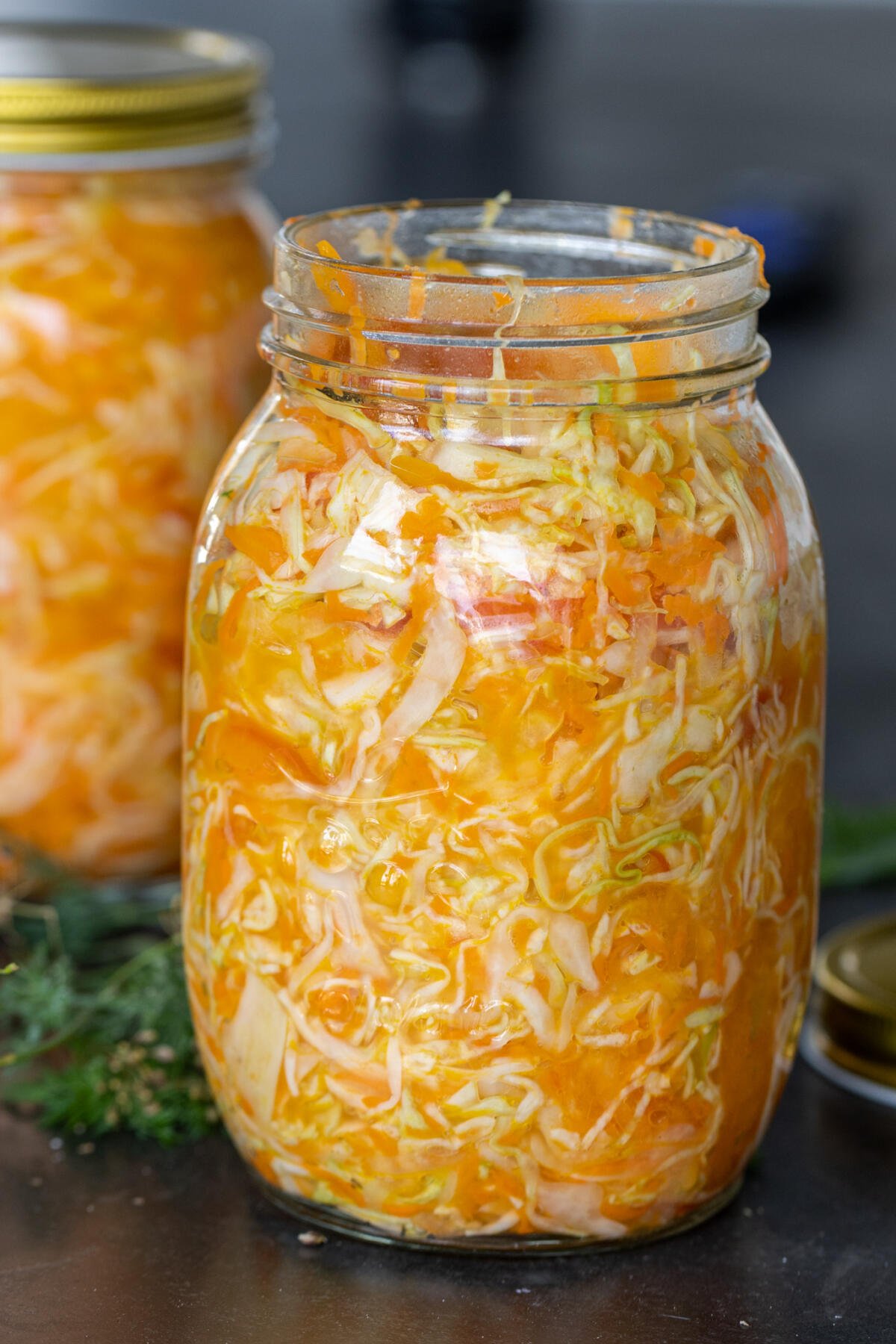
The most representative custom is northern pickled cabbage. In old Beijing and across the northeast, households pickle suan cai, or sour cabbage, around Xiaoxue. The method is simple and has barely changed: strip the outer leaves from a big Chinese cabbage, wash it, let it air-dry for half a day, pack it into a large earthen jar, sprinkle a handful of salt over each layer, press a big stone on top, and pour in cooled boiled water until the cabbage is submerged. After twenty days or so, the pickled cabbage is ready. Shredded and stewed with fatty pork, or folded into dumplings, it becomes the star of the winter table. In Tianjin and Shandong, the same low-temperature lactic fermentation is used for pickled mustard greens and radish tops, preserving vegetables while adding a sour, appetizing note.
Dried Fish in the Southern Water Towns
In the water towns of Zhejiang, Jiangsu, and Anhui, Xiaoxue is the season for drying fish. As temperatures fall and the wind turns dry, fishermen split crucian carp and bream, remove the innards, rub them with salt, and hang them on bamboo poles. After three to five days the flesh tightens and the surface takes on a sheen of oil, and the result keeps for months. A plate of steamed salted fish with rice at New Year is still an essential dish at many Jiangnan family reunion dinners.
Sticky Rice Cakes in the South
One more custom deserves a mention: in parts of Fujian, Jiangxi, and Hunan, families make ci ba, sticky rice cakes, around Xiaoxue. Freshly harvested glutinous rice is steamed, pounded into a soft cake, and rolled in soybean flour, dipped in brown sugar syrup, or stuffed with pickled vegetables and minced pork for a savory version. An old saying goes, “In the tenth month, the rice cakes sizzle on the griddle.” Soft and sticky, the cakes symbolize a harmonious life, and in the farming off-season they are a traditional gift exchanged between relatives and neighbors.
A word of caution: not every “Xiaoxue custom” circulating online is genuine. Claims about a grand Xiaoxue lamb feast or a ritual sacrifice to a snow god have no reliable folk record behind them; they are later inventions. The real customs are the ones ordinary people developed from the season itself and the needs of daily life, plain and practical.
Living Well in Early Winter: Warmth, Moisture, and Rest
For daily life at Xiaoxue, the old advice is “go to bed early, get up late, and wait for the sunlight.” That is not laziness; it follows winter’s pattern of inward, stored energy. Nights are bitterly cold and the coldest hour is just before dawn, so an extra half hour in bed gives the body a buffer.
What to Wear
Xiaoxue is when the down jackets and thick sweaters come out of storage. Protect three areas above all: head, neck, and feet. A hat, a scarf, and thick socks look unremarkable, but they are the most effective cold-weather gear you own. In the north, where heating makes the temperature swing sharply when you step into a stairwell, keep a coat handy. In the damp south, a 15 to 20 minute foot soak in water at about 40 degrees before bed warms the body and helps sleep; stop when you break a light sweat.
What to Eat
The seasonal approach is gentle warming food, not heavy tonics. Lamb soup, beef stewed with radish, and chestnut chicken are classic Xiaoxue home dishes: warm, easy to digest, and satisfying. The dry north calls for more water and moistening foods such as pears, tremella fungus, and lily bulbs. The damp south benefits from ingredients like Job’s tears, red beans, and winter melon. Pickles and cured meats are delicious, but they are salty, so a small dish as a side is enough; they should not become the main course at every meal.
How to Move
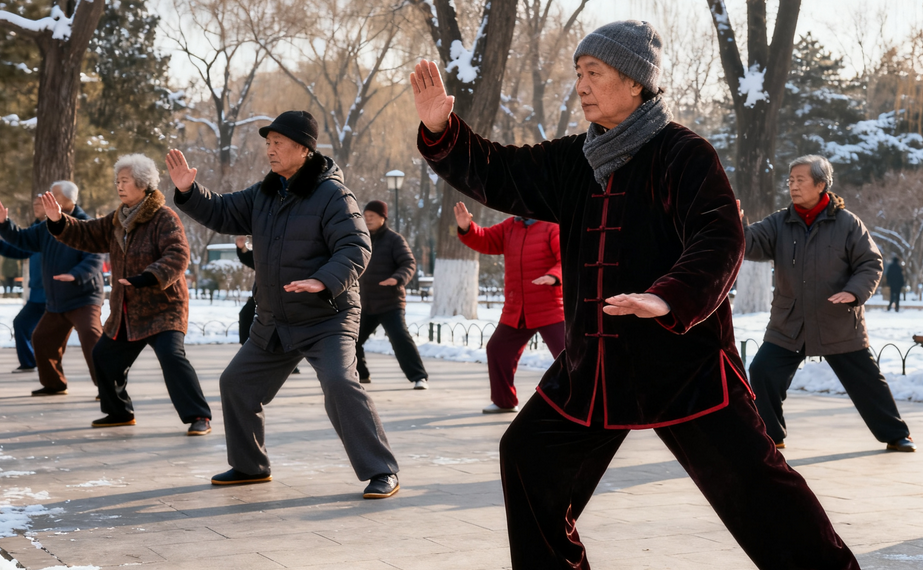
After Xiaoxue, avoid intense exercise that leaves you drenched in sweat, especially on cold mornings. Walking, slow jogging, tai chi, and Baduanjin, a traditional set of eight gentle stretching movements, are all good choices. The best window is between 10 in the morning and 4 in the afternoon, when the sun is out and temperatures are at their highest. After exercising, towel off promptly and add a layer before cold wind hits a sweaty back.
The Cultural Image of Xiaoxue: Snow Falls Silently, Winter Keeps Faith
In Chinese poetry, Xiaoxue is often tied to stillness. The Tang dynasty poet Dai Shulun wrote of snow at Xiaoxue just deep enough to cover the tops of shoes, and the Song dynasty poet Lu You sighed at the first clearing after light snow as the earth’s energy began to return. Snow falls without a sound, and the world grows quiet. Ancient writers understood that quiet as “storing”: all things draw their energy inward, and people should likewise gather their minds and let autumn’s busyness settle.
That wisdom of storing shows up in farming too. By Xiaoxue, winter wheat in the north has been sown, and farmers check soil moisture; snow that melts and seeps into the ground gives the wheat an excellent reserve for spring growth, hence the proverb “heavy snow at Xiaoxue means a bumper harvest next year.” In the Jiangnan region, rapeseed and broad beans are in their growing stage, and moderate cold actually strengthens the rapeseed’s frost resistance. The solar terms were never just marks on a calendar. They are thousands of years of observed experience, and they still guide farming and daily life today.
A Good Way to Spend Xiaoxue
Xiaoxue is not a grand festival. It has none of the excitement of Chinese New Year and none of the reunion rituals of the Mid-Autumn Festival, but it carries a useful reminder: winter is here, and it is time to prepare properly. Check the household’s winter supplies. Have the thick quilts been aired? Is the pickling jar weighted down? Are elderly family members’ warm clothes ready? Adjust the routine: go to bed half an hour earlier, get up a little later, and glance at the temperature before heading out.
This Xiaoxue, try three small things. First, pickle a small jar of vegetables at home, even just a few baby cabbages; twenty days later, when you open the jar, that first sour aroma is the satisfaction of having made something yourself. Second, on a clear morning, take a walk outdoors and look at trees after the first snow and reeds by a lake, and feel the quiet of winter storing itself away. Third, call your parents, wherever they are, and remind them to dress warmly and take care. The meaning of a solar term, in the end, is a reminder to take care of yourself as the seasons change, and to think of the people around you.
This article is cultural education. The customs and seasonal lifestyle suggestions described here are for reference only. If you feel unwell, seek medical care promptly, and do not self-medicate or replace medical treatment with dietary remedies.
Quick Answers
What is Xiaoxue? Xiaoxue, or “Light Snow,” is the twentieth of China’s 24 solar terms, the traditional seasonal calendar that divides the year by the sun’s position. It falls around November 22 and marks the start of the colder half of winter.
Does it actually snow at Xiaoxue? In northern China, usually yes, though lightly, and the snow often melts on landing. In the south, rain is more common, and the term signals cold and damp rather than snowfall.
What do people traditionally do at Xiaoxue? They store food for winter: pickling cabbage in the north, drying fish in the southern water towns, and making sticky rice cakes in parts of the south.
What is the seasonal advice for daily life? Sleep a little earlier and rise a little later, keep head, neck, and feet warm, eat gently warming food, and choose mild exercise in the middle of the day.
Is Xiaoxue a holiday? No. It is a seasonal marker rather than a festival, but its message is practical: winter has arrived, so prepare the home, adjust the routine, and look after yourself and your family.