It is 10:30 p.m. You just got home from a long day, your feet are cold, and your brain is still running through tomorrow’s to-do list. Before you reach for your phone and scroll yourself to sleep, try something simpler: a basin of hot water, twenty quiet minutes, and nothing else to do.
Foot soaking looks almost too simple to matter. In traditional Chinese wellness culture, though, it has been a nightly wind-down ritual for centuries — not as a cure for anything, but as a way to warm the feet, slow the body down, and signal that the day is over. Like any ritual, the details matter: the wrong temperature or the wrong timing can leave you wide awake instead of relaxed. This guide covers exactly how to get it right.
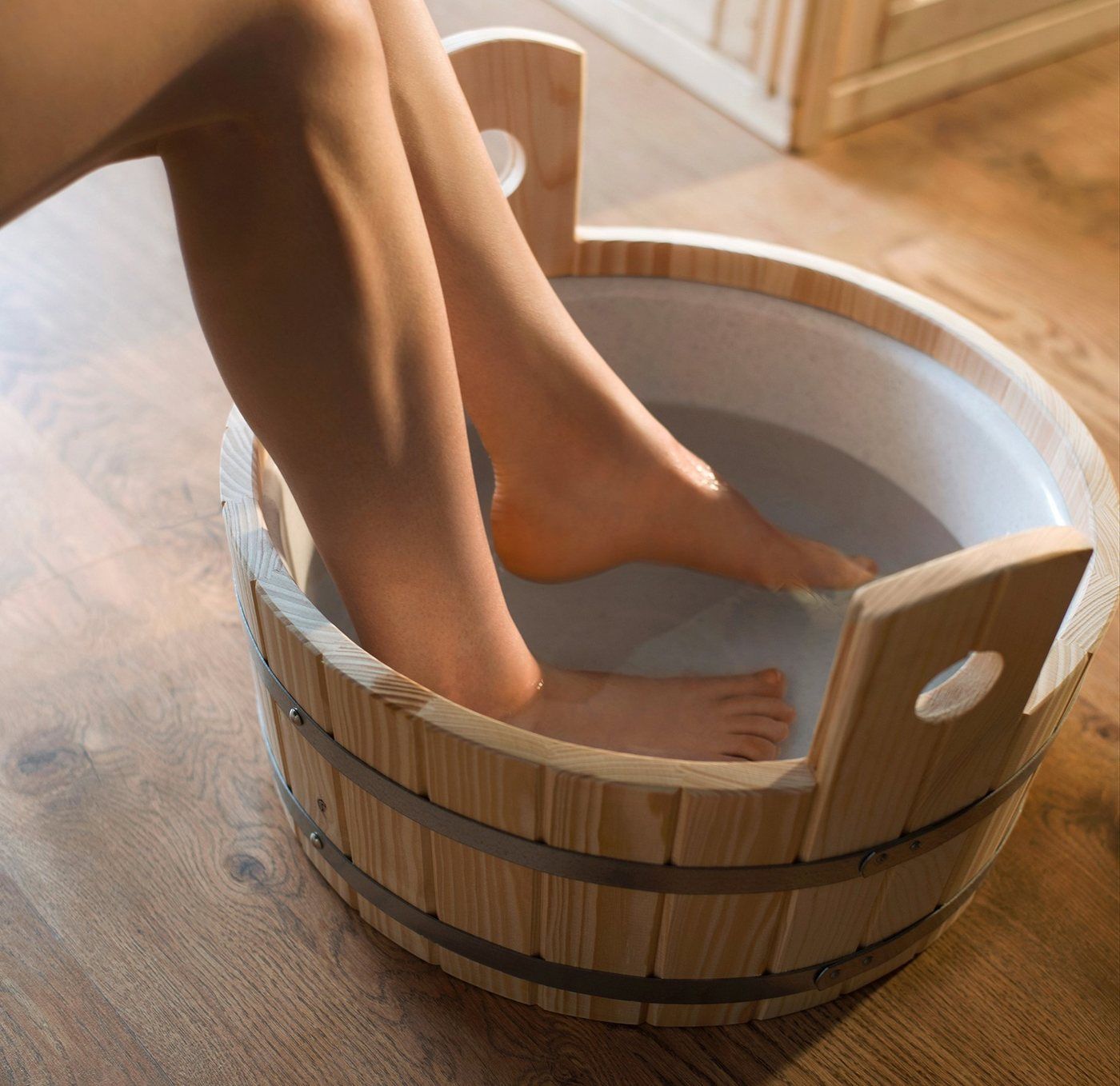
Water Temperature: Stay Between 38 and 42 Degrees Celsius
The sweet spot is 38 to 42 degrees Celsius (100 to 108 degrees Fahrenheit). Below 38, the water feels lukewarm within minutes and cools off before you have relaxed at all. Above 43, the skin on your feet — especially the thin skin across the top of the foot — can redden and blister before you realize it is too hot.
You do not need a thermometer for a rough check. Dip the inside of your elbow into the water: it should feel warm but not sharp or stinging. Your feet are actually more sensitive than your palms, so on your first try, touch the water lightly with the top of your foot before stepping in fully.
When the water cools mid-soak, do not pour boiling water straight into the basin while your feet are still in it. Lift your feet out, pour hot water slowly along the side of the basin, stir it in by hand, and wait until the temperature is even before putting your feet back. Keep the water level about 10 centimeters above your ankles — just covering the inner ankle bone. That depth warms the soles and the area around the ankles at the same time, without making the soak feel stuffy from water that is too deep.
How Long, and How Often
Fifteen to twenty minutes per soak is the right range. Stop when your forehead is slightly damp and your back feels warm. A light sweat is the signal to finish — not a full-body drench. Sweating heavily before bed loses water fast, and you may end up thirsty, restless, or oddly tired the next morning.
If you feel dizzy or tight in the chest after only ten minutes, take your feet out right away, drink half a glass of warm water, and sit still for a few minutes. That is your body telling you the water or the duration was already too much for that session.
For frequency, once a day, thirty to sixty minutes before bed, gives the most consistent result. If you go to bed at 10 p.m., start soaking around 9:30. Dry your feet, put on socks, and climb into bed while the warmth is still there — most people fall asleep faster this way than if they soak and then jump straight under the covers. Missing a night or two while traveling or working late is no reason to “make up” for it. This is a daily habit, not a quota. Four or five nights a week is already a solid routine.
Add-Ins: Ginger, Mugwort, and Sichuan Pepper
Plain warm water is enough for most people. If you want variety, pick one traditional add-in based on how you feel — never mix several herbs together in one soak.
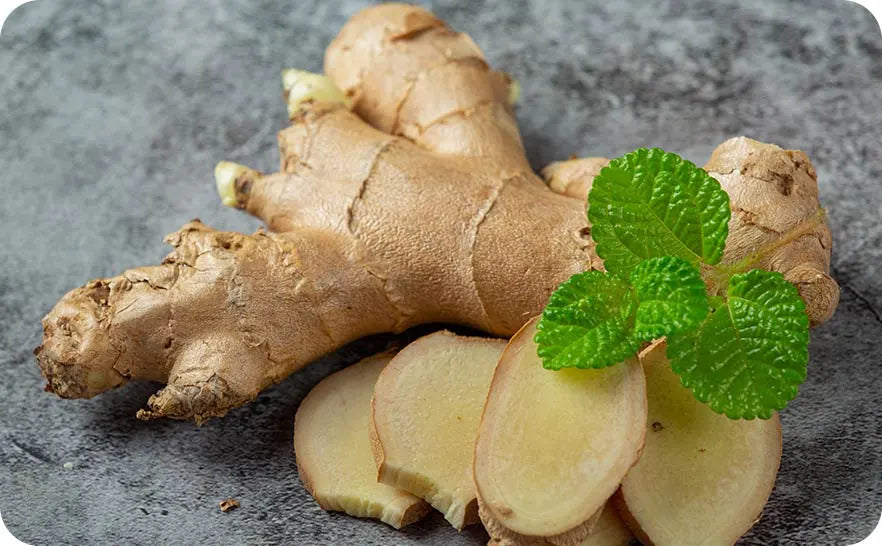
- Ginger: Best for people whose feet stay cold no matter the season. Crush two or three slices of fresh ginger, boil them in cold water for 10 minutes, then mix the ginger water into your basin. The warmth tends to linger in the soles well after you get into bed. Skip ginger water if you have broken skin or inflamed, reddened feet — it will sting.
- Mugwort (ai ye): A good fit for cold, damp autumn and winter evenings when your body feels heavy and your joints dislike the cold. Simmer a small handful of dried mugwort, about 15 grams, for 15 minutes and add the strained liquid to the basin. The herbal scent fills the room, which makes it a nice slow-weekend-evening option. Mugwort is warming and drying by nature, so pause it on days when your mouth is dry or you have mouth sores.
- Sichuan pepper: Suited to feet that sweat a lot or deal with recurring athlete’s foot. Boil about 20 peppercorns, strain, and mix in. It is stronger than ginger or mugwort, so if your skin is sensitive, start with half the amount and only ten minutes, then extend the time if there is no stinging.
Whichever add-in you choose, always boil it first and strain the liquid. Tossing raw herbs directly into hot water releases very little of their active compounds and leaves residue stuck to your feet. Mix the herbal liquid with plain hot water at roughly a one-to-two ratio, and keep the final temperature at or below 42 degrees.
Who Should Skip It, or Soak With Extra Care
Foot soaking is not for everyone. If any of the following apply to you, take extra care or check with a doctor first.
- Diabetes, especially diabetic foot: Long-term high blood sugar can damage the nerves in your feet, dulling your sense of temperature. Water at 42 degrees may feel like nothing at all while quietly causing a low-temperature burn. Always measure with a thermometer, keep the water at or below 38 degrees, limit the soak to ten minutes, and inspect your soles and toe gaps afterward for redness or broken skin.
- Varicose veins or venous thrombosis: Hot water dilates blood vessels and adds to the load on veins that are already struggling. For people with blood clots, faster circulation can raise the risk further. A brief rinse in lukewarm water is a safer substitute.
- Open wounds, ulcers, or severely cracked athlete’s foot: Hot water and herbal soaks irritate broken skin, slow healing, and can carry bacteria into the wound. Wait until the skin has fully healed and any scabs have come off before resuming.
- Heart or cerebrovascular conditions: Soaking draws blood toward the legs, which means relatively less blood flow to the heart and brain for a while. Keep the water at or below 40 degrees and the soak under 15 minutes, have someone nearby if possible, and stand up slowly afterward — getting up too fast is when dizziness strikes.
- Pregnancy: In the first and third trimesters, long hot soaks are best avoided. Around 38 degrees for ten minutes is a safer range, and herbal add-ins like mugwort should be left out.
- Children: Young skin is thinner and children’s temperature regulation is weaker. Water at 37 to 38 degrees for ten minutes is plenty, with no add-ins at all.
A Comfortable Soak, Step by Step
Pick a basin deep enough to cover your ankles. A wooden basin holds heat better than plastic, so the water cools more slowly. Start with cold water and add hot water until the temperature is right, or mix the water first and confirm with a thermometer. Sit on a chair at a height that lets your knees bend at roughly a right angle, with your feet flat on the bottom of the basin. Keep a dry towel and a glass of warm water within reach, and sip the water during the soak to replace what you lose through sweating.
When you finish, do not stand up immediately. Wiggle your toes in the water for a moment, then lift your feet out slowly and dry them thoroughly — soles and toe gaps included. Damp skin between the toes is one of the most common reasons athlete’s foot keeps coming back, so this drying step matters as much as the soak itself. After drying, spend two minutes rubbing the soles gently, pushing from heel toward toes with comfortable pressure. Then put on clean socks. If it is winter, you can sleep in the socks; the extra warmth lasts through the night.
Quick Answers
What temperature should the water be? 38 to 42 degrees Celsius for most adults. If you have diabetes, heart disease, or reduced sensation in your feet, stay at 38 degrees or below and use a thermometer.
How long should I soak? Fifteen to twenty minutes, stopping at a light sweat. Ten minutes is the safer limit for children, pregnant women, and people with diabetes or heart conditions.
Do I need to add anything to the water? No. Plain water works fine. Ginger suits chronically cold feet, mugwort suits cold, heavy winter evenings, and Sichuan pepper suits sweaty feet — but use only one at a time, always boiled and strained first.
When is the best time? Thirty to sixty minutes before bed. Soaking right before you lie down can leave you too warm to fall asleep; the half-hour gap lets your body settle.
Can I soak every night? Yes, and four to five nights a week is already a good habit. Skipping a night needs no make-up session.
What if I feel dizzy during a soak? Take your feet out immediately, drink warm water, and sit still. Dizziness means the water was too hot or the soak too long for that day.
The whole routine comes down to three numbers: 38 to 42 degrees, 15 to 20 minutes, stop at a light sweat. Plain water is the baseline; ginger, mugwort, or Sichuan pepper are occasional variations, not daily requirements. And if you have diabetes, varicose veins, broken skin, or a heart condition, check with a doctor before making it a habit. Stick with it for two weeks and many people notice they fall asleep faster and wake up less often with cold feet.
Tonight, try it once: at 9:30, fill a basin to 40 degrees, put your phone aside, and soak quietly for 15 minutes. Relaxation does not need a complicated ritual. Sometimes a basin of hot water is enough.
Disclaimer: This article is for general wellness information only and is not a substitute for medical advice. It makes no claim of therapeutic effect. If you have broken skin, unusual foot sensation, diabetes, cardiovascular disease, or venous conditions, consult a doctor before soaking. Stop immediately and seek medical attention if you experience dizziness, chest tightness, stinging skin, or burns during a soak.