It is 2 a.m. in late October. The house is quiet, the room is dark, and you are wide awake. You were exhausted when you got into bed, but now your mind is replaying the day, and every time you nearly drift off, another vivid dream pulls you back. By morning, you feel worse than you did the night before — as if you never slept at all.
If this sounds familiar, you are not alone. Autumn and winter change the rules of sleep: days get shorter, nights get longer, and your body shifts into a slower seasonal rhythm while your sleep somehow fails to keep up. The good news is that most autumn and winter sleep trouble responds to small, practical changes in daily routine and diet — no expensive gadgets, no complicated programs. Here are five adjustments you can start tonight.
1. Fix Your Wake-Up Time, Not Your Bedtime
Most people trying to sleep better start by telling themselves, “Tonight I will go to bed early.” Then they lie in the dark, wide awake, watching the clock. The problem is that your sleep rhythm is anchored by when you wake up, not when you go to bed.
Pick one wake-up time and keep it every day, weekends included, within about 30 minutes. If you choose 7 a.m., stick with it for two weeks. In most cases, your body will start feeling naturally drowsy around 10:30 p.m. on its own — a far more reliable result than staring at the ceiling trying to force sleep.
The first minutes after waking matter too. Open the curtains and get 10 minutes of daylight, or step onto the balcony for a moment. Morning light is the strongest signal that tells your body daytime has begun, and it sets the timer for sleepiness roughly 14 to 16 hours later.
Naps need the same discipline. A nap between 1 p.m. and 3 p.m., lasting 20 to 30 minutes, is genuinely refreshing. Go past 40 minutes, or nap after 4 p.m., and you will pay for it at night. Set an alarm, get up when it rings, and do not let a nap turn into a second night’s sleep.

2. Give Your Brain an Hour to Power Down
Long autumn and winter evenings invite a familiar habit: scrolling through short videos in bed until midnight. The screen keeps your brain in high gear, so even when you finally put the phone down, your mind is still running. An hour before bed, make three changes: charge your phone in another room, dim the bedroom lights, and change into loose sleepwear.
Fill that hour with low-stimulation activities instead. A warm foot soak, a few pages of a paper book, gentle music, or five minutes of easy stretching all work. For the foot soak, use water around 40 degrees Celsius for 15 to 20 minutes — warm enough that your feet feel pleasantly heated, not so hot that you break into a sweat.
Bedroom temperature matters more than most people realize. In autumn and winter it is tempting to turn the heating up high, but a stuffy, overheated room actually makes sleep lighter and more broken. Aim for 18 to 22 degrees Celsius, with a blanket that is warm but not heavy. If your feet tend to get cold, a pair of thin cotton socks in bed solves the problem without overheating the whole room.
3. Eat Dinner Right, and Dreams Get Quieter
Autumn and winter dinners tend to be generous: hot pot, braised meat, a late-night snack on top. Eat until you are stuffed, and your stomach is still working hard hours later — which keeps your brain restless, brings on vivid dreams, and wakes you early. Try to finish dinner at least three hours before bed, eat until you are about 70 percent full, and keep it light on oil and spice.
Some foods suit autumn and winter evenings particularly well. Millet porridge, lotus seeds, lily bulbs, red dates, and pumpkin are staples of Chinese food therapy — the traditional practice of choosing everyday ingredients for their warming, calming, or nourishing qualities. A bowl of thick millet porridge with a small plate of light vegetables makes a genuinely settling dinner. Lotus seeds simmered with white fungus (tremella) make a soft, soothing evening snack.
Equally important is what to avoid. Skip strong tea, coffee, milk tea, and energy drinks in the four hours before bed. Alcohol deserves special mention: it may help you fall asleep faster, but it fragments the second half of the night, so you wake up feeling even more tired. Spicy, greasy, and very sweet foods are better saved for lunch.

4. Move During the Day to Sleep Deeply at Night
Cold weather makes it easy to spend the whole day indoors, barely moving. But if your body has not used up any energy during the day, it has little reason to feel sleepy at night. About 30 minutes of moderate activity a day is enough, and it does not require a gym: brisk walking, cycling, housework, and climbing stairs all count.
Here is a seasonal rhythm that works well. Walk briskly in the park between 9 a.m. and 10 a.m. for 30 minutes — you get exercise and sunlight in one trip. In the afternoon, do a gentle set of Baduanjin (the Eight Brocades, a traditional Chinese stretching and breathing routine) or simple stretches to loosen stiff joints. After dinner, a 20-minute slow walk aids digestion and eases your body toward rest.
One timing rule: avoid vigorous exercise in the two hours before bed. Running, ball games, and intense workouts raise your core temperature and alertness, pushing sleep later. Before bed, only gentle stretching and slow walking belong in the routine.
5. Stop Fighting Your Dreams — Write Them Down Instead
Many people panic the moment they dream, thinking, “I slept badly again.” The more you worry about it, the worse you sleep. Dreaming is a normal part of sleep, and with longer winter nights, you simply have more opportunity to dream. Not every dream is a problem to fix.
Try this instead: keep a small notebook by the bed. When you wake up, spend two minutes jotting down the rough outline of any dream and how you slept — for example, “Slept at 11 p.m., two dreams, woke up a bit tired.” After a week of notes, patterns emerge. Maybe you slept badly on the nights you ate dinner late, or on the nights you scrolled your phone in bed. Once you can see the cause, you can change it.
If the same dream keeps returning, or you wake up with a racing heart or sweating, do not frighten yourself. Observe for a few days first. For most people, these symptoms ease once sleep routine and diet are adjusted. Writing things down is itself a form of relief: once a thought is on paper, your brain no longer has to spend the whole night holding on to it.
Three Small Things to Start Tonight
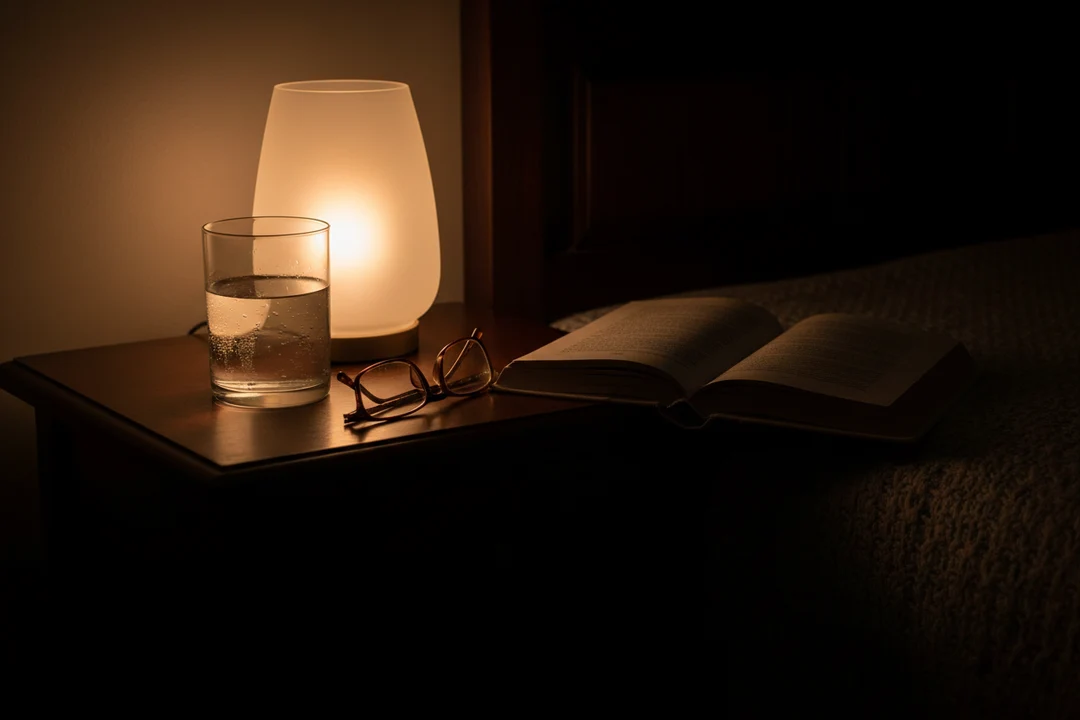
You do not need to overhaul everything at once. Tonight, do just three things: set your alarm for 7 a.m. tomorrow and plan to get sunlight right after waking; finish dinner before 7 p.m. and stop at 70 percent full; put your phone in another room an hour before bed and soak your feet before getting under the covers. After a week, most people notice they fall asleep faster and wake up fewer times during the night.
If, after two weeks of consistent changes, you still struggle to fall asleep every night, feel severely drowsy during the day, or notice symptoms such as a racing heart, chest tightness, or low mood, consider visiting a sleep clinic or a relevant medical department to find the real cause.
Quick Answers
What time should I wake up? Pick one fixed time — 7 a.m. works for most people — and keep it within 30 minutes every day, including weekends. A regular wake-up time is the single most effective way to reset your sleep rhythm.
How long should I nap? Twenty to 30 minutes, between 1 p.m. and 3 p.m. Longer naps, or naps after 4 p.m., steal sleep from the night ahead.
What should I eat for dinner? Finish at least three hours before bed, eat until 70 percent full, and favor gentle foods like millet porridge, lotus seeds, and pumpkin. Avoid strong tea, coffee, alcohol, and heavy, spicy meals in the evening.
Why am I dreaming so much in autumn and winter? Longer nights mean more sleep cycles and more chances to dream. Dreaming itself is normal; it only becomes a concern when paired with persistent daytime exhaustion or other symptoms.
When should I see a doctor? If sleep problems persist beyond two weeks despite routine and diet changes, or if you experience a racing heart, chest tightness, breathlessness, or low mood, seek professional medical advice rather than relying on self-care alone.
What about qi and blood? In traditional Chinese medicine, “qi and blood” (qi xue) describes the body’s vital energy and nourishment, which are believed to circulate best during restful sleep. You do not need to master the theory — regular sleep, gentle movement, and warming foods are the practical ways this tradition supports rest.
Disclaimer: This article is for general daily routine and dietary reference only. It does not promise any therapeutic effect and is not a substitute for professional medical advice. If you experience long-term or severe insomnia, please consult a doctor promptly and follow medical guidance for examination and treatment.