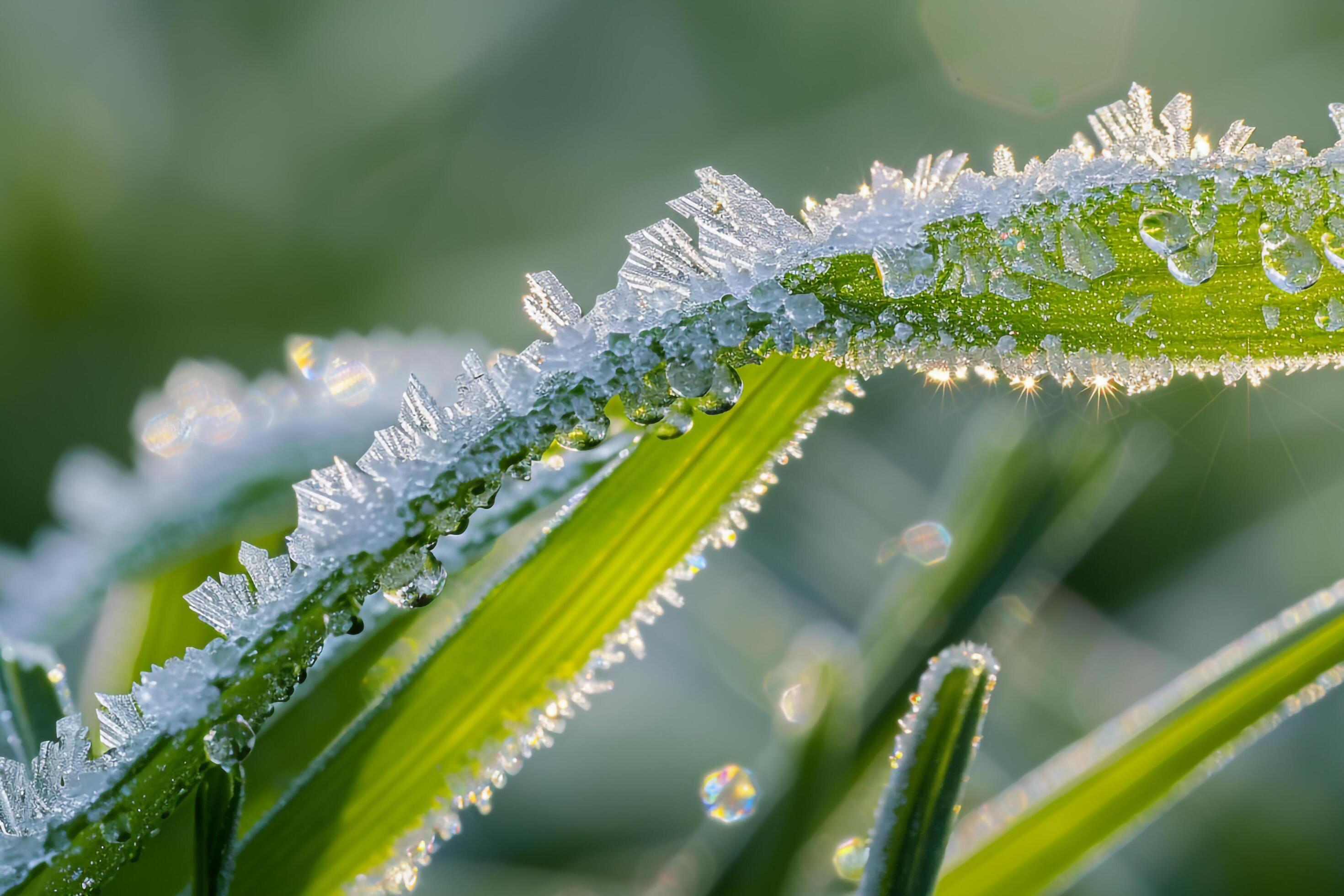
You push the window open at six in the morning, and the lawn is dusted in white, as if someone scattered a handful of salt in the night. You crouch and touch it — a cold bite on your fingertips. This is Frost’s Descent, the 18th of China’s 24 solar terms, falling around October 23 each year. Autumn has reached its final station.
The Last Stop of Autumn
Of the 24 solar terms, Frost’s Descent is autumn’s closing chapter. It usually arrives on October 23 or 24, when the sun reaches 210 degrees of celestial longitude. The ancients named it with characteristic bluntness: “The air turns solemn and congeals; dew freezes into frost.” The sun still shines by day, but by night the cold is already strong enough to frost the dew.
The Ming-dynasty compendium Collected Explanations of the Seventy-Two Pentads puts it this way: “In the ninth lunar month, the air turns solemn and congeals, and dew hardens into frost.” From the Beginning of Autumn to Frost’s Descent is a full three months — autumn completing its entire journey. What comes next is the Beginning of Winter, so the ancients treated Frost’s Descent as a threshold: autumn on one side of the door, winter on the other.
Notably, it is the only autumn term named after frost itself. Frost, unlike snow, makes no grand entrance. It forms quietly in the hour before dawn and melts as the sun rises. In that detail the ancients felt a precise sensation of transition — “cold without ferocity.” Winter has not yet unleashed itself, but the chill has already learned to knock.
The Three Pentads: Reading Winter in Grass and Trees
Each solar term was traditionally divided into three pentads — five-day periods that track subtle changes in nature. Frost’s Descent’s three pentads are the jackal holds its “sacrifice,” plants yellow and shed, and hibernating insects bow low. Twelve Chinese characters that contain an entire method of reading nature.
First Pentad: The Jackal Holds Its “Sacrifice”
The jackal is one of the larger canids of East Asia, and autumn is its peak hunting season. The ancients noticed that after a successful hunt, the jackal would lay its prey out on the ground in a neat circle, as if arranging offerings. Hence “the jackal holds its sacrifice.”
Behind the poetry lies winter preparation: as temperatures drop and prey grows scarce, the jackal must bank strength while it can. Laying prey in a circle may be a form of caching food. The ancients read reverence into it — even a wild beast, they felt, knew gratitude for autumn’s bounty, and humans should too.
Second Pentad: Plants Yellow and Shed
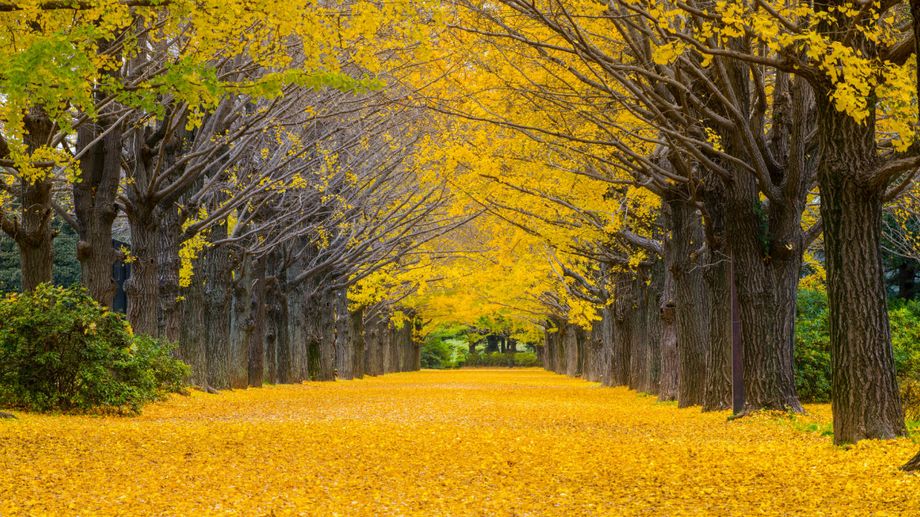
Around Frost’s Descent, leaves turn yellow and fall in great drifts — paulownia, ginkgo, maple shifting from green to gold to red. The ancients made “yellowing and falling” the second pentad because it is autumn’s most legible visual signal.
Falling leaves are not death; they are self-protection. Shedding foliage drastically cuts water loss, and trees pull their nutrients back into the roots to outlast the cold. The Ming essayist Zhang Dai once described watching autumn leaves fall as “watching a grand farewell” — beautiful, yes, but beneath the beauty lies pure survival wisdom.
Third Pentad: Hibernating Insects Bow Low
By the last five days of the term, small insects have burrowed into their holes and bent their heads into dormancy. The cicadas have long fallen silent, and the crickets’ song is thinning out. The earth grows quiet all at once.
Read together, the three pentads paint one complete picture of late autumn: beasts stocking food, trees dropping leaves, insects bowing into sleep. The ancients had no thermometers and no weather satellites — only eyes to watch and ears to listen — yet they read the season’s turning with remarkable precision. This “reading of the sky” is the accumulated inheritance of millennia of agrarian civilization.
Folk Customs: Eating Autumn Itself
Folk customs around Frost’s Descent cluster around two pleasures: eating and looking. There is a down-to-earth honesty in them.
Admiring chrysanthemums. The chrysanthemum is autumn’s emblem, and it blooms most gloriously right around Frost’s Descent. The ancients loved it for its “unbending before frost” character. The Eastern Jin poet Tao Yuanming, “plucking chrysanthemums beneath the eastern fence,” was picking them in exactly this season. Chrysanthemum shows are still held across China at this time, with hundreds of pots bearing names like “Green Peony,” “Ink Lotus,” and “Commander’s Flag” — enough to keep a visitor wandering all afternoon.
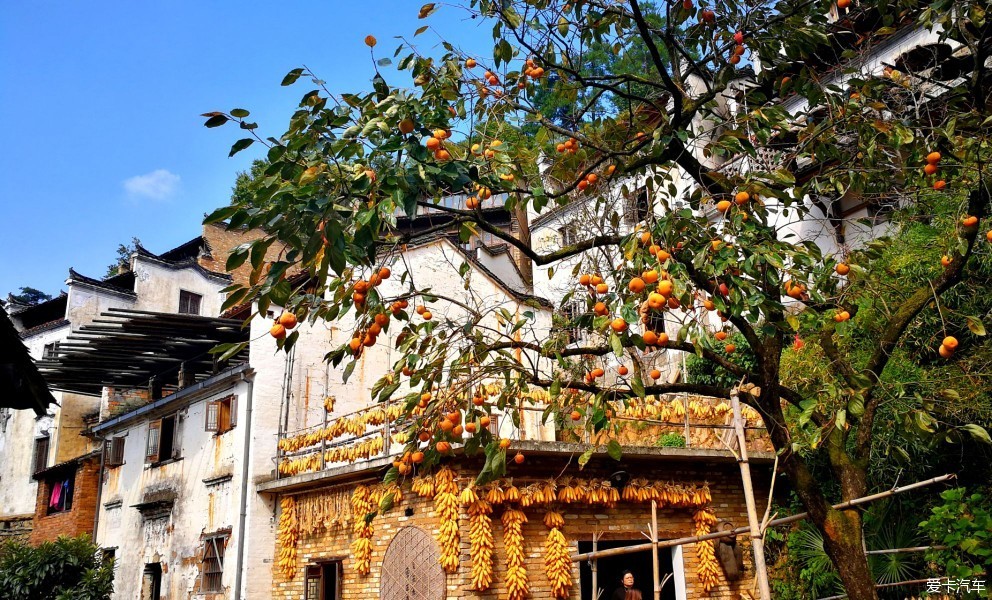
Eating persimmons. A folk saying goes: “Eat persimmons at Frost’s Descent, and your nose will never run.” After the first frost touches them, persimmons lose their astringency and turn silkily sweet. The old wisdom held that a few persimmons in autumn would keep lips from cracking and noses from bleeding through winter. Nutritionally, persimmons are rich in vitamin C and carotene, so eating them now is genuinely in season. One caveat from the old wisdom: persimmons are cooling in nature, so eat less of them on an empty stomach or if you tend to feel cold easily.
Climbing high. Frost’s Descent falls in the crispest days of autumn, and there is a custom of climbing hills to gaze far. Stand on a summit and take in the layered forests, collecting the whole panorama of autumn in your eyes — exercise and farewell in one gesture. Say a proper goodbye to autumn, and winter arrives with no regrets.
Sending winter clothes. In parts of northern China, Frost’s Descent brings the custom of “sending winter clothes” to departed ancestors — visiting graves and burning paper clothing, as if to say, “It is getting cold; here is something warm for you below.” The ritual weaves seasonal awareness and remembrance together with tender care.
Harvest and Store: The Ancients’ Time Management
In farming, Frost’s Descent is a hard deadline. The Book of Rites speaks of “harvest in autumn, store in winter,” and Frost’s Descent is exactly the line between the two. Crops had to be gathered before it arrived — one frost could ruin late rice, sweet potatoes, and cotton. Once harvested, grain went into the granaries to dry, the fields rested, and people slowed down too.
That rhythm still applies, even if you have no fields to tend. Borrow the ancients’ wisdom of “harvest” and “store”: harvest means taking stock of what the year has gathered — the books read, the projects finished, the savings put aside; store means setting aside reserves for winter, the season of lowest energy — caring for your health, keeping a little savings, steadying your mind.
Keeping the solar terms, at heart, was a way of balancing the books with time. Sow at the Beginning of Spring, grow through the Summer Solstice, harvest at Frost’s Descent, lie dormant at the Winter Solstice — the year had a legible rhythm. Today we are pushed around by phone notifications and deadlines and have lost that rhythm. Frost’s Descent reminds us: slow down and gather in, so that you can go further.
Three Small Things for Tonight
Solar-term culture is not a museum exhibit; it is meant to be lived. On the evening of Frost’s Descent, try these three small things:
- Add a layer of clothing. Don’t tough it out — the day-night temperature swing can exceed ten degrees this week. The ancients “sent winter clothes” to the departed; adding one for yourself and your family follows the same spirit.
- Eat a seasonal persimmon or drink a bowl of warm soup. Taste autumn with your tongue. Just avoid eating persimmons on an empty stomach or in large quantities alongside high-protein food — your stomach will protest.
- Check tomorrow’s almanac. Our huangli almanac tool shows each day’s favorable and forbidden activities, stems and branches, and clashes — a small daily ritual the ancients left behind.
The frost has come, and autumn is leaving. Don’t waste the last page of this autumn — step out to look at the falling leaves, come home for a bowl of hot soup, and live the days well. When winter arrives, your heart will be warm.
Quick Answers
When is Frost’s Descent? Around October 23–24 each year, when the sun reaches 210 degrees of celestial longitude. It is the 18th of the 24 solar terms and the last of the six autumn terms.
What are the “three pentads” of Frost’s Descent? Ancient China divided each 15-day solar term into three five-day pentads to track nature’s changes. For Frost’s Descent they are: the jackal caching its prey, plants yellowing and shedding leaves, and insects bowing into dormancy.
What do people traditionally eat at Frost’s Descent? Persimmons, which turn sweet and non-astringent after the first frost, and chrysanthemum-based treats. Avoid eating persimmons on an empty stomach.
Is Frost’s Descent a good time to climb mountains? Yes — the clear autumn air makes it ideal for hill climbing, and the custom is to gaze at the autumn foliage and bid the season farewell.
What is the deeper meaning of “harvest in autumn, store in winter”? Beyond farming, it is a life rhythm: take stock of the year’s gains before winter, and set aside reserves of health, savings, and steadiness for the cold months ahead.