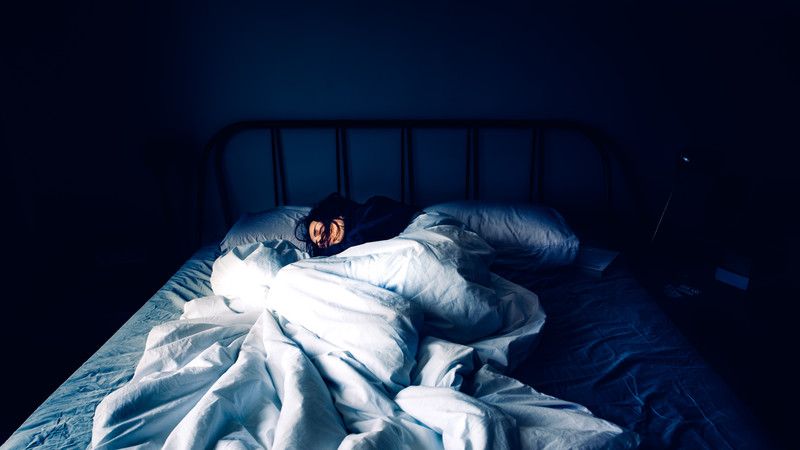
6:30 in the morning. Your alarm goes off for the second time. Outside the window it’s pitch dark, and across the courtyard only a few scattered lights are on. You pull the blanket tighter, thinking: it’s not that I don’t want to get up — my body genuinely can’t. This struggle plays out on nearly every autumn and winter morning.
Your body isn’t lying. Over two thousand years ago, China’s oldest medical classic, the Huangdi Neijing (the Yellow Emperor’s Inner Classic, a foundational text of traditional Chinese medicine), already gave us timeless advice for exactly this season: “Nourish yin in autumn and winter” — go to bed early, rise late, and don’t get up until after sunrise. Ancient Chinese wellness thinkers had already explained why we can’t get up on cold mornings.
Why Autumn and Winter Demand Extra Sleep Protection
Traditional Chinese medicine views the year as a cycle of rising and falling energy. In Chinese thought, yin and yang are the two complementary forces that shape everything — yang is active, outward, and warm; yin is quiet, inward, and restful. In spring and summer, yang is at its peak, expanding outward. In autumn and winter, yang retreats inward, and the body enters a quiet, storing mode — this is what “nourishing yin” means: letting energy move inward, downward, and into stillness. Sleep is the deepest form of stillness there is.
The short winter days aren’t a coincidence: as daylight shrinks and nights stretch, the human body naturally adjusts its rhythm. Studies have found that people in northern regions sleep about 40 minutes longer in winter than in summer on average. That’s not laziness — it’s the body’s normal response to the season. Fighting that rhythm by staying up late and forcing yourself awake early is like opening every window in winter and letting the heat escape: you’re spending down your own reserves.

Melatonin and Light: Modern Science Says the Same Thing
Modern sleep science speaks the language of hormones and light. Melatonin is the body’s signal molecule that tells the brain “it’s time to sleep” — it surges after dark and peaks in the small hours before dawn, which is why 2 to 4 a.m. is the deepest stretch of sleep for most people.
Light is melatonin’s on/off switch. Within 30 minutes of waking, enough natural daylight cuts melatonin levels roughly in half, raising body temperature and alertness — that’s why sunlight wakes you up faster than anything. Conversely, the blue glow of a phone screen late at night tricks the brain into thinking it’s still daytime, delaying melatonin release and pushing bedtime later.
In autumn and winter, the shorter days mean darkness falls earlier, so melatonin’s rise comes earlier — you naturally feel sleepy sooner. The later sunrise means morning light arrives late, so the body’s “wake-up signal” runs late too. Craving more sleep in cold months is entirely physiological. The ancient advice — “go to bed early, rise late, wait for the sunlight” — translates into modern terms as: follow your melatonin curve to bed, and let the morning sun wake your body up.
A Morning-Light Routine That Actually Works
If your bedroom stays dark past your alarm, the wake-up signal has to be created on purpose. Open the curtains the moment you get up and stand by the window for 5 to 10 minutes — even on an overcast day, outdoor light is many times brighter than indoor lighting. Can’t get to a window? A daylight lamp at the breakfast table is a workable substitute. At night, do the reverse: dim the lights after dinner and keep screens out of the last hour before bed, so darkness can start the melatonin clock.
A Sensible Autumn-Winter Sleep Schedule
Blending the traditional guidance with sleep research, here’s a routine worth trying in the cold months:
- Bedtime: get into bed between 10 and 11 p.m. Winter nights come early and so does drowsiness — don’t force yourself to stay up past midnight. Around 11 p.m. is when most people’s melatonin secretion is at its strongest; miss that window and you’ll toss and turn.
- Wake time: 6:30 to 7:30 a.m., and whenever possible “wait for the sunlight” — open the curtains right after getting up and let morning light hit your face for 5 to 10 minutes. It works far better than a strong cup of tea.
- Duration: 7 to 8.5 hours. That’s what most adults need; chronic sleep under 7 hours weakens immunity — a real problem in the cold-and-flu season of autumn and winter.
- Napping: a short midday nap of about 20 minutes is fine, but keep it under 30 minutes or you’ll feel groggier in the afternoon and struggle to fall asleep at night.
Bedtime habits deserve the same care. There’s an old Chinese saying, “don’t sleep with your head under the covers” — burying your face in the blanket starves you of fresh air and only makes sleep worse.
The Hour Before Bed: A Simple Wind-Down Ritual
The last hour of the evening decides how fast you fall asleep. Switch your phone to Do Not Disturb — or better, leave it outside the bedroom — and replace scrolling with slower inputs: a paper book, a warm foot soak, or gentle stretching. Foot soaking is a traditional favorite for a reason: warm water draws blood toward the feet, which helps core body temperature drop — and that temperature dip is one of the physiological triggers for drowsiness. Avoid heavy meals, strong tea, or coffee within two hours of bed, since digestion and caffeine both raise alertness exactly when you need it to fade. Keep the bedroom between 18 and 22°C (64–72°F); a slightly cool room actually makes it easier to fall asleep. The ritual works because it’s repetitive — after a week of the same sequence, your body starts powering down at the first step.
Build a “Little Winter” in Your Bedroom
The ideal sleep environment mimics the natural qualities of an autumn or winter night: dark, cool, and quiet.
- Dark: block the light. Street lamps and billboards don’t dim for winter, so blackout curtains or an eye mask protect your melatonin from being disrupted in the middle of the night.
- Cool: 18 to 22°C is the sweet spot for most sleepers — slightly cool air means warmer hands and feet and deeper sleep. A room heated to 26°C will instead have you waking up parched at 3 a.m.
- Quiet: winter wind and rattling heating pipes can shatter light sleep; earplugs or a white-noise machine are simple fixes.
- Humidity: in centrally heated homes in the north, indoor humidity often drops below 30%. A humidifier bringing it to 40–60% keeps airways from drying out and reduces night-time coughing.
Putting It Together: Give Sleep Back to the Season
Autumn and winter sleep wisdom comes down to one line: don’t fight the season. When night falls, go to bed early; when morning comes, rise after the sun; let light set your alarm clock. The ancients said “nourish yin in autumn and winter,” modern science says “follow the melatonin curve” — same truth, different words: your body and the seasons run on one rhythm, and going with it takes the least effort.
Try it tonight: put the phone down before 11, draw the blackout curtains, set the room to about 20°C. Tomorrow morning, open the curtains first thing and give the sunlight five minutes. You won’t feel a transformation in one day — but keep it up for two weeks, and much of that autumn-morning struggle to get up will quietly disappear.
Quick Answers
Is it normal to feel sleepier in winter? Yes. Shorter days shift melatonin release earlier and delay morning light exposure, so the body genuinely needs more sleep. Studies show northerners sleep roughly 40 minutes longer in winter — it’s seasonal biology, not a character flaw.
What time should I go to bed in autumn and winter? Aim for 10–11 p.m., when melatonin secretion peaks for most people. Going to bed late and sleeping in doesn’t deliver the same quality — the hormonal timing matters more than the total hours.
Does opening the curtains in the morning really help? Yes — morning daylight within 30 minutes of waking can cut melatonin levels roughly in half, signaling your body to switch into wake mode. In the traditional phrasing: “wait for the sunlight” before starting your day.
Can I catch up on winter sleep debt with a weekend lie-in? Partially, but consistency wins. A steady 7–8.5 hours every night beats five short nights plus a marathon weekend — irregular sleep confuses the very rhythm you’re trying to restore.
The cold season is nature’s invitation to slow down. Honor it, and your mornings will get easier.
Disclaimer: This article shares traditional Chinese wellness culture and modern sleep science for general knowledge only. It is not medical advice and makes no claim of any therapeutic effect. If you suffer from persistent insomnia, difficulty falling asleep, sleep apnea, or severe daytime drowsiness, please consult a qualified doctor. Sleep needs vary between individuals; if you have an underlying health condition, talk to your doctor before changing your sleep routine.
秋冬睡眠养生:早卧晚起,顺应天时