It’s 9 a.m. in an open-plan office. Your colleagues are in short sleeves, complaining the air-conditioning is too cold. You’re wearing a sweater over a thermal top, hands wrapped around a mug, and your fingertips still won’t warm up. By October, when the first frost lands, you know exactly what the next four months will feel like. This guide is for you.

Your Body’s “Little Sun” Is Running Low
Traditional Chinese medicine (TCM) pictures the body as a temperature-regulation system, and yang — the body’s warming, activating energy — is its built-in little sun. Yang pushes heat out to your fingers and toes, keeps your digestive tract humming like a furnace, and holds your energy upright through the day. When yang is strong, you can walk out in one thin jacket in December. When it’s weak, it’s like half your little sun is hidden behind clouds: your core can’t make enough heat, and the far corners — hands, feet, lower back — get even less.
This is what TCM calls yang-deficiency: a constitution marked by insufficient warming energy. It is not the same as “kidney deficiency,” a broader umbrella term; yang-deficiency points specifically at the body’s broken thermostat. The core symptom is one word — cold.
It doesn’t happen overnight. Years of late nights, icy drinks and air-conditioning blasting all summer, crash dieting, sitting motionless at a desk, and simply getting older — all of these slowly drain yang. Surveys in China estimate that 7–9% of adults lean toward a yang-deficient constitution, with women outnumbering men, and office workers over 30 hit hardest.
The 8-Sign Self-Check
You don’t need a clinic visit to get a first read. Score yourself against these eight signs:
- You feel the cold badly, especially across the back and lower waist — a draft makes you shiver.
- Hands and feet are icy; in winter they take forever to warm up in bed, and even in summer yours run cooler than most people’s.
- Low energy through the day, drowsy no matter how much you sleep.
- Loose, formless stools — anything cold sends you running to the bathroom.
- Frequent, pale urine and night-time bathroom trips, two or more a night.
- A pale or slightly bluish face, light-colored lips, and a swollen tongue with teeth marks along the edges.
- Cold food gives you bloating or stomach pain; you instinctively reach for hot drinks and hot meals.
- You catch colds easily in winter, and each one lingers for weeks.
If you check four or more, yang-deficiency is likely part of your picture. Six or more — consider seeing a qualified TCM practitioner for a proper constitution assessment. One quick tip: the tongue clue is remarkably reliable. Tomorrow morning while brushing your teeth, glance at your tongue in the mirror; a puffy tongue with scalloped edges is a classic yang-deficiency signal.
Sleep One Hour Earlier: Better Than Any Supplement
For yang-deficient people, staying up late is the fastest way to drain the tank. Between 11 p.m. and 3 a.m., your body does its main yang-recovery work. Push past midnight regularly, and the next morning your hands and feet will be noticeably colder. In autumn and winter, aim to be asleep by 10:30 p.m. Give it two weeks — many people report their morning hands and feet genuinely warmer.
Sunlight is the cheapest yang supplement. Spend 20–30 minutes a day in the sun, ideally between 9 and 10 a.m. or 3 and 4 p.m., with your back facing it. The back carries two great yang channels — the Governing Vessel (du mai) running up the spine and the Bladder Meridian (pangguang jing) running alongside it — which is why TCM calls this “sunbathing the back.” When the back feels toasty and there’s a light sheen of sweat on your forehead, you’ve done enough. Overcast days still count; scattered UV works too.
Three more daily details that matter more than you’d think:
- Keep showers warm, not scalding, and don’t linger — big sweats actually deplete yang further.
- Dress “thick below, thin above” in cold months; protect your ankles, your lower belly, and your neck above all.
- Touch cold water as little as possible; use warm water for washing dishes and vegetables — cold invades through the hands first.
Eat Warm: A Winter Pantry and Three Simple Recipes
The golden rule of eating for yang-deficiency: more warming, less cooling, nothing ice-cold. A good winter pantry includes ginger, lamb, longan, red dates, walnuts, leeks, beef, chicken, yam, pumpkin, and millet. Watermelon, bitter melon, mung beans, seafood eaten raw, and anything with ice — park those until spring.
Three home recipes, all grocery-store simple:
1. Morning Ginger and Brown-Sugar Tea
Three to five slices of fresh ginger plus a small chunk of brown sugar, steeped in hot water for 10 minutes. Best on an empty stomach first thing — it “lights the pilot” for the day. Skip it at night; ginger’s dispersing nature can keep you awake.
2. Angelica, Ginger, and Lamb Soup (Once or Twice a Week)
Lamb 500g, angelica root (danggui) 15g, fresh ginger 30g, simmered 1.5 hours with salt added in the last 10 minutes. This is the classic warming formula for people with icy hands and feet and real winter dread. Pause it during fever, a cold, or a toothache flare-up. Angelica root, a staple in TCM tonics, is valued for warming the blood and dispelling cold.
3. Longan, Red Date, and Millet Porridge (for Dinner)
Millet 50g with 8–10 dried longan fruits and 5 red dates, simmered into porridge. Millet soothes the digestive system (the spleen-stomach center in TCM terms), while longan and red dates build qi and blood — qi being the body’s vital energy. Eat a bowl two hours before bed: it warms the stomach and eases you toward sleep. If you’re diabetic, halve the longan.

Move to Warm Up: Gentle Exercise and Two External Remedies
Here’s the trap yang-deficient people fall into: it’s cold, so they stop moving — and the less they move, the less yang their body generates. Autumn and winter call for gentle aerobic exercise: brisk walking, easy jogging, Baduanjin, or Tai Chi, 3–5 times a week, 30–40 minutes each, working up just a light sweat. Train between 9 and 11 a.m. or in the afternoon — avoid the pre-dawn hours when the cold is heaviest.
Two Baduanjin movements deserve special mention: “Holding Up the Sky to Regulate the Triple Burner” and “Single Lift to Regulate the Spleen and Stomach.” Ten minutes a day on these two moves circulation through the middle burner (the digestive center) and raises whole-body yang more reliably for cold-prone bodies than an hour grinding on a treadmill.
Two external remedies that actually work:
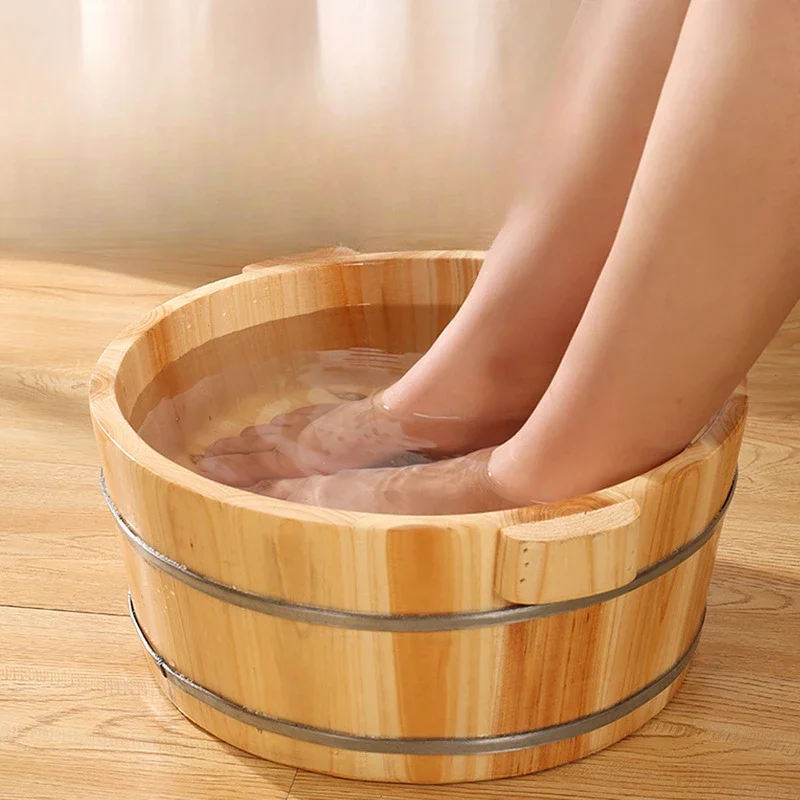
- Foot soaking: Water at 40–42°C, deep enough to cover the ankles, 20 minutes a day — until your back gives a faint sweat. A small handful of mugwort leaves or ginger slices adds warming power. Dry off and put on socks immediately; never step barefoot onto cold floors after.
- Moxibustion: Three key yang-building acupoints: Guanyuan (four finger-widths below the navel), Zusanli (four finger-widths below the knee, on the outer shin), and Mingmen (on the lower back, directly opposite the navel). Moxibustion is the traditional technique of warming acupoints with a smoldering mugwort stick — hold it near each point for 10–15 minutes, 2–3 times a week. Get a practitioner to demonstrate the technique the first time; it can burn, and anyone with reduced skin sensitivity should be cautious.
Quick Answers
Can food alone fix yang-deficiency? Diet helps — warming foods genuinely make a difference — but the body makes most of its yang from rest, sunlight, and movement. Think of lamb soup as a supplement to early sleep, not a replacement for it.
Is moxibustion safe to do at home? For most healthy adults, yes, once you’ve been shown the right distance and timing by a practitioner. Keep sessions short, never leave the stick unattended, and stop if the skin reddens painfully. Diabetics and anyone with poor skin sensation should let a professional do it.
I run warm instead of cold — does any of this apply? Probably not to you. Yang-deficiency is one specific constitution among several; people with yin-deficiency (night sweats, dry mouth, warm palms) need the opposite approach. When in doubt, get a proper assessment rather than self-prescribing.
How soon will I feel warmer? The sleep-and-sunlight changes often show up within two weeks; dietary shifts take a month or more to accumulate. Anyone promising a “three-day cure” is selling something.
Can I do this while pregnant? Gentle exercise, foot soaking, and warm foods are generally fine, but skip moxibustion — especially around the lower belly points — unless a practitioner guides you. Always check with your doctor first.
Your 30-Day Winter Warm-Up Plan
- Week 1: Set a 10:30 p.m. bedtime and keep it. This alone changes more than most people expect.
- Week 2: Add 20 minutes of back-sun every day, plus the morning ginger tea.
- Week 3: Start the evening foot soak; make one pot of the lamb soup this weekend.
- Week 4: Add a 10-minute Baduanjin session or brisk walk on weekdays. Review your 8-sign checklist — count how many boxes are unchecked now.
Yang-deficiency isn’t a disease; it’s a constitution you manage over a lifetime. The whole strategy fits in four words: drain less, warm more, sun often, move gently. Frost has already fallen, and winter is days away. Instead of bracing through another freezing season, start tonight: phone down at 10:30, foot soak at 9:45. Next spring, you’ll thank the version of you who started now.
Disclaimer: This article is for informational purposes only and does not constitute medical advice. For a formal constitution assessment, consult a qualified TCM practitioner; if you are ill or unwell, seek care from a physician. The dietary and external remedies described are traditional wellness practices; no therapeutic effect is promised. Please use your own judgment and proceed with caution based on your personal condition.