Type “qigong” into a search bar and the results split into two camps: one side promises you can “open your energy channels in three days,” the other dismisses the whole thing as a scam. Anyone genuinely curious about what qigong actually is gets drowned out by the noise from both sides. This guide doesn’t deal in myth or debunking — it simply explains what qigong is, how its main schools differ, what modern science says about it, and how a complete beginner can start.
What Is “Qi,” Exactly? Set Aside the Mysticism
Any honest introduction to qigong has to start with qi (气) — a foundational concept in traditional Chinese culture that loosely translates as “vital energy,” though that translation hides a lot. In classical Chinese usage, qi is a broad umbrella term: breath is qi, stamina is qi, the weather is qi, and your state of mind is qi. Think of it less as a visible substance and more as a way of describing the flow and change of processes inside and outside the body.
A concrete example: traditional Chinese medicine describes “insufficient qi and blood” — a state you might actually recognize. You get winded climbing three flights of stairs; your eyelids droop around mid-afternoon; even talking feels like effort. Ancient scholars bundled that whole cluster of bodily sensations under the name “qi,” and then developed an entire system of techniques for “nurturing qi” — the origin of qigong.
For a modern reader, qi can be usefully understood as a holistic way of describing several physiological processes at once: breathing, blood circulation, nervous-system regulation, and focused attention. The ancients had no ECG or EEG, but they observed carefully: when the breath slows, a person calms down; when attention focuses, muscles release; people who practice regularly for years genuinely show steadier energy and mood. Qigong is the discipline of turning those observations into a trainable method.
The Two Great Families: Moving Qigong and Still Qigong
Qigong styles have dozens of names, but nearly all of them fall into two broad families by form of practice: moving qigong (动功, centered on body movement) and still qigong (静功, centered on stillness, breath, and focus). Keep this one distinction in mind, and no school’s description will ever confuse you again.
Moving Qigong: Start With the Body
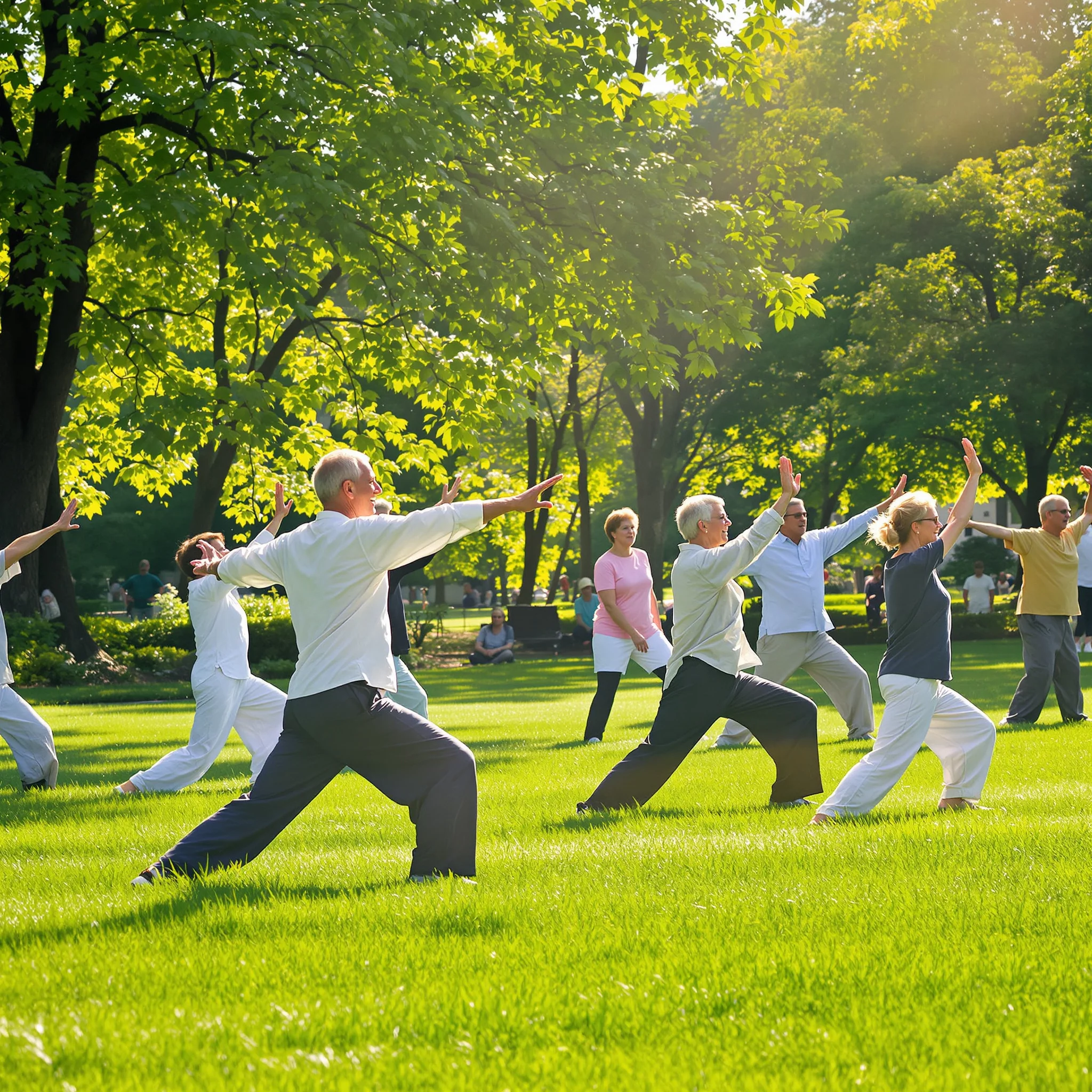
Moving styles coordinate physical movement with breathing and focused attention. The best-known ones:
- Baduanjin (八段锦, “Eight Pieces of Brocade”): eight flowing movements, each with a clear purpose — “Holding Up the Sky to Regulate the Triple Burner” stretches the torso, “Drawing the Bow” works the shoulders and neck. A full set takes about 12–15 minutes, the movements are gentle and joint-friendly, and it is the most commonly recommended entry point for beginners.
- Five-Animal Play (五禽戏, Wu Qin Xi): movements modeled on the tiger, deer, bear, ape, and bird, created by the Eastern Han physician Hua Tuo nearly two thousand years ago. The range of motion is wider than Baduanjin’s, it’s more playful, and it suits people who can’t sit still and want to move fully.
- Tai Chi health routines: simplified sequences distilled from tai chi — for instance, practicing individual postures from the 24-form on their own. They emphasize “overcoming hardness with softness” and build balance and leg strength beautifully.
Still Qigong: Cultivating Quiet
Still styles involve almost no large movement; the core work is breath regulation (tiao xi, “adjusting the breath”) and mind regulation (tiao xin, “adjusting the heart/mind”):
- Zhan Zhuang (站桩, “standing like a post”): stand with feet planted and knees softly bent, holding one posture — from 5 minutes up to half an hour or more. It looks simple until you try it: ten minutes in, your thighs burn and warmth spreads across your back. It trains leg endurance and body awareness.
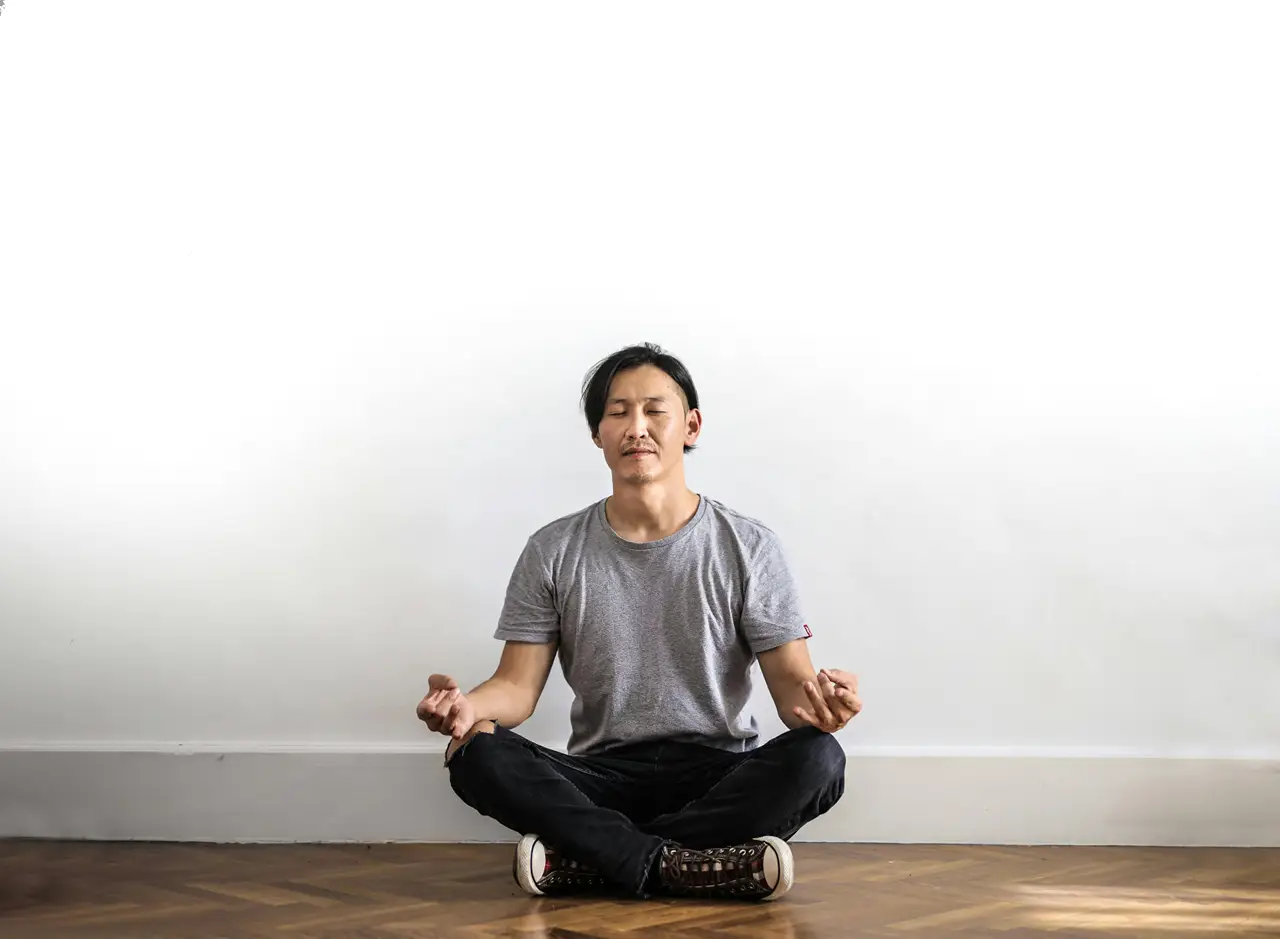
- Seated meditation: sit cross-legged or upright and settle your attention on the breath or a visualization. Many schools ask beginners to start with 10 minutes a day and lengthen gradually.
- Liu Zi Jue (六字诀, “Six Healing Sounds”): six syllables — xu, he, hu, si, chui, xi — each shaped with a specific mouth form and exhaled breath. Each sound is traditionally paired with a different organ system, making it a classic example of “guiding qi with sound.”
Neither family is superior — the only question is fit. Young, energetic people often stick with moving qigong more easily; older practitioners, people with joint issues, or those drawn to quiet tend to start with still qigong. Many experienced practitioners combine both: a round of Baduanjin in the morning, 15 minutes of seated practice in the evening.
What Does Modern Science Say? Three Solid Lines of Evidence
Qigong has been studied in laboratories for decades. Disputes remain, but a few conclusions are broadly consistent across research:
1. Breathing patterns genuinely change the nervous system. Qigong emphasizes slow, deep, even abdominal breathing, which activates the parasympathetic nervous system — the branch responsible for rest and recovery. A 2018 study in Science‘s sibling journals confirmed that slow breathing directly modulates respiratory neurons in the brainstem, shifting the balance between calm and alertness. In plain terms: slowing your breath really does calm you down — it isn’t suggestion.
2. Gentle, sustained movement produces real fitness gains. Moving qigong is, in physiological terms, low-intensity aerobic exercise plus flexibility training. Multiple randomized controlled trials show that practitioners who keep at it for 12 weeks or more gain measurable improvements in balance, flexibility, and sleep quality. For older adults, the reduction in fall risk is a concrete, meaningful benefit.
3. The “relaxation response” explains most of the subjective experience. Harvard’s Herbert Benson proposed the “relaxation response”: when a person sits quietly with relaxed muscles, slow breathing, and focused attention, the body shows measurable changes — heart rate drops, blood pressure falls, cortisol (the stress hormone) decreases. The sensations practitioners describe as “qi feelings” (warmth in the palms, tingling in the limbs) can largely be explained by changes in blood circulation and heightened nerve sensitivity.
To be honest: science has not confirmed qi as a standalone energy entity — but that doesn’t mean qigong “doesn’t work.” Acupuncture’s pain-relief effects are well documented while the physical nature of meridians is still debated; effects and mechanisms are two different questions. For the average practitioner, knowing why it works matters far more than arguing about whether it’s “mystical.”
A Beginner’s Three Steps: Choose, Practice, Avoid the Traps
Step 1: Choosing Your Style
The most common beginner mistake is trying to learn everything at once. Answer one question instead:
- Want to loosen up, and ease stiff shoulders, neck, or back → Baduanjin
- Want stronger legs and steadier focus → Zhan Zhuang (start at 5 minutes a day)
- Want to quiet the mind and sleep better → Seated meditation (start at 10 minutes a day)
Pick one and commit for at least 30 days before judging. Switching styles every week means learning every style only at surface level.
Step 2: How to Practice Effectively
Remember three numbers: 15–30 minutes a day, at least 5 days a week, for 3 months. Qigong’s benefits are cumulative — the trials showing significant improvement nearly all used interventions of 8–12 weeks or longer. If you’re expecting transformation in three days, qigong isn’t for you.
The setting isn’t fussy: your living room, balcony, or a corner of the neighborhood park all work. Fix a time — right after waking up, or before bed — because building the habit matters far more than finding the “perfect hour.” When following practice videos, choose ones with clear instruction and voice cues; for your first session, learn just the first two or three movements and add more once those feel natural.
Step 3: Three Classic Traps
Trap 1: Chasing the “qi sensation.” Many beginners panic after a few days because they don’t feel “qi moving.” Here’s the truth: it’s highly individual. Some people feel warmth in their palms; others feel nothing at all — both are completely normal. Watch for observable changes instead: do you feel clearer after practice? Is your sleep improving? Those matter far more than chasing exotic sensations.
Trap 2: Holding your breath and forcing it. Qigong breathing is slow and natural — never forced. If your face is turning red, you’re getting dizzy, or you feel strain while standing in Zhan Zhuang, you’re pushing too hard: stop and rest immediately. One iron rule: any practice that makes you feel unwell is wrong practice.
Trap 3: Believing in quick fixes and miracle masters. Anyone promising “third-eye opening in three days” or “curing all disease with mind power” belongs firmly in the scam category. Legitimate qigong traditions all say the same thing: “mastery arrives naturally with practice” — time is the best teacher. Keep your distance from “energy healing” performances and “telekinesis” tricks.
The Bottom Line: Treat Qigong as Body-Management Training
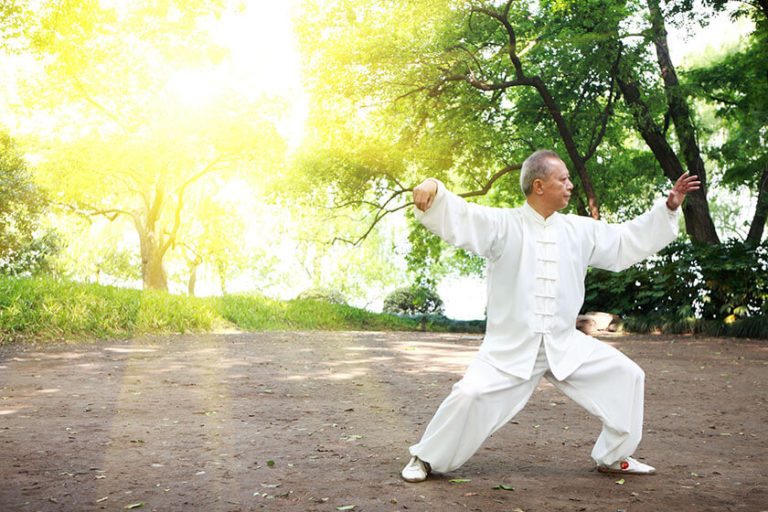
Strip away the mythology and the prejudice, and qigong isn’t complicated: a body-and-mind system combining breath regulation, gentle movement, and attention training. Its value lies not in how mystical the word “qi” sounds, but in offering a low-cost, sustainable form of daily body management — 20 minutes a day, an open patch of floor, zero equipment.
Here’s a concrete first step: today, try the very first Baduanjin movement — “Holding Up the Sky” — following a video, just 5 minutes, and notice how your shoulders and neck feel as they stretch open. If it feels good, repeat tomorrow. After 30 days, you’ll know better than any article whether qigong does something for you.
Quick Answers
Does it matter which style I start with? Less than you think. The important thing is starting with one and giving it 30 days. Baduanjin is the safest all-round first choice.
I don’t feel anything — am I doing it wrong? Probably not. “Qi sensations” vary wildly; many practitioners feel nothing for weeks. Track sleep quality, mood, and how your body feels after practice instead.
Can I practice every day? Yes — gentle daily practice is the ideal. Just keep sessions moderate and stop if you feel strain or dizziness.
Is qigong a religion? No. It’s a cultural and health practice with roots in traditional Chinese medicine and philosophy. You don’t need any belief system to practice it.
Safety note: Qigong is a gentle body-and-mind practice, but it isn’t for everyone. If you have high blood pressure, heart disease, serious spinal or joint problems, a history of mental health conditions, or are recovering from surgery, consult your doctor before starting. Stop immediately and rest if you feel dizzy, chest tightness, or a racing heartbeat during practice. Qigong does not replace professional medical care — see a doctor for any diagnosed condition. This article is cultural and educational content, not medical advice, and it makes no claims of therapeutic effect.
Start small, practice daily, and give it time — consistency is the whole secret.