Six hours on the phone, eight hours on the computer, one more hour of short videos before sleep — your eyes work a 15-hour day while you feed them takeout and instant noodles. Dryness, soreness, ghosting text. Eye drops buy you ten minutes of relief, tops. Here’s the uncomfortable truth: eyes, like muscles, are built by what you eat. Below is an office-worker’s eye-care cookbook you can follow starting tomorrow — no exotic ingredients, no complicated prep.
What Your Eyes Are Actually Hungry For
Understand the mechanism first, and the cookbook stops being superstition. Your eyes run on four key nutrients:
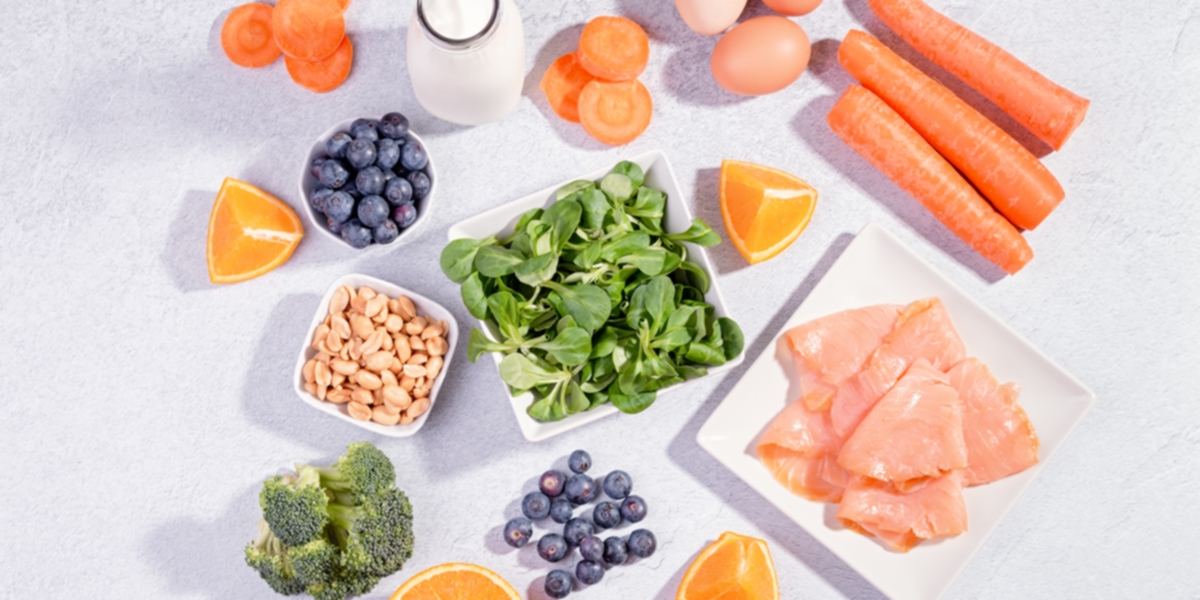
- Lutein: the main pigment of the macula (the retina’s high-resolution center), acting like built-in sunglasses that filter blue light. Your body can’t make it — food is the only source. Champions: spinach, kale, egg yolk.
- Vitamin A: without enough, tear production drops, and you get dryness and night blindness. Champions: animal liver, carrots, sweet potatoes. Note: vitamin A is fat-soluble, so carrots stir-fried with oil are absorbed far better than raw carrot sticks.
- Anthocyanins: the pigments that improve microcirculation around the eyes and ease visual fatigue. Champions: blueberries, black goji berries, purple cabbage.
- DHA: a structural component of the retina’s light-sensing cells. Champions: salmon, saury, flaxseed oil.
One pairing rule covers nearly everything: dark leafy greens + egg yolk + deep-sea fish twice a week. Memorize that and you’re 80% done.
Why do screen workers burn through these nutrients faster? Staring at a backlit display for hours bathes the retina in high-energy visible light, which generates oxidative stress — molecular wear-and-tear — in the macula. Lutein and anthocyanins are literally consumed neutralizing that damage, the way a sponge gets used up mopping a spill. The heavier your screen load, the faster the sponge wears out, and the more deliberately you need to restock it. Food isn’t a bonus for eye health; for heavy screen users, it’s replacement parts.
One Week of Eye Food (Copy Directly)
You don’t need to cook every meal from this list — just capture the two easiest windows, snacks and dinner:
- Monday: dinner — garlic spinach + tomato scrambled eggs. Spinach for lutein, egg yolk pulling double duty.
- Tuesday: snack — a small box of blueberries (about 50g) + a handful of plain nuts. Anthocyanins plus vitamin E.
- Wednesday: dinner — steamed sea bass + stir-fried carrot shreds (remember the oil). DHA plus vitamin A.
- Thursday: snack — black goji berries in warm water (about 20 berries, 60°C water — never boiling, which destroys the good stuff).
- Friday: dinner — a small bowl of pork liver and spinach soup. Covers vitamin A and iron; once a week is plenty for liver, don’t overdo it.
- Weekend: at hotpot or dinner out, order one extra plate of dark greens; swap the milk tea for unsweetened soy milk with egg. Don’t underestimate that swap — chronically high blood sugar accelerates aging of the eye’s lens.
Takeout crowd, this one’s for you: add a side of blanched greens (spinach or lettuce, ask for light oil) to every delivery order, and keep eggs as a staple. Five extra yuan a day, and eye care becomes something you actually do instead of something you mean to do.
3 Desk-Friendly Eye Teas
Chrysanthemum & goji tea: 5 Hangzhou white chrysanthemum flowers + 15 goji berries, steeped 5 minutes in 85°C water. Chrysanthemum is the classic TCM “brighten the eyes” herb (清肝明目, qīng gān míng mù — “clear the liver, brighten the eyes,” since in TCM the eyes are considered the opening of the liver); goji nourishes the liver and kidneys. One cup a day, ideally mid-afternoon when dryness peaks.
Roasted cassia seed tea: 10g roasted cassia seeds (决明子, jué míng zǐ), steeped directly in hot water, refillable 2–3 times. Slightly bitter with a roasted aroma — made for people whose eyes are red from staring at screens all day. Caution: cassia is cooling by nature, so if your digestion runs cold or you’re prone to loose stools, halve the dose or drink it every other day.
Blueberry-hawthorn drink: a small handful of dried blueberries + 3 slices of dried hawthorn, steeped 10 minutes in warm water. Sweet-tart and appetizing — anthocyanins plus vitamin C, for people who can’t stand anything that tastes “medicinal.”

Eating Isn’t Enough: Add the 20-20-20 Rule
Food is the fuel; screen habits are the fuel economy. You need both — otherwise you’re pouring premium gas into a leaking tank.
The 20-20-20 rule: every 20 minutes of screen time, look at something 20 feet (about 6 meters) away for 20 seconds. Set phone reminders for the first three days; after a week it becomes automatic.
Blink. A normal person blinks 15–20 times a minute; staring at a screen drops it below 5. Deliberate blinking is the cheapest artificial tear ever made.
Screen position: top of the screen at or slightly below eye level, 50–70 cm away. And never scroll your phone in bed with the lights off — dilated pupils plus direct blue light on the macula multiplies the damage.
Make Your Screens Less Hostile
Small settings changes compound over a 15-hour screen day. Turn on night-shift / night-light mode on every device and schedule it from sunset to sunrise — it won’t save your eyes alone, but it trims the most damaging wavelengths during the hours your eyes are already tired. Match screen brightness to the room: a glowing rectangle in a dark room forces your pupils into constant adjustment, which is exhausting. And bump up your text size one notch. Squinting at 9-point font for eight hours is a workout nobody signed up for — larger text measurably reduces blink-rate drop and forehead tension.
If you wear glasses, ask your optician about blue-light-filtering coatings at your next prescription update. They’re not magic, but for people already wearing lenses, the marginal cost is small and the comfort gain is real.
Know the red flags: if you’re seeing a noticeable drop in vision over a short time, distorted or discolored sight, or eye pain with headaches, stop reading cookbooks and see an ophthalmologist — rule out glaucoma, cataracts, and retinal problems. Food handles maintenance; it doesn’t treat disease.
4 Eating Habits That Quietly Wreck Your Eyes
Adding good nutrition is half the job; the other half is plugging the leaks. These four habits do the most quiet damage:
- Drinking milk tea like water. High-sugar diets glycate the proteins in the eye’s lens, accelerating aging. One full-sugar milk tea a day, and your eyes’ “depreciation rate” speeds up visibly.
- Salty, greasy takeout for every meal. High salt impairs microcirculation around the eyes, making dryness and puffiness worse. Ask for “light salt” on delivery orders, and cook for yourself twice a week.
- Unrestrained drinking at business dinners. Alcohol is a diuretic — the morning after, eye dryness doubles. If you drink socially, compensate the next day with extra water and dark greens.
- Eating plenty but drinking nothing. Eight glasses of water a day is the floor, not the ceiling. When the body runs dry, tear production is one of the first things to suffer. Keep a big visible cup on your desk — out of sight, out of mind, out of water.
The whole program in one line: dark greens plus egg yolk, deep-sea fish twice a week, one cup of eye tea in the afternoon, and the 20-20-20 rule. Start tomorrow by bringing a box of blueberries to work — your eyes will thank you.
For general wellness information only — not medical advice. If you feel unwell, consult a qualified professional.
中文版:上班族护眼食谱