Have you ever tried sitting and doing absolutely nothing for five minutes? Most people attempting meditation for the first time start checking the clock at minute three and feel like they’re sitting on pins by minute five. It’s not that you lack talent — it’s that nobody taught you the method. This guide will get you through your first full five minutes of seated meditation, comfortably.
What Meditation Actually Trains: One Sentence
It trains the muscle of attention. On a normal day, your attention behaves like a wild monkey — scrolling the phone, replaying work, wondering about dinner, never still for a second. Meditation is five minutes a day of teaching that monkey to sit in one place and stay there.
Don’t let mystical language scare you off. Meditation doesn’t require “enlightenment” or “feeling energy.” It requires exactly this: sit down, place your attention on your breath, and bring it back when it wanders. That’s the whole thing.
The Chinese tradition calls this dazuo — “seated sitting” — and it’s been practiced for well over a thousand years, in Buddhist, Daoist, and Confucian lineages alike. Strip away the cultural packaging and you’ll find the same core exercise taught in modern mindfulness courses worldwide. Different wrapping, same muscle.
Posture: 3 Ways to Sit — Pick the Most Comfortable
- Chair sitting (best for beginners): perch on the front third of a chair, back straight but not leaning against the backrest, feet flat on the floor, hands resting on your thighs. The top choice if your lower back complains.
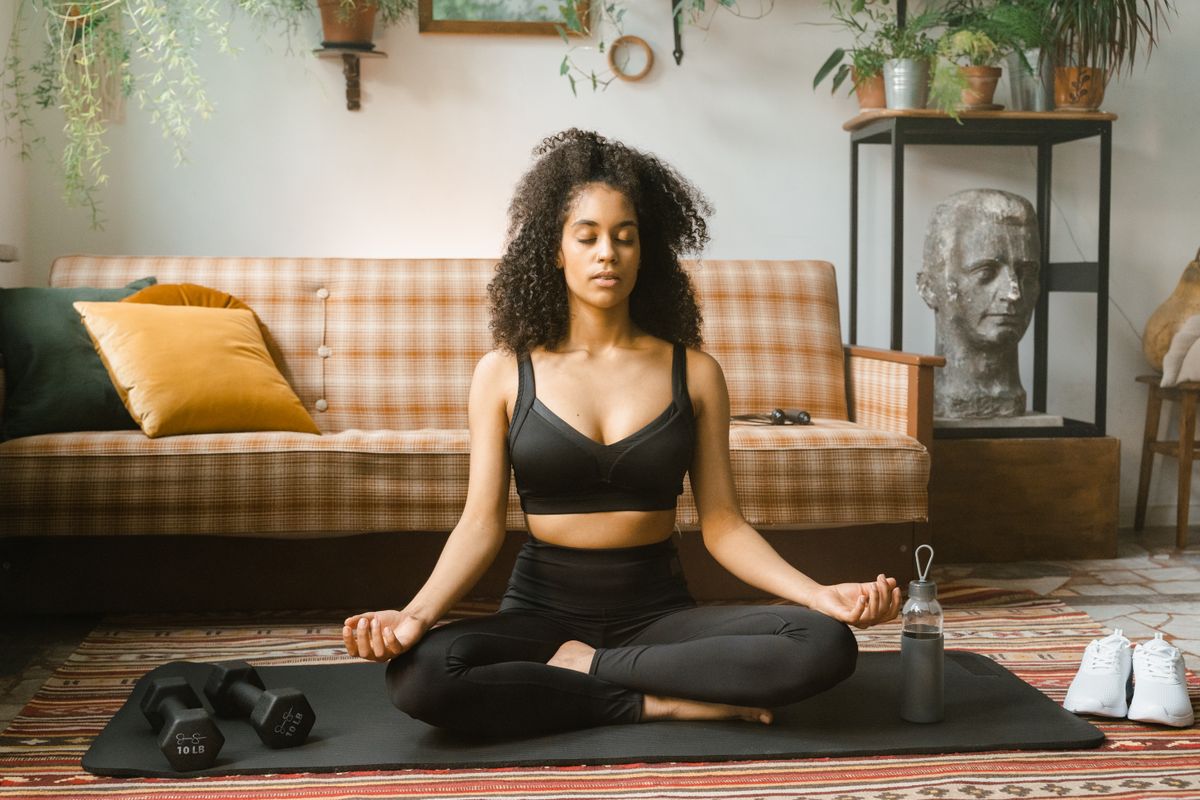
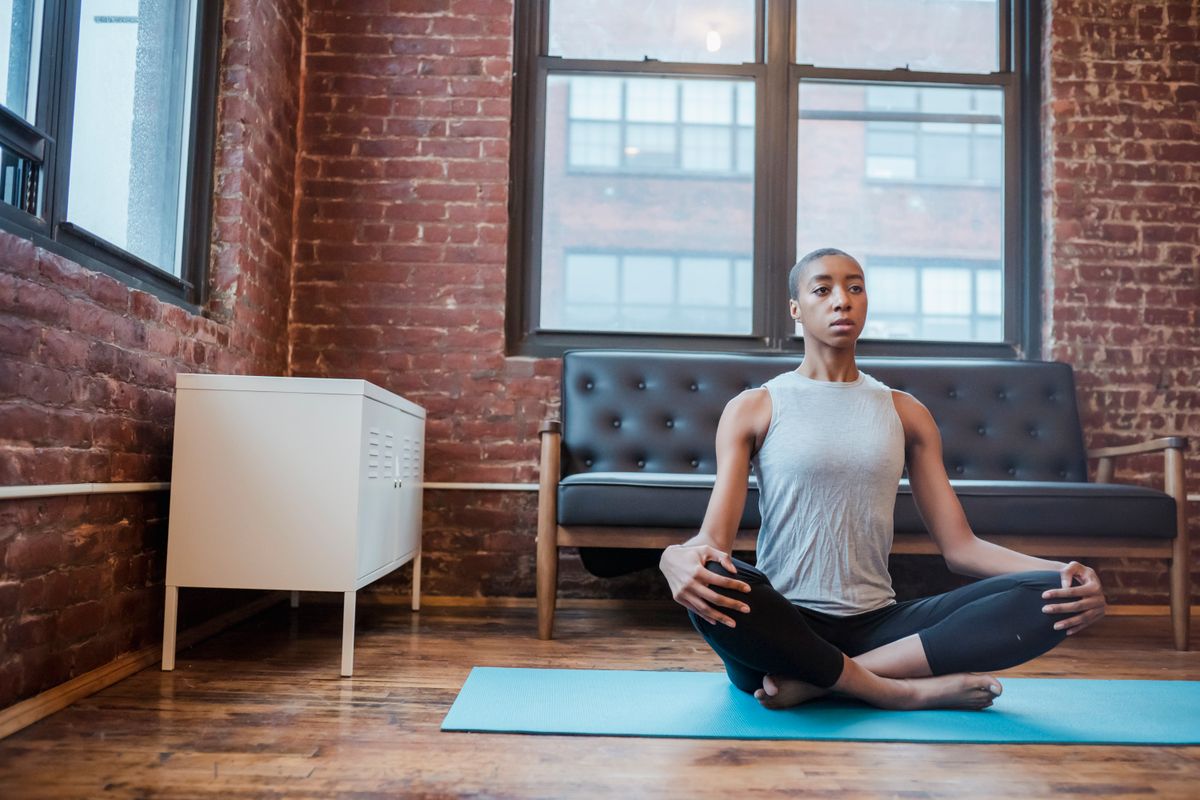
- Loose cross-legged: sit on a cushion on the floor, legs crossed naturally, hips elevated about four inches (a pillow works), knees resting toward the ground if they can.
- Half or full lotus: don’t touch these yet. Leg pain will destroy every good feeling from your first session. Come back to them after a month of consistent sitting.
Only two real requirements: spine upright (no slouching) and body stable (no swaying). Everything else is negotiable.
A note on pain: meditation discomfort should feel like mild effort, never like injury. Knees screaming, ankles going numb, back spasming — those are signals to change position, not to “push through.” The old stories of masters enduring agony make terrible instruction for beginners.
The 5-Minute Flow: Just Follow Along
- Minutes 0–1: settle in, close your eyes, and take 3 slow deep breaths. Inhale for 4 counts, exhale for 6 — breathe the day’s tension out.
- Minutes 1–4: let the breath return to natural and rest your attention on the sensation of air at the nostrils, coming and going. Know the inhale as inhale; know the exhale as exhale.
- Minutes 4–5: keep going. Thoughts will come — they always do. When one arrives, note silently “ah, thinking,” and return to the breath. No self-criticism.
- Finishing: open your eyes slowly, rub your hands warm and press them over your face, roll your neck gently, then stand up and walk a few steps.
That’s it. If you followed those steps, you just meditated. It really is that unglamorous — and that’s precisely why it works.
Racing Thoughts? Completely Normal
Fifty thoughts in your first sit is completely normal. Your brain hasn’t been left alone with itself in twenty years — of course it protests the sudden quiet. Remember three sentences:
- Don’t judge: “I got distracted again, I’m terrible at this” — that thought is itself just another distraction. Notice it, return, no scolding.
- Don’t follow: a thought about dinner arrives; don’t start planning the menu. Label it, let it pass, come back.
- Don’t fear: a suddenly racing heartbeat or tingling limbs are normal physiological responses to stillness. If it’s genuinely uncomfortable, open your eyes, drink some water, and try again tomorrow.
Here’s the reframe that changes everything: a “bad” meditation full of distractions, where you returned to the breath fifty times, trained your attention fifty times. A “perfect” blissful sit trained it zero times. Beginners pray for calm sessions; experienced meditators know the messy ones do the real work.
Setting Up: 3 Things Are Enough
- One fixed corner: it doesn’t need to be big — a single square meter works. The brain remembers places; sitting in the same spot makes settling in twice as fast. Living room today, bedroom tomorrow means starting over every time.
- One cushion: even the hardest chair qualifies. What matters is “this is the meditation seat.” Ritual isn’t mysticism — it’s a signal to your brain that it’s time to shift gears.
- One timer: your phone’s countdown works fine — place it where you can see it. Don’t use an app that pings notifications. Five minutes in airplane mode won’t end the world.
Dimmer light and a quieter room are bonuses, but don’t wait for the perfect environment. Five minutes with eyes closed on the subway counts as meditation too.
Leveling Up: What to Try Once 5 Minutes Feels Easy
After about 21 days, if ten minutes a day no longer feels like effort, try these two next steps:
- Body scan (10-minute version): move your attention slowly from the crown of your head down to the soles of your feet, like a searchlight. Wherever it lands, relax that spot. The shoulders, jaw, and stomach are the biggest tension hoarders — linger three extra seconds there. One full pass and your body will feel noticeably lighter.
- Extended counting (15-minute version): graduate from counting to ten to counting to twenty; then from twenty to counting only the exhales. Longer counts demand more of your attention. Lose count? Start back at one without frustration.
Not for beginners yet: visualization (picturing images) and mantra recitation (repeating phrases). Those come later. First get “watching the breath” stable enough to go five straight minutes without drifting. A shaky foundation makes everything built on it wobble. When you notice a fifteen-minute sit flying by, then consider going deeper.
The 21-Day Habit Chart
- Days 1–7: 5 minutes a day, at a fixed time (right after waking or before bed works best). Goal: just sit down.
- Days 8–14: 8 minutes a day. Goal: notice the distractions starting to thin out.
- Days 15–21: 10 minutes a day. Goal: reach the point where skipping a day feels like something’s missing — the habit has formed.
FAQ
Morning or night? Whichever you’ll actually do consistently. Morning sits tend to be clearer-headed; evening sits help unload the day. The best time is the time that survives your schedule.
I fell asleep. Does that count? It counts as a nap, not a meditation — but take the win anyway. Chronic sleep debt is real, and your body grabbed what it needed. If it keeps happening, try sitting earlier in the day or with eyes slightly open, gaze lowered.
How is this different from just relaxing on the couch? Relaxation lets attention wander wherever it wants; meditation trains attention to stay where you put it. One is rest, the other is exercise. You need both.
Meditation is a compound-interest game. Five minutes a day is 150 minutes a month — and you’ll start noticing you hold focus better in meetings and your mind chatters less before sleep. Don’t chase “deep states”; chase “showing up daily.” Tonight before bed: five minutes. Start.
One last reminder: meditation is self-care, not self-examination. On days when there’s truly no time, one minute still counts. Missing a day isn’t the danger — quitting entirely because you missed a day is. Rhythm matters more than duration. Put meditation on your schedule starting today, as automatic as brushing your teeth. Five years from now, those five minutes will look like the best investment you ever made.
Practice within your limits; consult a qualified professional if you feel unwell.
中文版:打坐入门:从5分钟开始