At the wet market on a cold November morning, an older woman picks up a handful of black sesame seeds, smells them, and asks for half a jin. As soon as autumn turns to winter, black sesame becomes a regular in many Chinese kitchens. But here is the curious part: two people can eat the same seeds every day, and three months later one looks no different while the other clearly does. The difference is not whether you eat black sesame. It is how you eat it.
In Chinese food culture, black sesame is a classic autumn-winter ingredient. It belongs to the tradition of shiliao — literally “food therapy,” the idea that everyday foods can support the body’s balance, especially in the colder months when dryness sets in. This guide is not about miracle cures. It is about getting the most out of a humble seed: the right amount, the right preparation, and the right pairings.
What Black Sesame Actually Offers
Per 100 grams, black sesame contains roughly 20 grams of protein and 46 grams of fat — mostly unsaturated fatty acids — plus about 780 milligrams of calcium, around 10 milligrams of iron, vitamin E, and antioxidant compounds such as sesamin. Gram for gram, its calcium content is considerably higher than milk’s, and its iron content is respectable among plant foods. In autumn and winter, people reach for it for two reasons: that mineral base, and the moistening quality of its natural oils. When the heating comes on in northern China, many people find their lips cracking and their skin drying out; the oils in black sesame help counter that dryness from the inside.
But watch one number: black sesame is calorie-dense. One hundred grams carries about 530 kilocalories — roughly the same as two and a half bowls of rice. A small handful as a snack, about 15 grams, is enough. That is around 80 kilocalories, about the same as half an apple. Go past 30 grams a day and the calories start quietly adding up — especially if you are watching your weight. Do not treat it as a “free” healthy snack.
There is another detail most people miss: the seed coat is hard. Swallow whole seeds and most of them pass through undigested, cutting nutrient absorption roughly in half. The correct approach is to toast the seeds lightly and grind them into powder, or chew them thoroughly before swallowing.
Four Ways to Eat It, for Four Kinds of People
Black Sesame Paste: Best for Busy Mornings
Take 30 grams of black sesame, 20 grams of glutinous rice, and 10 grams of walnuts. Toast them until fragrant, then grind everything into a fine powder and store it in a sealed jar. In the morning, scoop 3 spoonfuls into a bowl, add 200 milliliters of hot water, and stir — you have a warm bowl of sesame paste in under a minute. The glutinous rice gives it body, the walnuts add aroma and extra healthy fats, and the whole bowl comes to about 180 kilocalories. Add a boiled egg and you have a proper breakfast.
Black Sesame Balls: Best as an Afternoon Snack
Mix 200 grams of black sesame powder with 60 grams of honey, then roll the mixture into small balls of about 10 grams each and keep them in the fridge. Eat one in the mid-afternoon, around three or four o’clock, with a cup of hot tea. It takes the edge off hunger without overdoing it. The honey is not just for sweetness — it binds the balls together, and they keep for about a week refrigerated. If your blood sugar runs high, halve the honey or use a small amount of malt syrup instead; the result is milder, and you will know exactly what went into it.
Black Sesame Spinach: Best as a Quick Dinner Side
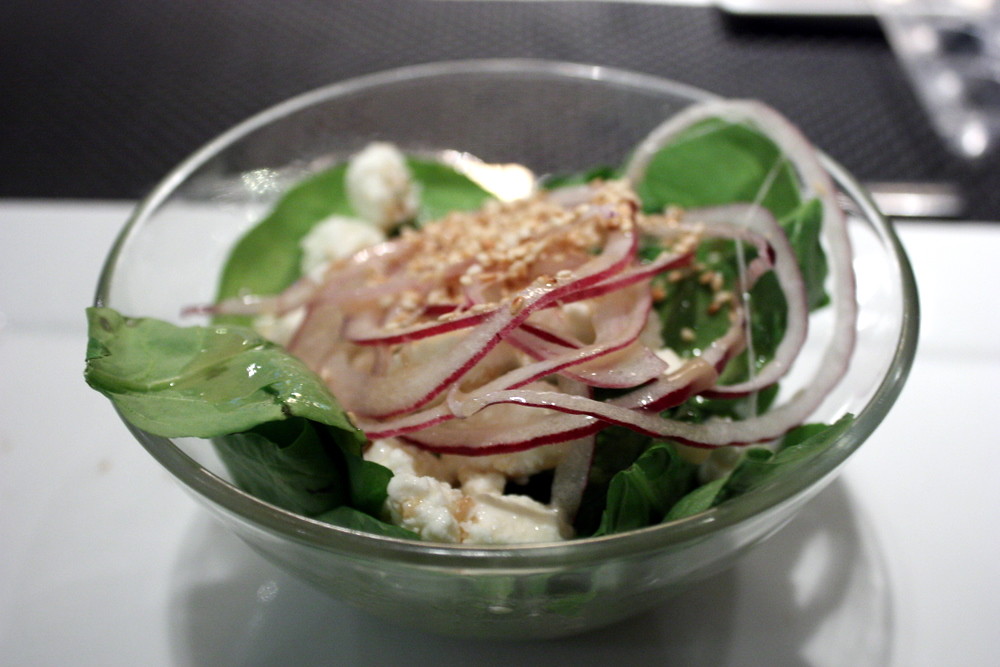
Blanch spinach for one minute, drain, and cool it under running water. Cut it into segments, sprinkle 10 grams of toasted black sesame over the top, and finish with half a spoonful of light soy sauce and a few drops of sesame oil. Spinach already contains iron; the sesame adds another share, and the two look beautiful together on the plate. From washing the vegetables to serving takes under ten minutes — perfect for a weeknight when you do not want a big production.
Black Sesame Soy Milk: Best If You Don’t Like Sweet Food
Soak 40 grams of soybeans overnight. The next morning, add 15 grams of black sesame and 600 milliliters of water to a soy milk maker and select the “five-grain soy milk” setting; it takes about 20 minutes. Add no sugar — enjoy the bean and sesame aromas as they are. The soybeans supply plant protein, the sesame adds calcium and iron, and one cup of about 250 milliliters contains under 120 kilocalories. Freshly made in the morning, it has at least two spoonfuls less sugar than the sweetened soy milk sold outside.
Pairing Matters: Who You Eat It With Changes Everything
Black sesame does not work alone. Pair it well and your body absorbs more of its nutrients; pair it badly and the ingredients work against each other.
Black sesame + vitamin C foods: Iron absorption hates going solo. The iron in black sesame is non-heme iron, which the body absorbs at a low rate on its own — but a little vitamin C helps it absorb several times better. The simplest trick: eat half an orange with your morning sesame paste, or squeeze a few drops of lemon juice over your sesame spinach.
Black sesame + walnuts or peanuts: Nuts are good partners. Their fats complement each other, and the flavor gets richer. But watch the total — 15 grams of sesame plus 15 grams of walnuts already brings your daily nut intake close to the recommended 30-gram ceiling. Add peanuts and melon seeds on top and you have overshot it.
Black sesame + whole grains: Black rice, oats, and brown rice are all good partners. Black rice sesame porridge is a classic: 40 grams of black rice, 15 grams of black sesame, and 30 grams of white rice, simmered in water for 40 minutes. The porridge turns a deep, glossy black — a warming bowl for a cold autumn evening.
Pairings to avoid: Do not eat black sesame in the same meal as large amounts of strong tea. The tannins in tea bind with iron and reduce its absorption. If you love tea, leave about an hour between your sesame paste and your cup of tea. Also, black sesame is moistening by nature. If your digestion runs weak and cold, or you are prone to loose stools, start with 10 grams a day and work up to 15 grams once your body adjusts — do not begin with a giant bowl of sesame paste.
Three Mistakes to Avoid This Autumn and Winter
Mistake 1: Eating raw sesame seeds. Raw seeds have a hard coat and a grassy taste; your body extracts little from them, and they can cause bloating. Toast them gently over low heat until you hear a faint crackling and smell the fragrance, then take them off the heat. Burnt sesame tastes bitter, and its nutritional value drops too.
Mistake 2: Eating only black sesame and expecting it to cure hair loss. This is the most widespread misunderstanding. Hair loss has many causes — late nights, stress, hormone levels, scalp conditions — and sesame only supplies a nutritional base. It cannot replace targeted care. Treat it as one part of your daily diet, alongside regular sleep, and that is far more realistic than “eating two big spoonfuls a day and waiting for hair to grow back.”
Mistake 3: Buying dyed sesame seeds. Soak real black sesame in water for a while and the water stays nearly clear; dyed seeds turn the water black. When buying, rub a handful between your palms — good seeds leave no obvious black stain on your hands, are uniform in size, and carry a faint sesame fragrance.
A One-Week Plan and the Bottom Line
Arrange the recipes above across a week so the routine stays varied and no single day goes overboard. On Monday, Wednesday, and Friday mornings, have a bowl of black sesame paste with a boiled egg — about 250 kilocalories, ready in 10 minutes. On Tuesday and Thursday mornings, a cup of black sesame soy milk with a slice of whole-wheat bread. On Saturday evening, black sesame spinach as a side dish, with rice and steamed fish. On Sunday afternoon, one sesame ball as a tea snack with a cup of hot black tea. Keep black sesame at around 15 grams a day, and total nuts under 30 grams a day.
The benefits of black sesame are real: calcium, iron, vitamin E, and healthy oils. Eaten in autumn and winter, it helps with dryness and builds a solid nutritional base. But it is not a magic pill. Three things matter more than eating twice as much: the 15-gram portion, the toast-and-grind preparation, and the vitamin C pairing. Buy genuine seeds that do not bleed color in water, do not overeat, and keep strong tea an hour away from your sesame meal.
Three action steps: buy a small bag of genuine black sesame today, toast it lightly, grind it, and store it sealed. Tomorrow morning, swap one takeout breakfast for a bowl of sesame paste and keep it up for two weeks to see how you feel. And stick the pairing guide from this article on your fridge, so everyone in the family can use it when cooking. Autumn and winter are long — eating well is the most practical form of wellness there is.
Disclaimer: This article is general dietary information for educational purposes only. It is not medical advice, and black sesame cannot replace medication or treatment. If you have a chronic condition, take regular medication, are pregnant or breastfeeding, or have allergies, please consult a doctor or registered dietitian before changing your diet. If you feel unwell after eating black sesame, stop and seek medical attention promptly.
Quick Answers
How much black sesame should I eat per day? About 15 grams — roughly a small handful, or one tablespoon of powder. More than 30 grams a day adds up in calories fast.
Should I eat it raw or cooked? Always toasted and ground. Raw whole seeds pass through mostly undigested, so you absorb far less of their nutrients.
What is the easiest way to eat it every day? Make a batch of sesame paste powder (sesame, glutinous rice, walnuts) and stir 3 spoonfuls into hot water each morning. It takes under a minute.
Does black sesame cure hair loss? No. It supplies nutrients that support general health, but hair loss has many causes and sesame alone cannot treat it. Combine a balanced diet with regular sleep and, if needed, professional advice.
How do I tell real black sesame from dyed seeds? Soak a spoonful in water: real seeds leave the water nearly clear, while dyed seeds turn it black. Rubbing them between your palms should also leave no obvious black stain.
Can I eat black sesame with tea? Yes, but not in the same meal. Tannins in strong tea reduce iron absorption, so leave about an hour between your sesame meal and your tea.