It is late November. The heating is on, the air indoors is so dry that static crackles every time you touch a door handle, and you wake up with a tight throat and chapped lips. Two glasses of water do not fix it. At the wet market, though, the snow-white petals of fresh lily bulbs are exactly in season — and this humble ingredient has been the go-to answer for dry autumn and winter days in Chinese kitchens for centuries.
In traditional Chinese food culture, lily bulb — baihe in Chinese — is not a medicine and not a luxury ingredient. It is an ordinary food that happens to suit the season: soft, starchy, mildly sweet, and gentle enough to eat two or three times a week all winter long. This guide explains what it is, how to choose and prepare it, and four simple ways to cook it, starting with a bowl of soup.
What Makes Lily Bulbs Special: More Than Just Moisture
A lily bulb is the starchy underground bulb of the lily plant, sold petal by petal like a small white onion that has been taken apart. Per 100 grams of fresh lily bulb, you get roughly 28 grams of carbohydrates, about 3 grams of protein, a useful amount of potassium, and small quantities of B vitamins. Cooked until soft, it turns almost creamy — the starch is so fine that it melts in the mouth with barely any chewing, which makes it friendly for older people and young children alike.
In traditional Chinese medicine, lily bulb is described as sweet in taste and slightly cool in nature, and it is said to enter the lung and heart channels — in plain English, it is traditionally believed to moisten dry lungs, ease a dry cough, and calm the mind. Modern nutrition looks at it from a different angle: lily bulbs contain lily polysaccharides and small amounts of alkaloids, which is part of the reason they show up so often in autumn and winter food-therapy recipes.
One thing needs to be clear from the start. A lily bulb is food, not medicine. You eat it for everyday nourishment, not as a treatment. A single bowl will not cure a cough, and no recipe in this article should be read as a prescription. What it can do, eaten regularly and in modest amounts, is add a gentle, moistening dish to a season when most of us feel dried out.
Fresh or Dried: Which to Buy, and How to Prepare Each
Markets usually sell two kinds. Fresh lily bulbs are sold by the petal, at roughly 15 to 25 yuan per 500 grams. The petals are thick, white, and full of moisture, and they suit quick stir-fries and steaming. Dried lily bulbs cost more — about 40 to 50 yuan per 500 grams — but they more than double in size once soaked, and they suit soups and congee. For a household pantry, dried is the practical choice: sealed well, it keeps for a year. Fresh bulbs should be eaten within three days of purchase, and no more than a week even in the fridge.
Preparation is different for each. For fresh bulbs, break them into petals, rinse away any soil under running water, and pinch off the small dark, hard bit at the base of each petal. Fresh lily has a slight bitterness; blanching the petals for 30 seconds removes most of it, and a quick rinse in cold water afterward keeps the texture crisp. For dried bulbs, soak in cold water for 30 minutes to an hour, until the petals soften and bend gently. Discard the soaking water. If a soaked batch still tastes bitter, soak it once more in fresh water for 10 minutes.
- Choosing fresh: petals intact, clean white, firm to the touch. Skip any with yellowing edges or brown spots.
- Choosing dried: pale yellow, whole petals, no sour or musty smell. Petals that look unnaturally bright white may have been sulfur-fumigated — buy those with caution.
- Storing: keep fresh bulbs in a sealed bag in the fridge; keep dried bulbs sealed in a cool, dry place, since dampness leads to mold.
Four Recipes: Start With a Bowl of Soup
1. Lily Bulb and White Fungus Soup: The Classic Pairing
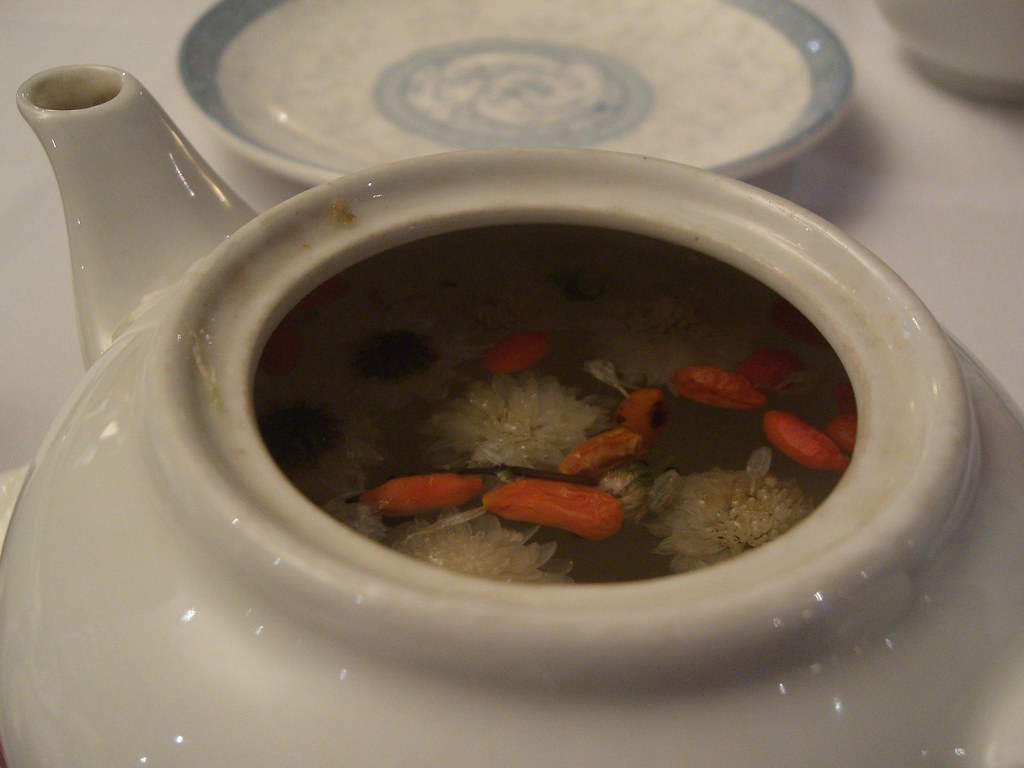
This is the most classic autumn-winter combination, and the one most families start with. Soak 10 grams of dried white fungus (tremella, also called snow fungus) for 2 hours and tear it into small pieces; soak 20 grams of dried lily bulbs for 30 minutes; prepare 25 grams of rock sugar. Add 1,200 ml of water to a pot, put in the white fungus first, bring to a boil, then simmer on low heat for 40 minutes until the fungus releases its gel and the soup turns slightly thick. Add the lily bulbs and simmer for 20 more minutes, then stir in the rock sugar 5 minutes before turning off the heat, just until it dissolves.
One pot serves two people. Make it in the evening, let it cool, and reheat it the next morning for breakfast — it works just as well warm as it does freshly made.
2. Lily Bulb and Lotus Seed Congee: A Gentle Bowl Before Bed
Rinse 80 grams of rice, soak 15 grams of dried lily bulbs until soft, and prepare 20 grams of lotus seeds with the bitter green cores removed — skip this step and the whole pot turns bitter. Bring 1,000 ml of water to a boil, add the rice, skim off any foam, then simmer on low heat for 25 minutes. Once the rice grains have opened up, add the lily bulbs and lotus seeds and cook for 15 more minutes, until the congee thickens and the lily turns soft and tender. A small spoonful of rock sugar, about 5 grams, is optional; the natural sweetness of the rice and lily is often enough on its own.
This is a good supper dish. It sits warm and light in the stomach, and it is the kind of bowl that makes a dry night feel a little easier.
3. Stir-Fried Lily Bulbs With Celery: Three Minutes, Crisp and Fresh
Break 100 grams of fresh lily bulbs into petals, rinse, and blanch for 30 seconds. Cut 200 grams of celery into diagonal segments and slice 3 cloves of garlic. Heat the wok with a little oil, fry the garlic until fragrant, add the celery and stir-fry over high heat for 1 minute, then add the lily petals and fry for just 40 more seconds. Season with half a spoonful of salt and take it off the heat. From the first ingredient hitting the pan to the plate, the whole dish takes under two minutes.
The order matters: the lily goes in only after the celery is cooked through, or it will break apart in the pan. The celery stays crisp, the lily turns soft and tender, and the contrast is what makes the dish — light, fresh, and not at all greasy.
4. Steamed Pear With Lily Bulb: For Days When Your Throat Feels Raw
Take 1 snow pear and slice off the top third to use as a lid. Scoop out the core, stuff the hollow with 30 grams of fresh lily petals, add 10 grams of rock sugar, and put the lid back on. Steam over high heat for 25 minutes, until the pear flesh softens and its juice seeps out. Eat the pear and the lily together, and do not waste the juice in the bowl.
This recipe uses not a drop of oil. On days when your throat is dry and your voice is hoarse, it is the gentlest option of the four.
Pairings and Precautions: Lily Bulb Is Not for Everyone, Every Day
Lily bulb pairs well with white fungus, lotus seeds, snow pear, Chinese yam, and millet. The flavors are mild, the natures are gentle, and none of them clash. When you make soup or congee, go easy on the rock sugar — about 25 grams is enough for two servings. More than that turns the dish cloying and sends blood sugar up faster than you want.
- If you tend to feel cold: lily bulb is slightly cool in nature. If your hands and feet are usually cold, or cold food gives you loose stools, keep a serving to about 30 grams and do not eat it every day.
- If you have a cold-type cough: feeling chilled, with a runny nose and thin, clear phlegm, is the wrong pattern for lily bulb. Its moistening approach does not match that kind of cough, so do not rely on it to stop one.
- If you have diabetes: lily bulb is fairly starchy, so reduce or skip the rock sugar in the soup, and count the bowl toward your carbohydrate intake for the day.
- First time eating it: a very small number of people are allergic to lily bulb. Eat just a few petals the first time, wait half an hour, and only eat a normal portion if nothing feels off.
Quick Answers
Fresh or dried — which should I buy first? If you cook soups and congee, start with dried: it keeps for a year and is always ready after a short soak. If you like quick stir-fries, buy fresh and use it within three days.
Why does my lily bulb taste bitter? Fresh lily has a natural slight bitterness. Blanching for 30 seconds removes most of it. Dried lily that still tastes bitter usually needs a second soak in fresh water.
How often should I eat it? Two or three times a week, one small bowl at a time, through the whole autumn and winter, works better than eating a huge portion on a single day. Consistency is the point.
Can children eat it? Yes, in normal food amounts — its soft texture is one reason families like it. As with any new food, start small and watch for any reaction.
Does it help with coughs? In traditional food culture it is used for dry, irritated throats in dry weather. It is not a cough medicine. If a cough lasts more than a week, gets worse, or comes with fever, see a doctor instead of cooking more soup.
This Autumn and Winter, Start With a Bowl of Lily Soup
Autumn-winter nourishment does not need to be complicated. Keep a bag of dried lily bulbs in the cupboard. In the evening, soak 10 grams of white fungus and 20 grams of lily bulbs; the next morning, simmer them gently for 40 minutes, and a hot bowl of lily and white fungus soup is breakfast for the whole family. On a weekend, steam a pear stuffed with lily, or stir-fry a plate of lily with celery for a change of pace.
Eating lily bulb is a slow, steady habit — a small bowl, two or three times a week, all through the cold season, beats one big plate on a single day. Soak the dried lily tonight, and tomorrow morning the soup is already sorted.
Disclaimer: This article is food and nutrition education only. Lily bulb is an ordinary food ingredient; food-based nourishment cannot replace medication, and no health benefit is promised. If a cough, sleeplessness, or other symptom persists or gets worse, please seek medical care promptly. Pregnant or breastfeeding women, people with chronic conditions, and anyone taking medication should consult a doctor before adding lily bulb to their regular diet.