It is a cold evening in late autumn. In the kitchen, a clay pot is simmering on low heat, and a sweet, clean fragrance fills the room. Inside, lotus seeds and white fungus are bubbling gently in a pale, glossy soup. The seeds have gone soft and powdery, melting the moment they touch your tongue. If you have ever stood in front of a jar of dried lotus seeds and wondered whether to remove the bitter green sprout in the middle, or how to cook them so they actually taste good, this guide is for you.
Lotus seeds are one of the quiet staples of the Chinese autumn and winter kitchen. They keep for months in a sealed jar, they cook into porridge, soup, and sweet dessert, and they ask for very little skill in return. The trick is knowing how much to use, when to keep the green center and when to take it out, and which combinations suit your body.
What Makes Lotus Seeds Worth Keeping in the Kitchen
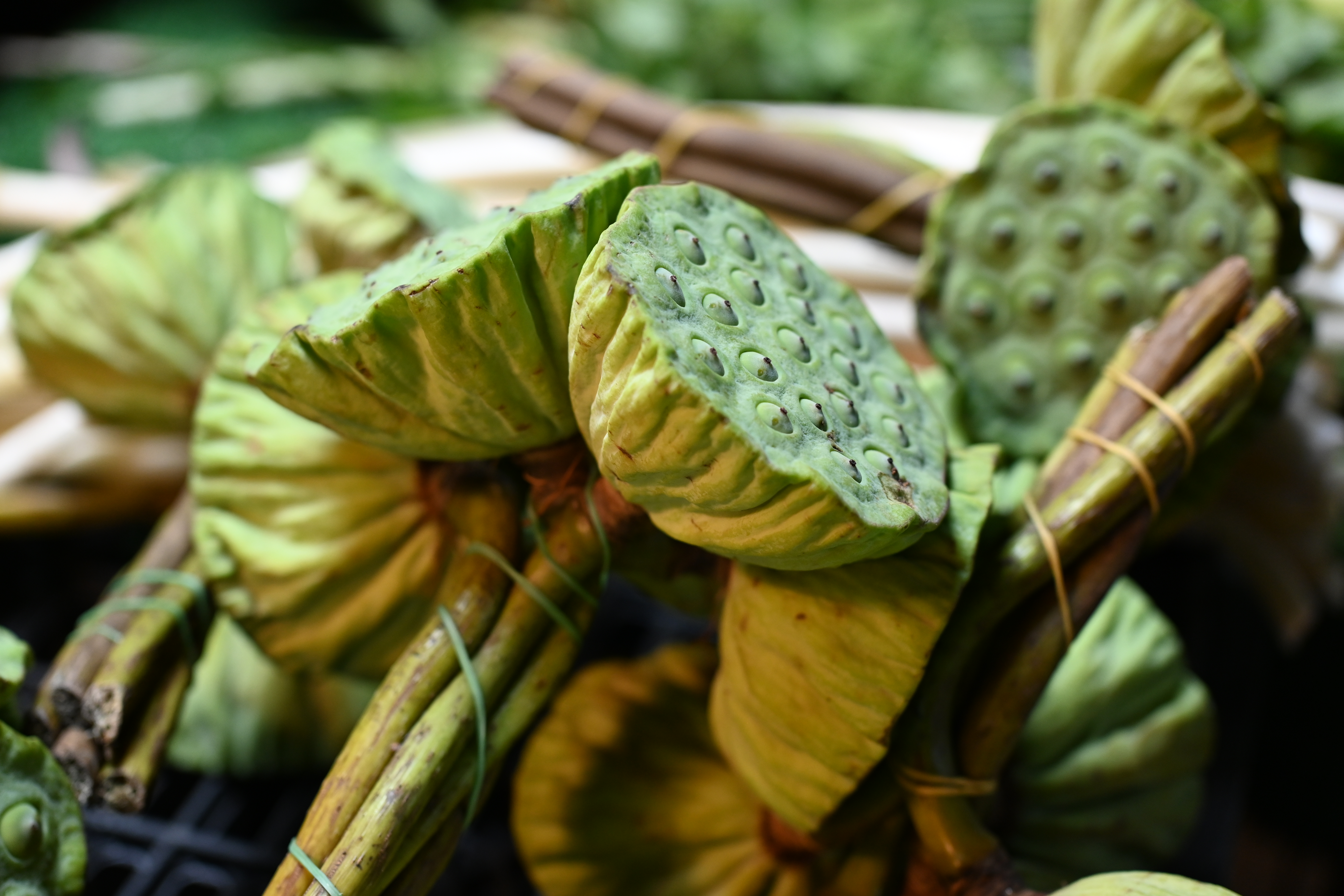
A lotus seed is the mature seed of the lotus plant, a water plant in the family Nelumbonaceae that has been eaten in China for centuries. Dried lotus seeds store well for six months or more. Per 100 grams, they contain roughly 16 grams of protein and about 60 grams of carbohydrates, most of it starch. They are low in fat, filling without feeling heavy, and they supply potassium, phosphorus, magnesium, and B vitamins.
In traditional Chinese food culture, lotus seeds are described as neutral in nature and sweet in flavor. In plain terms, they are gentle: neither warming like ginger nor cooling like mung beans, and easy to eat regularly.
The one number worth remembering is the portion. Because lotus seeds are rich in starch, eating too many at once can leave you bloated. For most adults, 20 to 30 grams of dried lotus seeds per serving, about a small handful, is the right amount.
Fresh and dried lotus seeds cook a little differently. Fresh lotus seeds are moist and tender. Peel them, remove the shell, and they soften in about 15 minutes, which makes them good for quick sweet soups. Dried lotus seeds need soaking first. Soak them in cold water for two to three hours until they feel slightly soft when you pinch them. When choosing dried lotus seeds, look for plump, pale yellow seeds with no moldy smell.
To Remove the Green Center or Not? It Depends on You
Inside every lotus seed sits a tiny green sprout called the lotus plumule, or lotus seed heart. It is intensely bitter, and it is the reason many people remember their first taste of lotus seeds as an unpleasant surprise. The plumule contains alkaloids, and in traditional Chinese medicine it is considered cold in nature, with a reputation for calming the mind and easing restlessness.
But the plumule is not for everyone. If you have a weak or cold digestion, meaning you tend to get loose stools after cold food or cold drinks, keeping the bitter center in your soup can make the discomfort worse. For cooking, it is safer to remove it. After the dried seeds have soaked and softened, split each one in half and pull out the green sprout. A handful of seeds takes only two or three minutes.
For everyday porridge and sweet soup, removing the plumule also gives a smoother taste that children and older adults accept more easily. If you still want to use the plumule itself, keep it separate. Take 2 to 3 grams of dried plumule, pour 200 milliliters of boiling water over it, steep for five minutes, and drink it as a tea. It will still be noticeably bitter, so a small spoonful of honey can soften the taste.
Three Recipes: From a Morning Porridge to an Evening Soup
Lotus seeds are most often cooked as porridge or sweet soup. The three recipes below are all easy to make at home, with exact amounts and cooking times, so you can follow them step by step without guessing.
Recipe 1: Lotus Seed and Lily Bulb Porridge, the Easiest Breakfast
You will need 30 grams of dried lotus seeds, 15 grams of dried lily bulbs, 80 grams of rice, and 10 grams of rock sugar. Soak the lotus seeds and lily bulbs for two hours, and rinse the rice. Put everything in a pot with 800 milliliters of water, bring it to a boil, then turn the heat down low, cover, and simmer for 35 minutes. When the rice has bloomed and the lotus seeds are soft, add the rock sugar and cook for another three minutes until it dissolves.
This porridge suits a cold autumn morning. One pot serves two people, and the leftovers stay warm in a thermos until lunch. Lily bulbs, known in Chinese as bai he, are the dried scales of the lily plant, commonly used in porridge for their mild, slightly sweet taste.
Recipe 2: Lotus Seed and White Fungus Soup, Where Low Heat Matters Most
You will need 30 grams of dried lotus seeds, 10 grams of dried white fungus, 5 red dates, and 15 grams of rock sugar. Soak the white fungus in cold water for one hour, tear it into small pieces, and trim away the yellowish hard stem at the base. Soak the lotus seeds, remove the green centers, and put the seeds, fungus, and red dates in a pot with 1,000 milliliters of water. Bring it to a boil, then turn the heat to the lowest setting and simmer slowly for 50 minutes. When the fungus has released its natural gelatin and the soup has turned slightly thick and glossy, add the rock sugar, stir, and simmer for five more minutes.
The key here is patience. High heat will break the fungus apart and turn the soup cloudy. Only a long, gentle simmer produces that clear, silky texture.
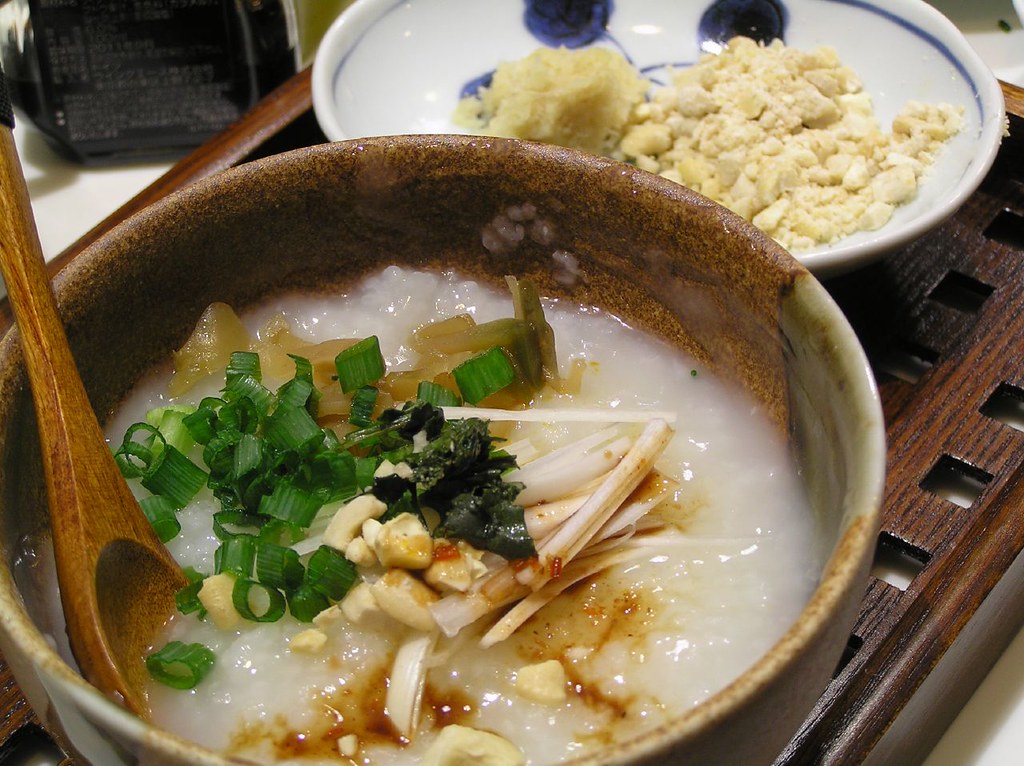
Recipe 3: Lotus Seed and Red Bean Soup, an Afternoon Sweet Soup
You will need 25 grams of dried lotus seeds, 50 grams of red beans, one small piece of dried tangerine peel, and 12 grams of rock sugar. Soak the red beans overnight and the lotus seeds for two hours. Put the red beans in a pot with 900 milliliters of water, bring to a boil, then simmer on low heat for 30 minutes. When the beans have just begun to split open, add the lotus seeds and the tangerine peel and cook for another 20 minutes. Add the rock sugar just before serving.
Use only a small piece of tangerine peel. It removes any flat, beany taste and lightens the soup, but too much will turn it bitter. The finished soup has sandy red beans and powdery lotus seeds, and a bowl at three or four in the afternoon is more filling than milk tea and far less sweet. Dried tangerine peel, called chen pi in Chinese, is aged citrus peel used in small amounts to aid digestion and add fragrance.
Pairing Lotus Seeds: Combinations That Work, and Ones to Avoid
Lotus seeds pair well with many gentle ingredients. White fungus, lily bulbs, red dates, and Chinese yam are all mild, neutral partners that suit most people for daily eating. Add 30 grams of Chinese yam to lotus seed porridge if your digestion is weak and you are prone to loose stools. Cook lotus seeds with 60 grams of millet for a fine, smooth porridge that suits older adults and young children.
A few combinations need care. Do not eat lotus seeds together with a large amount of cold food, for example eating lotus seed soup right after crab or an iced drink, because the cold can upset a sensitive stomach. If you have severe diarrhea, skip lotus seed sweet soup until your digestion recovers. People with noticeable constipation should also eat less: lotus seeds are high in starch and have an astringent quality in traditional food culture, meaning they tend to firm the stool.
If you have diabetes, count lotus seed porridge as part of your staple food for the day. One bowl is roughly equal to one small bowl of plain rice, so use less rock sugar, or leave the sugar out entirely.
Who benefits most? Office workers who sleep poorly, older adults who feel cold in autumn and winter, and teenagers who need steady energy. Who should be cautious? People with cold, weak digestion and frequent loose stools, people with severe constipation, and anyone allergic to lotus seeds. Allergy is rare, but try a few seeds and wait half an hour the first time. Pregnant women and children can eat lotus seeds, but use half the usual amount, remove the green center, and keep the sugar low.
Practical Tips for Eating Lotus Seeds in Autumn and Winter
Store dried lotus seeds in a sealed jar in a cool, dry place, and they will keep for more than six months. In humid southern weather, add a small food-grade desiccant packet to the jar. If the seeds grow white fuzz or smell sour, they have gone moldy. Throw the whole jar away. Washing will not make moldy seeds safe to eat.
There is a small cooking trick worth knowing: after soaking, put the lotus seeds in cold water and heat them together with the water, so they warm up evenly and turn soft and powdery. If you drop them into water that is already boiling, the outside tightens up at once and the inside stays hard. If you want them to soften faster, add a tiny pinch of baking soda to the soaking water, soak for two hours, then rinse well before cooking. Use this trick once or twice a week at most.
Frequency matters more than portion size. Eat lotus seeds two or three times a week, a small handful each time, and keep it up for a month. That is far more useful than eating one huge bowl on a single day. Lotus seeds are an everyday food, not a medicine.
Eaten well, lotus seeds are a gentle presence on the autumn and winter table: a bowl of lotus seed and lily bulb porridge to start the morning, a pot of lotus seed and white fungus soup to warm the evening. This weekend, start with the white fungus soup: 10 grams of white fungus, 30 grams of lotus seeds, 5 red dates, and 50 minutes on the lowest heat. You can be drinking it tonight. Eat half a small bowl the first time, and if it feels comfortable, keep the same amount next week.
Quick Answers
How much should I eat at once? About 20 to 30 grams of dried lotus seeds, roughly a small handful, two or three times a week.
Should I remove the green center? For everyday porridge and soup, yes, especially if your digestion is weak or cold, or if children and older adults are eating it. Keep the plumule only if you want to brew it separately as a tea.
Fresh or dried lotus seeds? Fresh seeds soften in about 15 minutes and suit quick soups. Dried seeds need two to three hours of soaking, but they store for months.
Can people with diabetes eat lotus seed porridge? Yes, but count it as staple food. One bowl is roughly equal to one small bowl of rice, and it is better with little or no added sugar.
How do I stop lotus seeds from staying hard? Soak them first, start them in cold water, and cook on low heat.
Disclaimer: This article is food and nutrition information for general reference only. Food-based eating cannot replace medicine, and it does not promise any cure or treatment effect. Lotus seeds are an ordinary food, and individual bodies differ. Pregnant women, children, people with chronic illness, and anyone taking medication should consult a doctor or a qualified nutrition professional before changing their diet. If you feel unwell after eating, seek medical care promptly.