It is nine in the evening. Outside the window it is minus five degrees. You come home, peel off your ice-cold socks, and lower your feet into a basin of hot water. Three minutes later, the soles of your feet are warm, the chill leaves your shoulders, and you feel alive again. That is the whole appeal of the winter foot soak — a simple, old-fashioned ritual that costs almost nothing and yet changes how the rest of your evening feels.
In Chinese households, soaking the feet in hot water before bed is a nightly habit that goes back centuries. It is not a medical treatment and it is not a cure for anything. It is a small daily practice: warm water, twenty quiet minutes, and a body that is ready to sleep. This guide covers how to do it well — the right temperature, the right duration, four classic herbal blends, who benefits most, and the situations where you should skip it or take extra care.
Temperature and Duration: How to Soak Comfortably and Safely
Temperature comes first. For most people, 38 to 42 degrees Celsius (100 to 108 degrees Fahrenheit) is the comfortable range: dip your hand in and it feels hot but bearable, and your feet adjust within three to five seconds. Anything above 45 degrees (113 Fahrenheit) is too hot. If your skin turns red and stings, you have not “soaked deep enough” — you are on your way to a burn.
If you do not have a thermometer, there is an easy test. Fill the basin, test the water with the back of your hand, then touch the surface with your toes. If it feels sharply hot, add a small cup of cold water until you can put both feet in without flinching. The water should feel hot and welcoming, never punishing.
Keep the soak to 15 to 20 minutes. That is enough for a light sweat to appear on your forehead and warmth to spread across your back. That is your signal to stop. Soaking for 30 minutes or more often leaves people dizzy or light-headed, especially on an empty stomach or right after a meal. Mr. Zhang, 65, used to soak for 40 minutes while watching television. Twice he stood up and the room went dark in front of his eyes. He switched to a 20-minute timer and the problem never came back.
Water level matters too. At a minimum, the water should cover your ankles. Ideally it should reach about 10 centimeters below your calves, so the lower leg muscles are wrapped in warmth as well. If the water cools quickly, top it up once with hot water. Once it drops below 35 degrees (95 Fahrenheit), it has lost its point — better to start a fresh basin. When you finish, do not step barefoot onto a cold floor. Dry your feet thoroughly, including between the toes, and put on thick socks. That layer of warmth will stay with you for another half hour.
Four Classic Herbal Blends: Recipes and Amounts
Plain warm water is already enough. If you want to add something, pick one of the four blends below — never mix them all together. Each one suits a different kind of winter discomfort.
Mugwort (Ai Ye): For Cold Hands and Feet
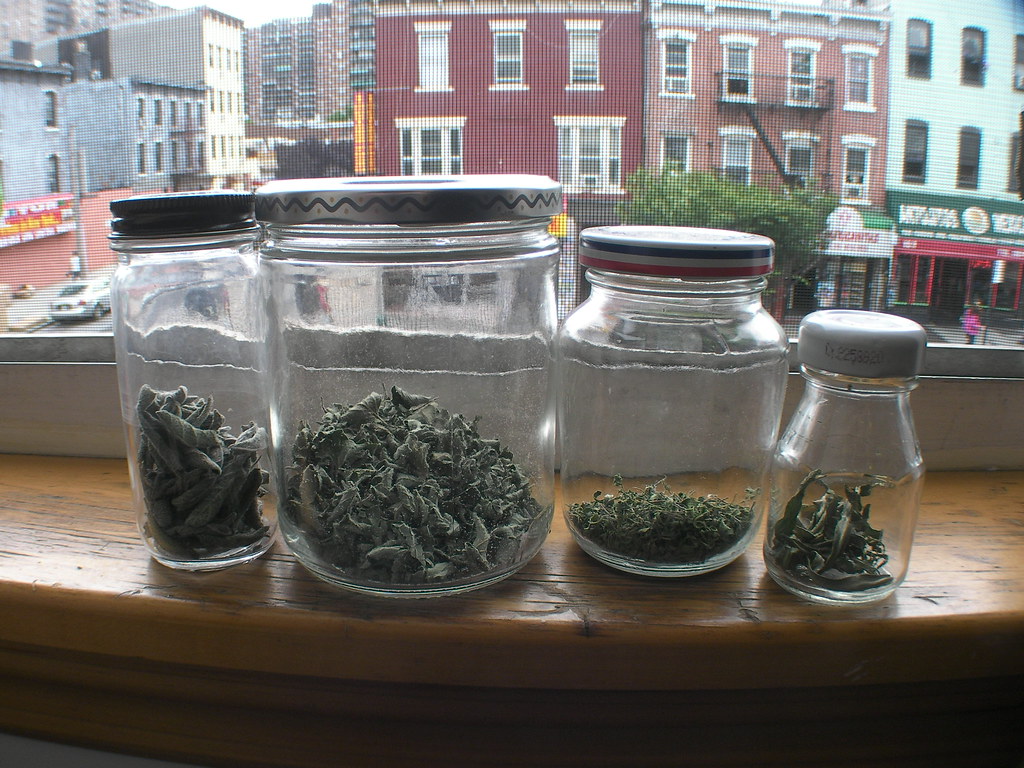
Take about 30 grams of dried mugwort leaves, add 1 liter of water, and boil for 10 minutes. Strain the liquid and pour it into your foot bath. This is the classic choice for people whose hands and feet stay cold all winter, or whose knees feel chilled. Two or three times a week is plenty.
Fresh Ginger: For a Cold, Damp Evening
Slice three or four pieces of fresh ginger, or crush a thumb-sized piece, and boil for 5 minutes before adding it to the water. This one is for the night you come home soaked by rain or blown through by a cold wind. You will sweat lightly afterward and sleep more soundly.
Safflower (Hong Hua): For Heavy, Swollen Legs
Take about 10 grams of safflower, wrap it in a small cloth bag, and boil for 8 minutes. This suits people who sit all day, whose legs feel heavy, or whose ankles tend to swell. A small packet costs only a few yuan at any pharmacy.
Cinnamon Twig and Sichuan Pepper: For People Who Feel Cold and Sweat Easily
Combine 10 grams of cinnamon twig (gui zhi, the young branch of the cinnamon tree used in Chinese herbal practice) with about 15 Sichuan peppercorns, and boil them together for 10 minutes. This blend is for people who are always cold yet break into a light sweat for no clear reason. The smell is strong — open a window before you soak.
More herbs does not mean a better soak. The first time you try a new blend, use half the amount and watch how your skin reacts. If there is no itching or redness, use the full amount next time. Let the herbal liquid cool to a safe temperature before you mix it in — never pour boiling liquid straight into the basin. Make a fresh batch every day; do not save leftover herbal water for the next evening.
Who Benefits Most
People with cold hands and feet notice the difference fastest. Lin, a 28-year-old programmer, spends all day at a desk in winter with fingers so cold they stiffen on the keyboard. A 20-minute soak before bed warms his feet, and his time to fall asleep dropped from about 40 minutes of tossing and turning to around 15 minutes. Light sleepers and people who wake in the middle of the night can try the same thing: soak one hour before bed, let your body temperature rise and then fall, and that falling temperature itself makes you drowsy.
Office workers who sit all day, long-distance drivers, and shop assistants who stand for hours all benefit from giving their legs a chance to unwind. People who work outdoors in winter find that a soak after work clears the ache and heaviness from their feet faster than anything else. Older adults benefit too, but with two adjustments: use water one degree cooler and soak five minutes shorter, and have someone nearby to lend a hand when standing up. Keep non-slip slippers within reach before you start.
Cautions: When to Skip It or Take It Slowly
Some situations call for caution, and a few mean skipping the soak altogether until things improve.
Diabetes. This is the most important warning in this guide. Long-term high blood sugar can dull the feeling in your feet, so water at 45 degrees may feel “fine” while it is quietly burning the skin. Always measure the temperature with a thermometer, keep it below 38 degrees (100 Fahrenheit), and limit the soak to 15 minutes. Afterward, check the soles of your feet and between the toes carefully for any broken skin or redness.
Varicose veins. If the veins in your legs are visibly bulging, avoid long soaks in very hot water. Heat expands the blood vessels further and leaves the legs feeling heavier and more swollen.
Broken skin or wounds. If you have cuts, blisters, weeping athlete’s foot, or any unhealed wound on your feet, wait until the skin has fully healed before soaking.
Pregnancy. Keep the water below 38 degrees and the soak under 15 minutes. Skip the blood-moving herbs such as mugwort and safflower for now, and ask your doctor if you are unsure.
Timing. Do not soak within half an hour after a meal, after drinking alcohol, or on an empty stomach. After eating, blood is concentrated in the digestive system, and a foot soak pulls it away, which can cause indigestion. After drinking, a soak raises the heart rate and makes blood pressure fluctuate — the risk is higher than most people realize.
If you feel your heart racing, your chest tightening, dizziness, or unusually heavy sweating during a soak, stop immediately. Dry your feet, sit down, and drink some warm water. If the symptoms do not ease, see a doctor.

Start Tonight: The Simple Method
A winter foot soak does not need to be complicated. Hot water at 38 to 42 degrees, deep enough to cover your ankles, for 15 to 20 minutes, until you break a light sweat. Add mugwort or ginger if your hands and feet are always cold, safflower if your legs feel heavy. Two or three times a week, and within two weeks you will feel the difference. Tonight, one hour before bed, boil a kettle, adjust the temperature, set a 20-minute timer, and try it once. You will know immediately whether it suits you. Remember the two rules: do not chase hotter water, and do not chase longer soaks. Comfortable, with a light sweat, is exactly right.
Quick Answers
What is the best water temperature for a foot soak? Between 38 and 42 degrees Celsius (100 to 108 Fahrenheit). Above 45 degrees risks burns. People with diabetes should stay below 38 degrees and always use a thermometer.
How long should I soak my feet? 15 to 20 minutes is the sweet spot. Stop when your forehead shows a light sweat. More than 30 minutes often causes dizziness, especially on an empty stomach or right after a meal.
How deep should the water be? At least above the ankles, ideally about 10 centimeters below the calves. Top up with hot water once if it cools, and start fresh if it drops below 35 degrees.
Which herbs should I add? Mugwort for cold hands and feet, fresh ginger after a cold or rainy day, safflower for heavy and swollen legs, and cinnamon twig with Sichuan pepper for people who feel cold and sweat easily. Use one blend at a time, and try half the amount first.
Can I soak my feet every day? Plain warm water every day is fine for most healthy adults. Herbal blends are best kept to two or three times a week.
Who should avoid foot soaks? People with diabetes, severe varicose veins, broken skin or unhealed wounds on the feet, and pregnant women should take extra care or ask a doctor first. Avoid soaking right after eating, after drinking alcohol, or on an empty stomach.
Disclaimer: A foot soak is a daily wellness practice, not a medical treatment. It does not replace medication or professional medical advice. People with diabetes, varicose veins, broken skin, or who are pregnant should be cautious and follow their doctor’s guidance. This article is for reference only and makes no promise of any therapeutic effect. If you feel unwell, please seek medical care promptly.