Two candidates walk into a job interview. Same suit, same resume, same rehearsed smile. One holds your gaze calmly while answering a hard question; the other glances at the ceiling, the floor, the clock on the wall. Before either of them finishes a sentence, you have already formed an opinion. Most of us decide within three seconds.
There is an old Chinese saying that the eyes are the windows of the soul. In mianxiang — Chinese physiognomy, the traditional art of reading character from facial features — the eyes rank first among the five features of the face. Not because they predict fate, but because they are the hardest part of the face to fake. This guide explains what the tradition actually says about eye shapes, and how to use that knowledge as a practical tool for reading people — including yourself.
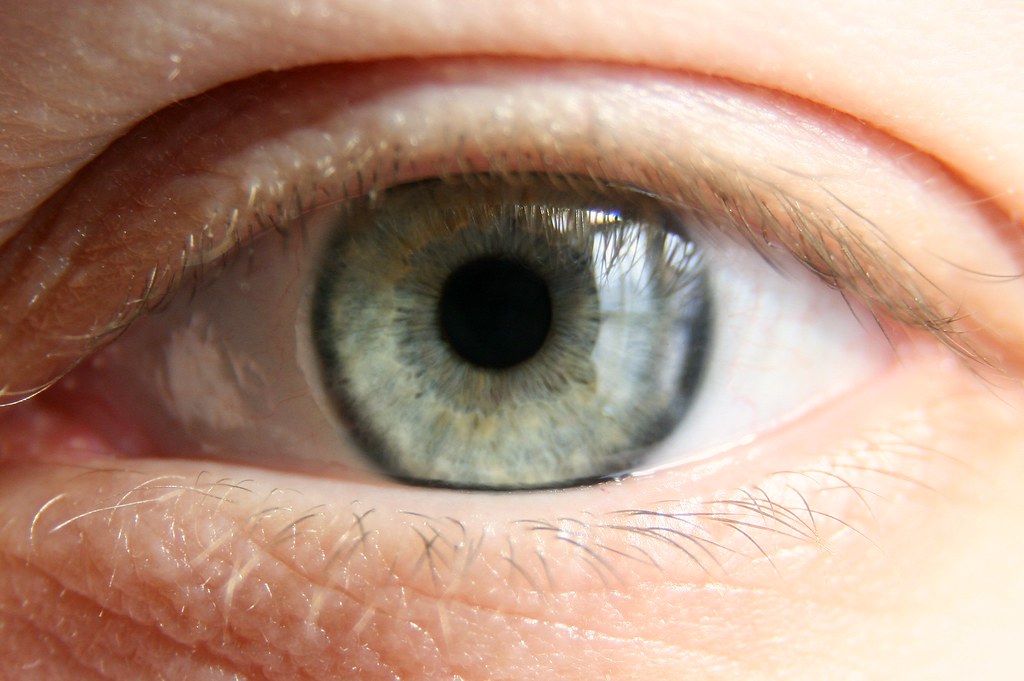
First, Sort Eyes into Three Shapes: Round, Long, and Narrow
Traditional physiognomy does not start with double eyelids or single eyelids. It starts with the overall outline of the eye. The old texts sort eyes into three broad types: round, long, and narrow.
Round eyes show more of the whites and more of the iris. They look wide open, and the gaze tends to follow the conversation — emotion shows on the face in real time. Long eyes stretch wider at the corners, with a shorter distance between the upper and lower lids. The gaze often sweeps across a room levelly, giving an impression of calm and composure. Narrow eyes have a thin opening; less of the iris shows, and when the person smiles the eyes curve into crescents. In everyday life they often look half-open, as if the person is observing quietly.
None of the three is better than the others. What matters is whether the eyes fit the rest of the face. A round face with round eyes looks warm and approachable — a natural fit for work that involves meeting people all day, such as front-desk reception, community mediation, or teaching young children. Put the same round eyes on a long, angular face and the proportions feel off; the first impression may come across as hasty or impatient. Long eyes with thick eyebrows can feel commanding — the kind of presence that holds a lecture hall or a negotiation table. Long eyes with light eyebrows soften that effect, more like a quiet observer in the corner of the room.
A story from a Qing-dynasty physiognomy book makes the point well. A private-school teacher chose how to teach each new pupil partly by looking at their eyes. Children with round, bright eyes usually memorized quickly and recited texts fast. Children with long, narrow eyes could sit still and read the same passage twenty times without getting bored. So the teacher asked the first group more questions and gave the second group longer passages to memorize. What the eyes revealed was a habit of attention, not a measure of ability.
The Gaze Matters More Than the Shape: Clear, Clouded, Steady, and Restless
There is a line in the old texts: “Read the spirit before you read the eye.” The shape of the eye is the frame; the gaze is the life inside it. The same person looks like two different people after eight hours of sleep versus three sleepless nights. The tradition sorts the quality of the gaze into four words: clear, clouded, steady, and restless.
Clear means clean whites and bright, dark irises, with a gaze that focuses. Clouded means yellowed whites and a hazy film over the iris, with a gaze that drifts. Steady means the eyes do not dodge — they stay on the person or the object being discussed, and they do not wander while listening. Restless means the eyeballs move fast; before one sentence is finished, the gaze has already scanned the whole room.
Of the four, “steady” deserves the most attention. Interviewers know this pattern well: a candidate with a polished resume is asked about a specific project detail, and their eyes drift toward the upper-left corner while their voice gets quieter. That does not prove they are lying. It usually means their attention has shifted from answering the question to worrying about answering it wrong. By contrast, a person whose gaze stays steady may take a moment longer to answer, but they will look at you, say “Let me think about that,” and then explain point by point. When you hand work to such a person, colleagues feel safer about it.

Five Eye Shapes the Old Books Mention Most
The physiognomy books name five eye shapes more than any others, each with a traditional character description. Read them as summaries of centuries of people-watching, not as labels to stick on anyone.
Peach-Blossom Eyes: Upturned Corners, a Hint of a Smile
Peach-blossom eyes turn slightly upward at the outer corners, shaped like a petal. Even at rest, they seem to carry a trace of a smile. The old texts say people with these eyes attract others easily and make friends wherever they go. In modern terms, they tend to do well in social settings: at a dinner they look after the new guest, and in a group chat one message from them can revive a conversation that has gone cold. Being popular does not mean being unfocused, though. People with peach-blossom eyes who work in jobs that demand long stretches alone — writing code, running experiments — should deliberately protect blocks of uninterrupted time.
Phoenix Eyes: Long and Narrow, Hooked Inside, Lifted Outside
Phoenix eyes are long and narrow: the inner corner dips down, the outer corner lifts up, and when open they look like a narrow fan. The tradition credits them with a fine eye for detail, a good memory, and the patience to stick with one thing for a long time. On the Chinese opera stage, the hero Guan Yu is always painted with phoenix eyes — the look is meant to convey dignity and loyalty. In real life, people with this eye shape often have an edge in detail-heavy work such as finance, quality inspection, or copyediting: one extra zero or one missing decimal point in a contract, and they spot it at a glance.
Triangular Eyes: A Straight Upper Lid and a Sharp Corner
Triangular eyes have a fairly straight upper lid line that meets the corner at a clear angle, giving the gaze a sharp edge. The old books judge them harshly, describing their owners as shrewd and hard to fool. Looked at from another angle, shrewdness is not a flaw: at a market stall or across a negotiating table, people with triangular eyes rarely get the worse end of a deal. The real risk is first impressions. Triangular eyes paired with tightly pressed lips can look unapproachable, so in daily conversation a little extra warmth — a smile, one more sentence of explanation — can cut misunderstandings in half.
Three-Whites Eyes: The Iris Sits High or Low, Exposing White on Three Sides
Three-whites eyes come in two forms. In upper three-whites, the iris sits low and white shows above it; in lower three-whites, the iris sits high and white shows below it. The old texts describe upper three-whites as strong-willed and hard to manage, and lower three-whites as deep-thinking and guarded. A more common explanation today is physical: strong nearsightedness, chronic sleep deprivation, and tired eye muscles can all make the iris look off-center. Someone who has worked overtime for two weeks straight will often show a hint of three-whites; three good nights of sleep and most of it is gone.
Round and Almond Eyes: Full Irises, Clear Black and White
Almond eyes are shaped like an apricot kernel — round irises with a sharp contrast between black and white. The old books speak of them warmly. The tradition says people with almond eyes are straightforward, sincere, and quick to feel emotions but equally quick to let them go. Kindergarten teachers, nurses, and customer-service staff — jobs that mean facing strangers’ emotions all day — often find that almond eyes help people lower their guard. One reminder, though: sincerity is not the same as having no boundaries. People with almond eyes sometimes need to practice saying “no” out loud when a request is unreasonable.
How to Read Eyes Without Going Astray
Eye reading has been passed down for over a thousand years. The genuinely useful part is the method of observation the old masters left behind, not the one-line verdicts about fate. The same pair of eyes looks different at 8 a.m. and after three back-to-back meetings in the afternoon; the same person at twenty and at fifty does not have the same gaze. Treating an eye shape as a fixed label of destiny is the most common mistake in physiognomy. The right approach is to treat the eyes as a mirror: they reflect a person’s state of mind, their habits of attention, and the rhythm of their current life.
Three pieces of advice you can use right away. First, when observing someone, check whether the gaze is steady before you look at the shape of the eyes. A steady gaze means what they say carries more weight and working with them takes less effort. A restless gaze does not necessarily mean unreliable — they may simply have something else on their mind at that moment. Talk again another time and your impression may change completely.
Second, look in the mirror once a day. If your eye whites have been yellowish for a week running, or the bags under your eyes keep getting heavier, your body is telling you to sleep earlier. That message is worth more than any physiognomy verdict.
Third, never judge a person by their eye shape alone. When hiring, making friends, or choosing a business partner, the eyes can only be one reference point. What really decides whether someone is worth knowing deeply is how they have conducted themselves, consistently, over three months — not the pair of eyes they were born with.
Quick Answers
Which eye shape is the best? None of them. Round, long, and narrow eyes each suit different faces and different kinds of work. Fit with the rest of the face matters far more than the shape on its own.
What matters more — eye shape or the gaze? The gaze. A steady, clear gaze signals focus and reliability; a restless or clouded gaze usually reflects tiredness or a distracted mind, and it can change within days.
Can eye reading predict the future? No. In this guide, physiognomy is treated as a cultural tradition of observation, not as fortune-telling. Eyes reflect attention habits and current condition — they do not fix a person’s destiny.
How can I use this in daily life? Watch for steadiness first, then shape. And check your own eyes in the mirror each morning: clarity, steadiness, and tiredness are three things you can read in ten seconds — and they tell you more about your health than about your luck.
The eyes are the part of the face that lies least, and the part most easily misread. Learning to read them is not about predicting anyone’s fate. It is about understanding the people around you more accurately — and facing the person in the mirror more honestly. Starting today, spend ten seconds a day looking at your own eyes: are they clear, are they steady, are they tired?