It’s 1 a.m. Outside the window it’s three degrees below zero. You’re wrapped in two layers of blankets, tossing and turning, and your feet are still cold. Your eyes are heavy with exhaustion, yet your mind is as wide awake as it was at noon. This particular winter feeling — tired but unable to sleep — is something most people have lived through.
Winter sleep trouble is rarely one single problem. Cold feet, short days, dry heated rooms, and a body clock thrown off by early darkness all pull in different directions. The good news is that most of it responds to small, practical changes. This guide walks through why winter sleep goes wrong, what to do when you can’t fall asleep, how to set up your bedroom, and how to adjust your daily rhythm — plus the details that matter for office workers, older adults, and children.
Why Winter Makes Sleep Harder: Understanding What Changes in Your Body
When the temperature drops, your body redirects more blood flow — and therefore more warmth — to your torso and internal organs. Your hands and feet get less. That is why so many people climb into bed in winter with icy feet, and why cold feet matter more than they seem: your brain reads cold feet as a signal that the body is not ready for sleep yet, so falling asleep takes longer. Studies have found that warming the feet by even one degree can shorten the time it takes to fall asleep by several minutes. In winter, warming your feet comes before warming your body.
The second change is light. Winter days are short — at 7 a.m. the sky is still barely bright, and by 5 p.m. it is dark. That shifts the rhythm of melatonin, the hormone that tells your body when to feel sleepy: you feel drowsy when you should be alert, and alert when you should be winding down.
A third group of problems hides under the covers. In homes with central heating, bedroom temperatures often climb above 24°C while the air turns bone dry, and you wake up several times a night with a parched throat. In homes without heating, the bedroom may sit at just over 10°C — too little blanket and you’re cold, too much and you’re trapped, unable even to turn over comfortably. The causes differ from person to person, so start by figuring out which one is yours, then adjust accordingly.
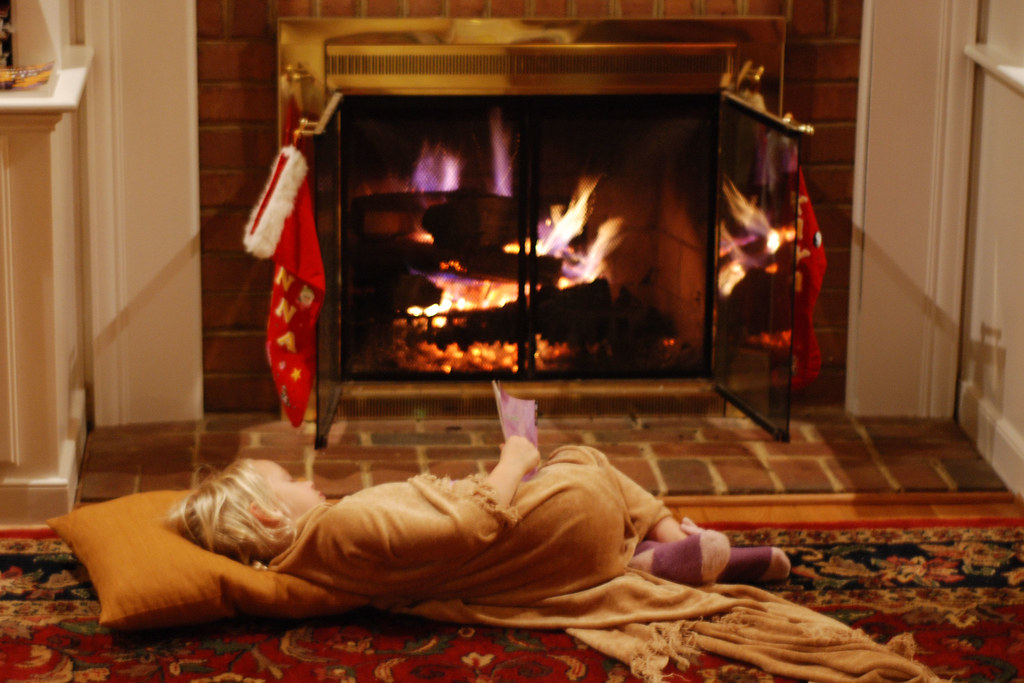
Can’t Fall Asleep: Three Fixes You Can Try Tonight
When sleep won’t come, the worst thing you can do is lie there staring at the ceiling and counting the minutes — the more you watch the clock, the more anxious you get. Try the fifteen-minute rule: if you have been lying awake for more than fifteen minutes with no sign of sleepiness, get up and go to the living room. Dim the lights, read a few pages of a book, or listen to some gentle music, and return to bed only when your eyelids start to feel heavy. When the bed is used only for sleeping, your brain relearns the connection between “getting into bed” and “falling asleep.”
What you do during the day matters just as much. Winter offers fewer chances to get sunlight, so try to get outside between 10 a.m. and 3 p.m. — even just going downstairs to buy groceries or walking two laps around the block. About thirty minutes of daylight a day helps melatonin fall into a steadier rhythm, and you will feel sleepy more easily at night. Exercise is best finished before 4 p.m.; a vigorous workout in the evening raises your body temperature, and it can take another one or two hours before you are ready to fall asleep.
Food plays a role too. Eat dinner until you are about seventy percent full, and stop eating two hours before bed. If you feel hungry late at night, half a cup of warm milk or half a small banana is enough — just something to take the edge off. Coffee and strong tea should be finished by noon: the caffeine from a cup of coffee at 3 p.m. is still half there at 10 p.m., which is more than enough to keep a light sleeper tossing and turning.
- Fix your wake-up time: Even after a bad night, get up at the same time the next morning. Your body clock is calibrated by when you get up, not by sleeping in.
- Put the phone away an hour before bed: Short videos and work group messages keep your brain buzzing. Switch to a paper book or some gentle stretching, and falling asleep becomes much easier.
- Keep one warm lamp in the bedroom: Cool white light suppresses melatonin. Swap the ceiling light for a warm yellow bedside lamp before bed, and your body gets a clearer “time to sleep” signal.
Bedroom Warmth and Humidity: The Details Most People Miss
The most comfortable bedroom temperature is between 18°C and 22°C. If you have central heating, turn the bedroom radiator down a notch and open the window for half an hour before bed to let fresh air in — lower carbon dioxide levels mean less stuffiness and deeper sleep. If you have no heating, the goal is not to heat the whole room, but to warm the bed itself: heat the bed with a hot water bottle or an electric blanket before you get in, so the sheets are warm when you lie down, then switch the electric blanket off after about half an hour. Sleeping on it all night dries out your skin.
Thicker is not always better when it comes to blankets. A blanket that is too heavy presses on your chest, makes turning over a struggle, and can wake you up feeling suffocated; one that is too light leaves you cold. For most adults, a duvet of around 1.5 to 2 kilograms is about right. If you tend to feel cold, add a thin extra blanket on top — the weight is spread out, and the warmth is actually better.
Humidity is the factor people forget most often. In a room with the heating or air conditioning running, winter humidity often falls below 30%, leaving your nose and throat so dry that you wake up coughing in the middle of the night. Place a bowl of water in the bedroom, hang a damp towel, or use a humidifier to keep humidity between 40% and 60%. Your throat will feel noticeably better in the morning.
Foot Soaks and Daily Rhythm: Resetting Your Body Clock for Winter
A foot soak is the cheapest sleep aid winter has to offer. About an hour before bed, soak your feet in warm water at around 40°C for fifteen to twenty minutes, with the water covering your ankles. Stop when your forehead feels slightly damp with sweat. The warm water dilates the blood vessels in your feet, heat escapes from the soles, and your core temperature slowly falls — and that falling temperature is exactly the signal your brain needs to hear “it’s time to sleep.” Dry your feet afterward, put on thick socks, and climb into bed with warm feet all night long.
There are a few things to get right: keep the water below 45°C. If you have diabetes or poor circulation in your legs, test the water with your wrist first and only put your feet in when it feels warm, not hot. And don’t soak until you’re drenched in sweat — a light perspiration is enough; overdoing it leaves you drained rather than relaxed.
As for your schedule, winter suits the old Chinese saying of “early to bed, late to rise” — in traditional Chinese health culture, winter is seen as a season for storing energy, like animals resting through the cold months. Aim to be in bed before 10:30 p.m. and up around 7 a.m., following the rhythm of the light. Keep naps to twenty minutes or less, and don’t nap after 3 p.m., or falling asleep at night only gets harder.
Winter Sleep for Different People
Office Workers: Don’t Let Overtime Steal Your Sleep
Many office workers sleep badly in winter not because they don’t want to sleep, but because work has squeezed their sleeping hours away. Still answering messages at 11 p.m., then up again at 7 a.m. — the sleep debt keeps growing. Draw a line for yourself: after 10:30 p.m., no non-urgent work, and switch your phone to do-not-disturb. If you really can’t get enough sleep, a twenty-minute eyes-closed rest at midday does far more good than sleeping ten hours on the weekend.
Older Adults: Watch the Warmth and the Nighttime Trips
Older people feel the cold more and get up at night more often. Keep a small night light on the path from the bedroom to the bathroom, so nobody has to feel their way in the dark and risk a fall. After getting up at night, sit for a minute or two before lying back down, so a sudden change in posture doesn’t cause dizziness. Sleep is naturally lighter with age — more sunlight and more movement during the day make for a steadier night. If you regularly wake up more than three times a night, or feel drowsy all day, it’s worth getting your sleep checked at a hospital.
Children: A Fixed Schedule Beats Catch-Up Sleep
Children often stay up late in winter, mostly because they spend less time outdoors during the day and haven’t burned off their energy. Take them outside after school to run and jump, walk together as a family for twenty minutes after dinner, and put electronic devices away half an hour before bed. A story or a picture book makes falling asleep much easier. School-age children need nine to ten hours of sleep a day, and a fixed bedtime matters far more than sleeping in on the weekend.
Quick Answers
What is the best bedroom temperature for winter sleep? Between 18°C and 22°C, with humidity kept at 40% to 60%. Too hot and too dry are the two most common bedroom mistakes in winter.
Does a foot soak really help you fall asleep? Yes. Warm water at around 40°C for fifteen to twenty minutes dilates the blood vessels in your feet, lets heat escape, and triggers the slow drop in core temperature that signals sleepiness. Keep the water below 45°C and stop at a light sweat.
Why do my feet stay cold even under two blankets? In cold weather your body sends more blood to your torso and organs, so your feet get less. Warm your feet first — a foot soak and thick socks work better than piling on more blankets.
Is it okay to nap in winter? Yes, but keep it under twenty minutes and never after 3 p.m., or it will push your nighttime sleep later.
How do I fix a body clock that is upside down in winter? Get about thirty minutes of daylight between 10 a.m. and 3 p.m., keep the same wake-up time every day even after a bad night, and get into bed before 10:30 p.m. Your body clock is reset by when you rise, not by sleeping in.
Your Winter Sleep Plan: Start Tonight
There is no shortcut to better winter sleep — just a few small things done consistently: a fifteen-minute foot soak before bed, a bedroom at 18°C to 22°C, humidity at 40% to 60%, in bed before 10:30 p.m., and thirty minutes of sunlight a day. You can do two of them tonight: soak your feet, then open the bedroom window a crack for some fresh air. Sleep well, and your daytime energy and your body’s resilience will follow.
Try this tonight: Put your phone down an hour before bed, soak your feet in 40°C water for fifteen minutes, and put on thick socks before getting into bed. Tomorrow morning, get up at 7 a.m., open the curtains, and spend ten minutes in the sunlight before starting your day. Keep it up for a week and notice whether you fall asleep faster.
Disclaimer: This article is for general information only and is not a substitute for medical advice. Most winter sleep problems are linked to daily habits, but if you experience long-term insomnia, frequent nighttime breathlessness, severe daytime sleepiness, or symptoms such as chest tightness or heart palpitations, please see a doctor promptly. No treatment effect is promised here, and any of the methods above should be adapted to your own situation and used within your limits.