You wake up in the middle of the night, heart racing. In the dream you were standing in the middle of a wedding hall in a red bridal gown, drums pounding so loudly your ears were ringing. And the first thing you do when you open your eyes is reach for your phone and search: what does it mean to dream about getting married — good luck or bad?
This article walks through the most common wedding dreams, one by one — the traditional Chinese interpretations and what modern psychology says about them — so you can see what your dream is actually pointing at.
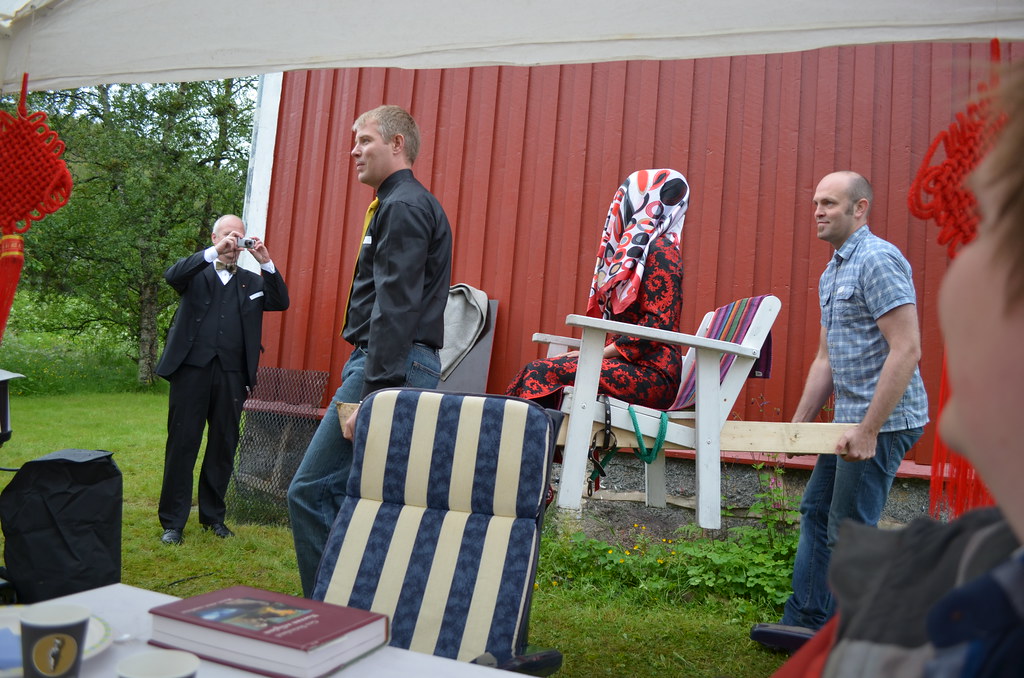
Dreaming of Your Own Wedding: Tradition Usually Reads It as “Change Is Coming”
In Zhou Gong’s Dream Interpretation — the classic Chinese dream dictionary that has been consulted for over a thousand years — dreaming of your own wedding is most often read as a sign that good news is on the way, or that your relationships are about to shift into something new. Older generations put it simply: if you are single, the dream may hint that a relationship is near; if you are already married, it usually points to a turning point in work, a move, or a new partnership — not to a second wedding.
Modern psychology looks at the same dream from a different angle. A wedding in a dream rarely means marriage itself. Instead, it works as a symbol for switching from one stage of life to the next. People in their late twenties, people who have just changed jobs, or people who have just moved into a new home dream about weddings far more often than others. While you sleep, your brain translates “I am stepping into a new chapter” into the most vivid ceremony it knows: a wedding.
Here is a real example. One reader dreamed, on the very night she received a job offer from a new company, that she was walking down the aisle in a white wedding dress — and every guest in the hall was a future colleague. When she woke up, it felt absurd. Then she thought about it again and realized the feeling was identical: in the dream she was walking toward a new identity while everyone watched, and that was exactly how the first day at a new job feels.
As a traditional belief, for reference only: dreaming of your own wedding celebration is often read in folk tradition as “good fortune on the way.” If you felt unhappy in the dream, the old reading is to watch out for gossip or petty arguments in the near future.
Dreaming of Someone Else’s Wedding: The Bystander’s Dream Reflects Your Own Life
Dreaming that a friend, a colleague, or a relative is getting married is the most common type of wedding dream. In the old dream books, this kind of dream is often read as “someone else’s joy rubs off on you” — you share in the celebration, and some of that happiness comes your way too.
Psychologically, a dream in which you are only watching often mirrors your own situation. Seeing someone else walk into marriage can quietly force a comparison with your own love life, the pressure of your age, or simply how much you care about that friend. In the week before a close friend’s wedding, many people dream about her ceremony night after night, remembering even the order of the toasts.
There is another common version of this dream: your ex is getting married. It is the one most likely to leave you with a heavy feeling when you wake up — but its meaning usually has nothing to do with that person. More often, your brain is confirming that a chapter is closed, using a wedding to draw a clean line under the past. Plenty of people who have had this dream say they actually felt lighter after waking up.
As a traditional belief, for reference only: dreaming of someone else’s wedding is traditionally read as “joy is at the door.” If the scene in the dream was lively and festive, the folk reading leans auspicious; if it felt cold and empty, the old advice is to keep a low profile for a while.
When the Wedding Goes Wrong: Running Late, a Missing Groom, a Torn Dress
These are the dreams that leave your heart pounding when you wake up: you cannot make it to the ceremony, the groom or bride is nowhere to be found, the wedding dress suddenly tears, or not a single guest shows up. Dream books usually group these with anxiety dreams, in the same family as being late for an exam or missing a train.
The Jungian school of psychology reads this kind of dream as anxiety about being unprepared. In waking life, something important is coming up — a job interview, an exam, a contract signing, a public speech — and the dream takes that fear of messing up and stages it at a wedding, the one occasion where nothing is allowed to go wrong.
Picture a real scene: two weeks before her wedding, a bride dreamed three nights in a row that the zipper on her dress would not close and the wedding car took the wrong road. On the actual day, everything went smoothly. Looking back, she said the panic in her dreams was simply the nervousness she would not admit to during the day. The dream had rehearsed the worst-case scenario for her in advance.
As a traditional belief, for reference only: folk tradition has a saying for dreams in which a wedding goes wrong — “bad luck first, good luck after,” the idea being that the dream has already used up the bad luck, so real life will go smoothly. Another old reading advises leaving extra room when making important decisions in the near future.
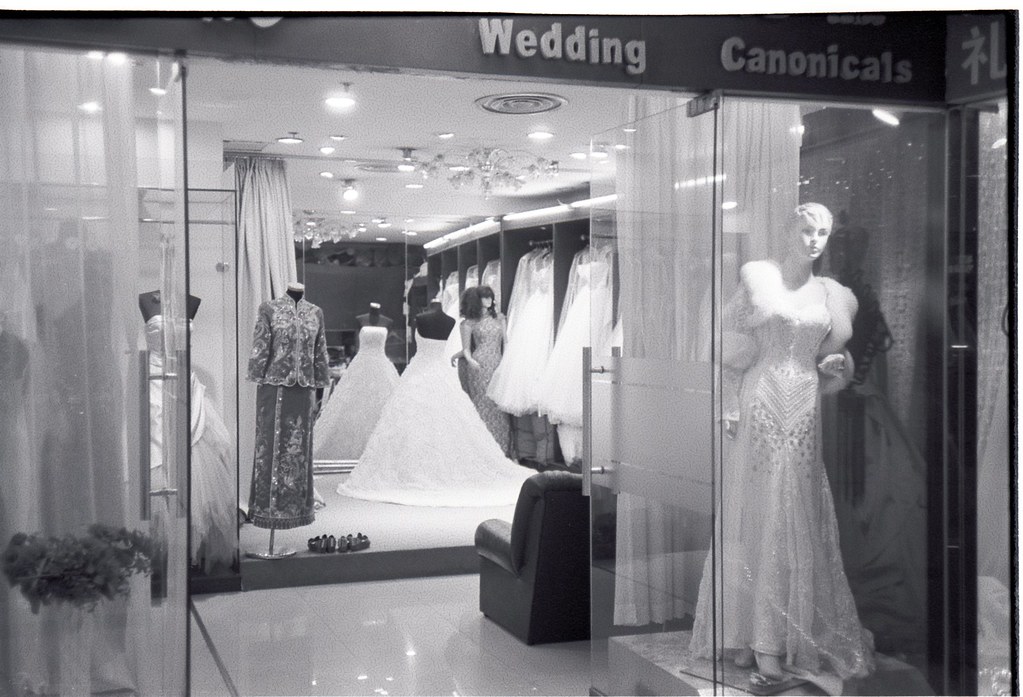
Dreaming of a Wedding Dress or a Red Veil: What the Color Red Really Means
The wedding dress and the red veil are the two most visually striking images in wedding dreams, and each carries a different cultural meaning. The white wedding dress is a relatively recent import in China, and in dreams it usually stands for purity, a fresh start, and the hope of being blessed. The red veil, by contrast, is a genuinely Chinese symbol: red in traditional Chinese culture wards off evil and invites good fortune, while the veil itself carries meanings of modesty, reserve, and the crossing from one identity into another.
In the traditional system of Zhou Gong’s Dream Interpretation, dreaming of red clothing is often read as “celebration is near.” A modern reading asks one extra question: when you put on the red veil in the dream, did you feel excitement — or resistance? Excitement tends to point to a longing for a new life; resistance may mirror a feeling of being pushed into something — being pressured to marry, for instance, or being pushed toward a decision you did not choose.
One detail worth mentioning: a significant share of people who dream of wearing a wedding dress are men. That is not unusual. Gender roles in dreams often get mixed up, and the meaning does not point to gender at all. It points to a psychological need — to feel valued, and to have a relationship formally recognized.

How to Read a Wedding Dream After You Wake Up
At the end of the day, a wedding dream is a mirror. What it reflects is usually your current state of life, not a forecast of the future. Treating a dream as a clue about yourself is far more useful than treating it as a verdict on good or bad luck.
- Write down the details first: the moment you wake up, note how you felt in the dream — happy, nervous, embarrassed, or calm. The emotion tells you more than the plot. The same wedding dream can mean completely different things depending on how it felt.
- Check it against what is happening in your life: ask yourself whether the last two weeks have brought a turning point — a job change, a move, a shift in a relationship, an important exam. Wedding dreams are linked to such moments in the vast majority of cases. Once you find the match, most of the mystery is gone.
- Do not force a match: the claims you find online — “dreaming of a wedding always means money is coming” or “a wedding that goes wrong always means disaster” — are usually oversimplified slogans. Traditional dream interpretation stresses that dreams come from the heart: the same dream can mean opposite things for different people.
- Treat it as a reminder: if this kind of dream keeps coming back, especially when it always involves anxious scenes, take it as a signal from your body that the pressure has been building. Slow down, and get a good night’s sleep.
- If it matters to you, do something real: if you are single and the dream has you thinking about relationships, take the time to think honestly about what kind of relationship you actually want. If you are married and it has you thinking about family, use the weekend to share a meal with them. Turning a dream’s hint into an action beats looking it up again and again.
Quick Answers
Does dreaming of your own wedding mean you are about to get married? Not necessarily. In both the traditional reading and the psychological one, it more often marks a life transition — a new job, a move, a new stage — than an actual wedding. As a traditional belief, for reference only, folk readings do associate it with good news on the way.
What does it mean to dream that your ex is getting married? Usually, it is your mind closing a chapter. The wedding in the dream works as a ceremony that puts a full stop to the past, and many people feel lighter afterward. It rarely has anything to do with the ex themselves.
Is a wedding dream that goes wrong a bad omen? In the traditional view, no — folk tradition even has a saying, “bad luck first, good luck after,” meaning the dream has used up the bad luck. Psychologists read it as ordinary performance anxiety about something important coming up. Either way, it is not a prediction of disaster.
Why did I dream of wearing a wedding dress if I am a man? Dream roles do not follow waking-life gender. The dress stands for being valued and having a relationship formally recognized, not for gender itself. Men dream this more often than most people expect.
What is the red veil in a Chinese wedding? The red veil — called a hong gaitou in Chinese — is the cloth that covers the bride’s head in a traditional ceremony. Red wards off evil and invites good fortune, and the veil marks the bride’s passage into a new identity as a wife.
What is the hejin ritual? The hejin ritual is a traditional Chinese wedding ceremony in which the couple each drink from half of a gourd that has been split in two, then exchange cups. It symbolizes two people becoming one household — the union that the wedding itself celebrates.
From the “good news is coming” of Zhou Gong’s Dream Interpretation to the modern psychological reading of a wedding as a symbol of life transition, interpretations of wedding dreams stretch across a thousand years — and at their core they have barely changed. They rarely predict the future. Far more often, they reflect the dreamer’s state of mind and the turning points in their life right now.
So the next time you have a dream like this, ask yourself three questions before you reach for a dream dictionary: what has changed in my life lately? What am I most concerned about right now? And in the dream, was I happy or uneasy? The answers will usually tell you more than any book. A dream is only a play performed at night. Understand it, and you can face the day with a steadier heart.