Step outside on a January morning in northern China and the cold hits you like a wall. The window glass is traced with thick frost flowers, the water pipe under the eaves froze solid overnight, and your breath hangs in the air in a white cloud that refuses to fade. This is the coldest stretch of the year — and it has a name. In the traditional Chinese calendar, this is Dahan, the Major Cold, the last of the 24 solar terms. A solar term is one of 24 seasonal markers that divide the year by the sun’s position, and Dahan is the final one. Just fifteen days past it lies Lichun, the Beginning of Spring. The coldest point of the year and the doorway to spring, standing side by side — that is the whole spirit of Dahan.
When Is Dahan, and Just How Cold Does It Get?
Dahan falls around January 20 each year. It is the sixth solar term of winter and the closing chapter of the whole 24-term cycle. An old saying goes: “Xiaohan begins the cold; Dahan is cold at its peak.” Xiaohan, the Minor Cold, is where the cold starts; Dahan is where it reaches its extreme. Weather records back this up: across most of China, the lowest temperature of the year usually arrives around Dahan, not Xiaohan.
Take Beijing as an example. In late January, the average temperature hovers around minus 4 degrees Celsius, and in extreme years it can plunge to minus 20. In Harbin, in the far northeast, the average sits near minus 20 degrees — the famous trick of throwing a cup of hot water into the air and watching it freeze mid-flight is not a joke there; it is an ordinary morning scene. The south does not escape it either. In the Jiangnan region along the lower Yangtze, the cold is damp and seeps into the bones, so the wind chill often feels 3 to 5 degrees lower than the thermometer reads. In Hunan and Hubei, freezing rain is common, and power lines hang heavy with icicles.
Dahan’s cold has one more distinctive trait: the gap between day and night temperatures is small. The daytime warms up slowly, the night cools down fast, and the whole day stays wrapped in cold — unlike early winter, when a midday patch of sun could still warm you up for a while. That unbroken stretch of low temperature is what makes winter care at this time of year such a test of the basics.

Cold at Its Peak, Spring Just Ahead: Dahan Traditions
Dahan is the peak of cold, but it is also the eve of spring. With only fifteen days to Lichun, families have long been busy preparing for the New Year. During the twelfth lunar month, households steam buns, fry meatballs, cure bacon, slaughter the New Year pig, sweep the house, and paste spring couplets on the door. On the surface these are New Year customs, but underneath they are a survival system for winter: cook the food, dry it, cure it, and stockpile enough to last the whole cold season.
Older generations also kept a saying: eat glutinous rice at Dahan. Sticky rice cakes, sweet rice dumplings, and eight-treasure rice pudding are dense, filling, and warming — one bowl leaves you glowing from the inside out, exactly what the coldest days demand.
One Dahan custom is easy to overlook: Weiya, the year-end feast, held around the sixteenth day of the twelfth lunar month. Shop owners would worship the earth god and treat their workers to a feast, a ritual that closed the books on the year. Translated into modern life, gathering family and friends around a steaming hot pot is the most fitting way to spend Dahan.
What to Eat at Dahan: Warm and Nourishing, Never Raw or Greasy
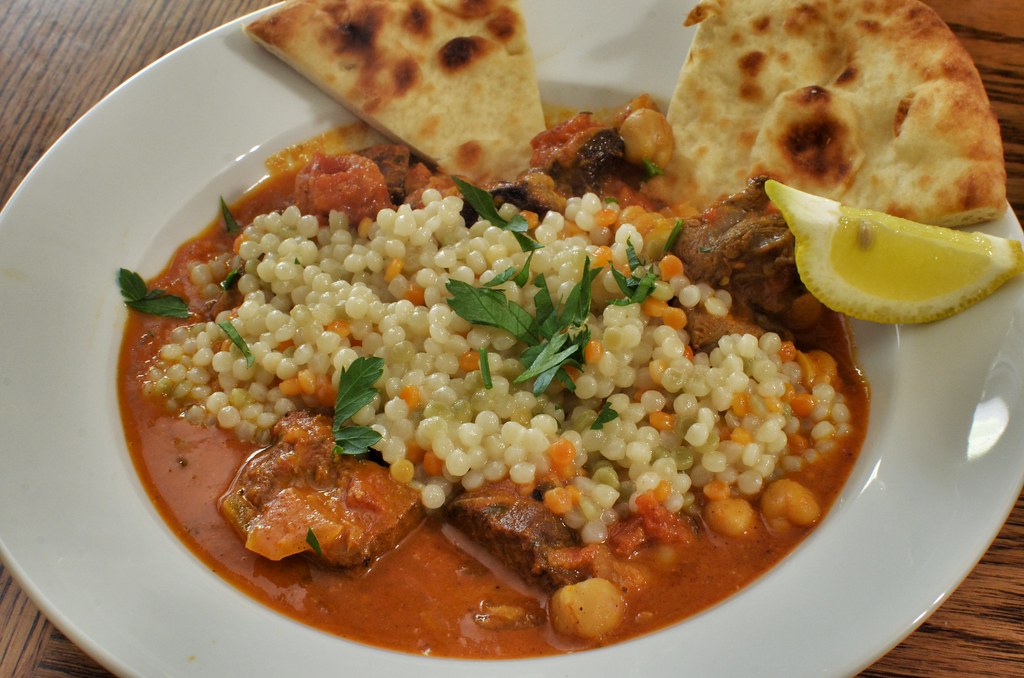
The rule for Dahan food is two words: warm and nourishing. After a winter of energy use, the body needs heat to fight the cold — but nourishing food should not be forced. Lamb, beef, chicken, longan, red dates, and walnuts are all warming foods; rotating them through the week is far better than eating one giant ten-herb tonic soup in a single sitting.
A simple home-cooked lamb and white radish soup fits Dahan perfectly: 500 grams of lamb, one white radish, three slices of fresh ginger, simmered for an hour and a half, with a handful of chopped scallions sprinkled on top just before serving. In traditional Chinese food wisdom, lamb warms the body’s yang — the active, warming energy in the body — while radish eases digestion, so the meat-and-vegetable pairing warms you without overheating you. If the lamb’s gamey smell puts you off, swap it for chicken soup with a few red dates and goji berries; it warms the stomach just as well.
This is also the season to eat more root vegetables: Chinese yam, potatoes, sweet potatoes, white radish, and lotus root are all in season and cheap. Steam the yam to care for digestion, roast the sweet potato so it fills you up and warms your hands, and with one root vegetable on the table at each meal, both carbohydrates and fiber are covered.
Three things are worth eating less of at Dahan. Ice-cold drinks and fruit straight from the fridge chill the stomach directly. Overly rich, fatty meat in large amounts leads to sluggish digestion and restless sleep. And soup straight off the stove should cool to about 60 degrees before drinking, so it does not irritate the mouth and throat. Dinner at seventy percent full is enough, and stop eating three hours before bed; when the stomach is at ease, the night’s sleep comes easier.
Home and Sleep at Dahan: Warmth Lives in the Details
When it comes to daily living at Dahan, three body parts matter most: the head, the feet, and the neck. The head loses heat fastest, so a hat that covers the ears on the way out is worth a surprising amount of warmth. The neck fears the wind, so a scarf wrapped well keeps the back of the head and shoulders from chilling. The feet are farthest from the heart and chill first, so soak them before bed in water around 40 degrees for 15 to 20 minutes, deep enough to cover the ankles, until you feel a light sweat; then dry them at once, put on socks, and do not walk barefoot on a cold floor.
Keep indoor temperature between 18 and 22 degrees. In northern homes with central heating, do not overdo it: 26 degrees inside and minus 10 outside means a swing of more than 30 degrees when you step through the door, and that sudden change easily leaves you dizzy. In southern homes without central heating, a space heater, a hot water bottle, and a thick quilt used in turn are enough — the key is not to let the gap between your warm bed and the room temperature get too wide. In the morning, move around in bed for two minutes before sitting up slowly.
For sleep, Dahan is the season for the old advice to “sleep early, rise late.” Be in bed by 10:30 in the evening and up around 7 in the morning, waiting until the sun is out and the temperature has risen before heading out to exercise. When you get up at night, throw on a coat before leaving the bed; bathroom floor tiles are cold, so keep a pair of thick-soled slippers ready. If there are elderly people at home, leave a small night light on for the trip to the bathroom and lay down a non-slip mat.
What to Practice at Dahan: Slow Movement, Stop at a Light Sweat
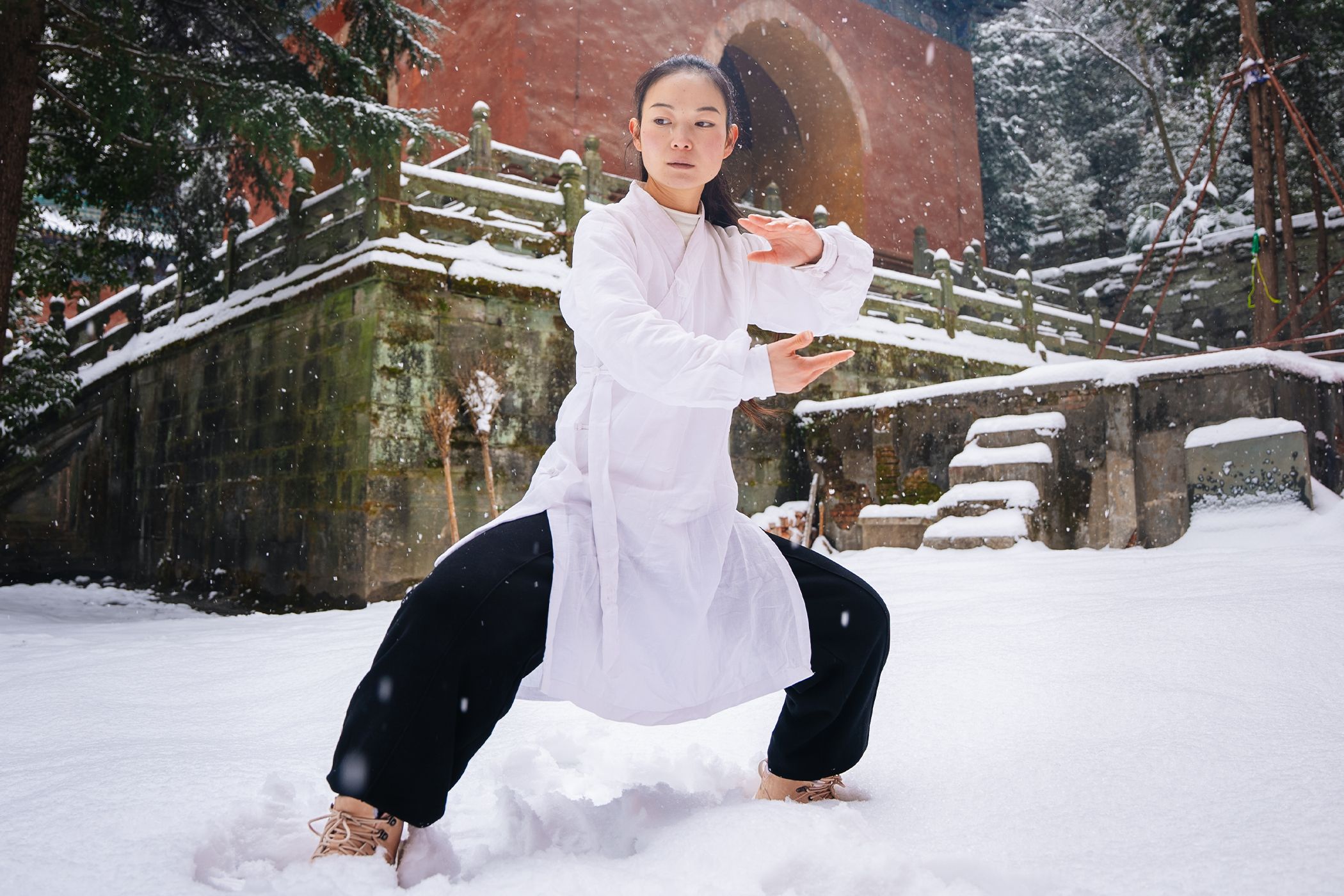
Dahan is not the season for sweating through intense exercise. When the air is this cold, hard exercise draws large amounts of cold air into the airways and can easily trigger coughing; then a sweat-soaked body hit by a cold wind is a fast track to catching a cold. The rule for this season is simple: move slowly, keep the range small, and stop the moment your body is gently warm and your back is just about to sweat.
Two movements from Baduanjin, the Eight Brocades qigong routine, suit Dahan well: “Holding Up the Sky to Regulate the Triple Burner,” which stretches the whole body and loosens the shoulders and back, and “Single Lift to Regulate the Spleen and Stomach,” which stretches the sides of the waist. Do each one twice in the morning and 8 to 10 minutes is enough. Or link a few Tai Chi moves together — the opening posture, Cloud Hands, and Single Whip — for 15 minutes, and your hands and feet will be warm. If you sit for long stretches, stand up every hour and move for five minutes: roll your neck, stretch your arms, march in place 30 times. That beats one hard two-hour weekend workout.
For outdoor activity, pick the window between 10 in the morning and 3 in the afternoon, the warmest hours of the day. Running and brisk walking are both fine, but wear a mask or a scarf over your nose and mouth so cold air does not rush straight in. Warm up indoors for five minutes before going out, and when you come back, pause in the stairwell until the sweat has dried before taking off your coat. On rainy or snowy days the ground ices over — practice at home instead of risking a slippery road.
During the day, sit by the window and take in the sun for 20 to 30 minutes; the back absorbs it best. In the evening, talk with family, drink a cup of hot tea, and slow the pace down a little. When Lichun arrives, you will feel the lift with it.
Quick Answers
When is Dahan? Around January 20 every year. It is the last of the 24 solar terms — the traditional Chinese seasonal markers — and the coldest point of the year. Lichun, the Beginning of Spring, follows just fifteen days later.
What should I eat during Dahan? Warm, nourishing food: lamb or chicken soup, red dates, walnuts, and in-season root vegetables like Chinese yam, sweet potato, and white radish. Avoid ice-cold drinks, very greasy meals, and soup served piping hot.
What is the best exercise for Dahan? Slow, gentle movement — two Baduanjin movements or a short Tai Chi sequence in the morning, stopping at a light sweat. Exercise outdoors between 10 a.m. and 3 p.m., the warmest part of the day, and cover your nose and mouth against the cold air.
How do I stay warm at night? Soak your feet in water around 40 degrees for 15 to 20 minutes before bed, keep the bedroom at 18 to 22 degrees, and sleep early and rise late — in bed by 10:30 p.m. and up around 7 a.m.
Is Dahan really the coldest time of the year? Yes. Across most of China, the year’s lowest temperatures typically fall around Dahan. At the same time, it is also the closest point to spring — the coldest days and the coming warmth exist together, which is why Dahan is both an ending and a beginning.
Summary: Get through Dahan, and spring is here.
Staying well through Dahan is not complicated: eat warm food, dress warmly, sleep enough, and move gently. Drink lamb and radish soup twice a week, soak your feet in hot water for 15 minutes before bed, put on your hat and scarf before going out, practice Baduanjin twice in the morning, and take 20 minutes of sun during the day. None of these is hard; the hard part is doing them every day.
Start today with two things you can do right now: fill a hot water bottle and tuck it into your bed tonight, and wrap an extra scarf around your neck before you head out tomorrow morning. Get through Dahan, and Lichun is right in front of you. Spring never arrives all at once — it is saved up, one cold day at a time, all winter long.
Disclaimer: This article is for reference only and is not a substitute for professional medical advice. It makes no promise of any therapeutic effect. If you have a medical condition or feel unwell, please consult a doctor or qualified medical professional. Adjust the dietary and exercise suggestions to your own physical condition and practice within your limits.