It is late November in Beijing, and the first snow of the season is falling outside. Lao Li gets home from overtime, pushes the door open, and the smell of pork rib soup hits him before he even takes his coat off. One bowl later, his fingers finally feel warm again.
That is what a winter soup is for. Not a fancy banquet dish — just something hot, slow-cooked, and waiting for you when the day has drained you. In Chinese home cooking, winter is soup season: the cold weather calls for warm, nourishing food, and a pot on the stove is the simplest way to get there. This guide gives you three reliable recipes — one pork, one lamb, one meat-free sweet soup — plus the pairing rules and the mistakes most people make.
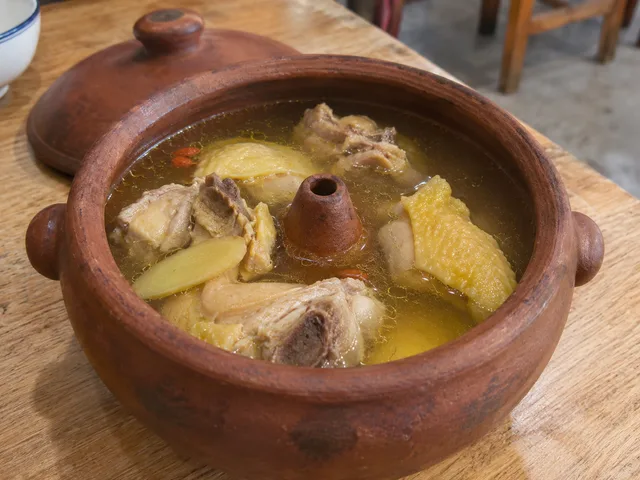
1. Pork Rib and Chinese Yam Soup: The Everyday Family Favorite
This is the soup that shows up most often at my house in winter. Chinese yam (shanyao) turns soft and starchy, the pork ribs go tender and fragrant, and by the end of the pot there is nothing left — broth and meat alike. It suits everyone at the table, from grandparents to kids.
Ingredients:
- Pork ribs, 500 g
- Chinese yam (tiegun shanyao, the thin iron-rod variety), 300 g
- Fresh ginger, 3 slices; scallion, 2 segments
- Goji berries, 10 g
- Cooking wine, 1 tablespoon (about 15 ml); salt, 4 g
Method:
- Put the ribs in a pot of cold water, add 1 tablespoon of cooking wine, and bring to a boil over high heat. Skim off the foam, blanch for 3 minutes, then lift the ribs out and rinse them in warm water.
- Add 1.5 liters of water to a clay pot or heavy saucepan, put in the ribs, ginger, and scallion. Bring to a boil, then turn the heat down low, cover, and simmer for 60 minutes.
- Peel the yam and cut it into chunks. Drop the chunks straight into a bowl of water with a few drops of white vinegar so they do not turn brown.
- Add the yam to the pot and keep simmering on low heat for 25 minutes, until a chopstick slides through it easily.
- Stir in the goji berries and 4 g of salt, simmer 5 more minutes, and take it off the heat.
One small tip: add the salt only in the last 5 minutes. Salting early makes the rib meat tough and stringy. And choose tiegun shanyao — the thin, starchy kind that turns soft and powdery. Ordinary watery yam falls apart into mush if you cook it that long.
2. White Radish and Lamb Soup: The Classic Cold-Weather Warmer
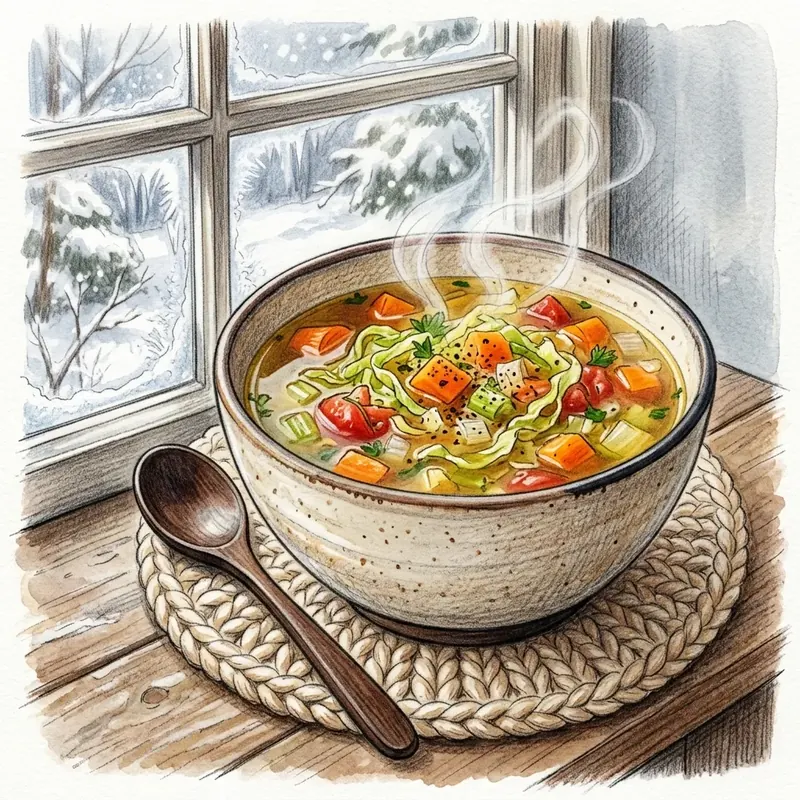
Lamb is considered a warming food in traditional Chinese dietary thinking (yangsheng — the art of nourishing life through food and daily habits), while white radish cuts the richness and keeps the soup from feeling greasy. Put them together and you get the old northern winter combination. If your hands and feet always feel cold, this is the bowl to reach for.
Ingredients:
- Lamb (bone-in leg or lamb ribs), 400 g
- White radish (daikon), 400 g
- Fresh ginger, 5 slices; white part of a scallion, 1 segment
- Cooking wine, 1 tablespoon; salt, 5 g; a pinch of ground white pepper
Method:
- Cut the lamb into 3 cm cubes. Put them in cold water, add the cooking wine, and blanch for 4 minutes. Lift out and rinse off the blood and foam.
- Peel the radish and cut it into chunks. Set aside.
- Add 1.8 liters of water to a clay pot, put in the lamb, ginger, and scallion. Bring to a boil, then lower the heat and simmer gently for 90 minutes.
- Add the radish and keep simmering for 25 minutes, until the radish turns translucent and a chopstick goes through it with no resistance.
- Fish out the scallion and ginger, season with 5 g of salt and a pinch of white pepper, and serve.
Lamb has a strong gamey smell, so do not skip the blanching — and once the water boils, give it an extra minute before you lift the meat out. Do not cut the radish too small, or 25 minutes of simmering will dissolve it. If you have a piece of dried tangerine peel (chenpi) in the cupboard, add one small piece to the pot; it takes the gaminess down a notch.
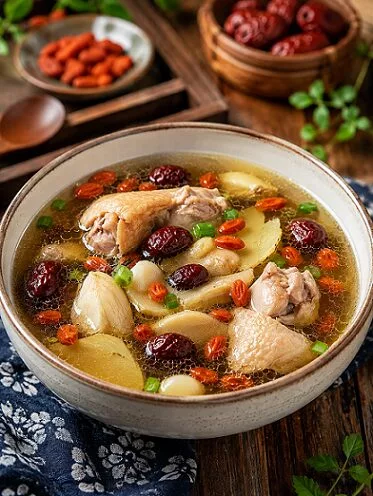
3. Red Date, Longan, and Snow Fungus Soup: The Meat-Free Sweet Option
Some evenings you just do not want meat. This sweet soup is the answer. Snow fungus (yin’er) cooks down into a silky, slightly thick broth, and the red dates and dried longan bring their own natural sweetness — you can cut the rock sugar back, or leave it out entirely.
Ingredients:
- Dried snow fungus, 20 g
- Red dates (jujubes), 8; dried longan, 15 g
- Lotus seeds, 20 g
- Rock sugar, 15 g
- Water, 1.2 liters
Method:
- Soak the snow fungus in warm water for 30 minutes. Cut off the yellowish hard root at the base and tear the fungus into small pieces.
- Wash the red dates and remove the pits. Soak the lotus seeds for 20 minutes, and rinse the dried longan.
- Put everything in a clay pot with 1.2 liters of water. Bring to a boil, then turn the heat down low and simmer for 40 minutes.
- When the snow fungus has released its gelatin and the soup turns thick and silky, add 15 g of rock sugar, stir until it melts, and simmer 5 more minutes.
Dried snow fungus expands a lot — 20 g soaks up to roughly 150 g, and the smaller you tear it, the faster it thickens the soup. If you have diabetes, skip the rock sugar altogether; the dates and longan are sweet enough on their own.
Pairing Principles: Three Rules to Get Right
Keep the main ingredients to three or fewer. Pork ribs plus yam is enough. Throw in corn, lotus root, and mushrooms on top, and the flavors start fighting each other — by the end you cannot tell what the soup is supposed to taste like.
Balance warm with cool. Lamb with white radish, pork ribs with winter melon — these are combinations Chinese home cooks have used for decades. Winter nourishment is not about piling on the hottest ingredients; one cooling partner in the pot keeps the soup from feeling heavy and overheated.
Match the cooking time to the soup. Bone-in meat soups need 60 to 90 minutes before the meat is tender and the broth is flavorful. A fungus or vegetable soup is done in about 40 minutes — overcook it and it turns sour. Add vegetables like radish or yam 25 minutes before the end, and the texture lands just right.
Season lightly. Salt alone is enough for one pot. Skip the chicken bouillon powder, MSG, and soy sauce. A good rule of thumb: 3 to 4 g of salt per liter of water — about 5 g for a 1.5-liter pot tastes just right.
Common Mistakes: Five Things Most People Get Wrong
Mistake 1: The whiter and richer the broth, the more nutritious it is. That milky-white look mostly comes from emulsified fat, not extra nutrition. Simmer pork rib soup for more than 2 hours and the fat and purines in the broth climb noticeably — more burden on the stomach, not more benefit. Sixty to 90 minutes is the sweet spot.
Mistake 2: Drinking only the broth and skipping the meat. Most of the protein stays in the meat; only a small share of the nutrients moves into the liquid. Drinking the soup and leaving the meat behind throws away the most nutritious part. Eat the meat with the soup.
Mistake 3: A big bowl of soup right before bed. A full bowl after 9 p.m. means a stomach full of liquid at night, and you will be up for the bathroom instead of sleeping. Drink your soup with dinner; stop two hours before bedtime.
Mistake 4: Drinking lamb soup while you have a fever or cold. When you are running a fever, with a sore throat or yellow phlegm, your body is in an inflamed state, and a warming soup like lamb only adds to the discomfort. Wait until the fever breaks and the throat feels better, then enjoy it.
Mistake 5: Loading the pot with medicinal herbs. Dang gui, huang qi, dang shen — these traditional herbs are not seasonings. Each has its own suitable users and dosage. For home cooking, the food ingredients are enough. If you really want to add herbs, ask a doctor first.
Quick Answers
How often should I make these soups? Two to three times a week is plenty. One small bowl per serving — about 200 to 300 ml — with dinner is the right amount. Rotate the three recipes instead of making the same one every day; the variety keeps the nutrition more balanced.
Which one should I start with? Start with the pork rib and yam soup. The ingredients are in every market, the steps are forgiving, and it is the hardest to get wrong.
Can I make a big batch and reheat it? Yes. Cool the leftovers, refrigerate them, and bring them back to a rolling boil the next day. Do not reheat the same soup more than twice.
Can I use a pressure cooker? You can, but watch the time. What takes 90 minutes on low heat takes about 25 to 30 minutes under pressure for lamb, and about 20 minutes for pork ribs. Add the yam or radish after the pressure step, or it will dissolve.
Is the sweet soup suitable for kids? Yes — the red date, longan, and snow fungus soup is the most child-friendly of the three. Just keep the rock sugar light, and let it cool to a safe temperature before serving.
Winter soup does not need to be complicated. Pork ribs with yam, lamb with white radish, and the sweet snow fungus soup cover savory, warming, and sweet — the ingredients are all at the market, and none of the methods is hard. Pick one, put the pot on, and let the kitchen do the work while the snow falls outside.
This article is for reference only. People with food allergies or dietary restrictions for chronic conditions should follow a doctor’s advice. It makes no promises about health effects; if you feel unwell, please see a doctor promptly.