Push open the window on a Major Snow morning and the cold hits your face at once. Your breath hangs in the air in a white cloud, and the down jacket finally earns its place out of the closet.

What Major Snow Is, and How Cold It Gets
Major Snow, or Daxue in Chinese, is the 21st of the 24 solar terms in the traditional Chinese calendar. A solar term is a seasonal marker based on the sun’s position, and there are 24 of them spread across the year. Daxue falls around December 7 each year, and its name means the weather is getting colder and snow is much more likely. From this day on, winter moves into its deep phase.
Three numbers tell the story. In most northern Chinese cities, the daily average temperature drops below 0°C, and nighttime lows often reach -5°C to -10°C. Along the middle and lower Yangtze River, daytime temperatures usually hover between 5°C and 10°C, and on rainy days the damp cold feels two or three degrees colder than the thermometer says. Southern coastal areas rarely see snow, but the humidity is relentless: laundry hung out to dry can stay damp for two days.
The gap between day and night deserves attention too. On a sunny day the temperature can reach 8°C in the afternoon and plunge to -2°C after dark, a swing of nearly 10°C. You leave home bundled up in the morning, feel overheated in the office by noon, take off your coat, then put it back on in the evening. That repeated cycle of hot and cold is when most people catch a chill.
The air also turns cold and dry. In the north, central heating keeps rooms warm but humidity often falls to just 20% to 30%. A dry throat in the morning, an itchy nose, and chapped lips are all signs your body needs more moisture. In the south, where there is no central heating, indoors and outdoors feel like the same temperature, and the bed needs a hot water bottle warming it for half an hour before you climb in.
Eat Warm: Three Meals That Fight the Cold
The core idea of eating during Major Snow is simple: eat warm. That does not mean a feast of rich meat at every meal. It means every meal should carry some heat, so your stomach warms up first and your body can handle the cold.
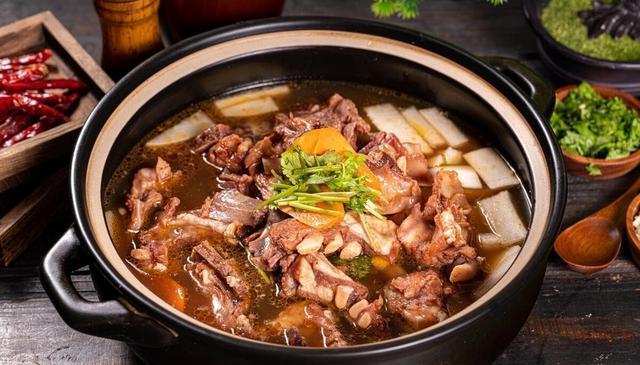
Lamb and White Radish Soup: Twice a Week
Cut 500 grams of lamb into chunks, blanch in cold water for two minutes, and cut 300 grams of white radish into large chunks. Put the lamb, three slices of ginger, and two Sichuan peppercorns into a clay pot, add plenty of water, bring to a boil over high heat, then simmer on low for 50 minutes. Add the radish and cook for another 20 minutes, then season with a small spoonful of salt just before serving. Lamb is warming by nature in traditional Chinese food wisdom, while radish helps digestion and keeps the dish from feeling heavy. One pot serves two people, and finishing both the meat and the broth will keep you warm for two hours.
Black Rice and Red Date Porridge: The Ideal Breakfast
Take 80 grams of black rice, 6 red dates, and 10 grams of dried longan. Soak the black rice overnight. In the morning, add 800 milliliters of water and simmer on low heat for 40 minutes, until the porridge thickens and the grains bloom open. Add a small spoonful of brown sugar if you like it sweet. There is no oil in this porridge, and it warms the stomach gently, making it perfect as the first meal of the day around 6 or 7 in the morning.
Ginger and Red Date Tea: A Cup at 3 PM
Three slices of ginger, three red dates torn open, and a small piece of brown sugar, steeped in 300 milliliters of boiling water for 10 minutes. When your hands and feet go cold and sleepiness creeps in around 3 or 4 in the afternoon, this cup feels far better than another strong coffee. One warning: do not drink it after 9 PM. Ginger is warming, and drinking it close to bedtime can leave your mouth dry and make it harder to fall asleep.
Beyond these three, you can build more warming ingredients into everyday cooking. Yam, chestnuts, pumpkin, black sesame, and walnuts are all regulars at this time of year. Make yam and pork rib soup once a week, and keep chestnuts to seven or eight at a time; eat too many and you will feel bloated. Put cold fruit and iced drinks away for now. If you want fruit, steam it: cut an apple into chunks and steam for 8 minutes, or stew a pear with rock sugar for 15 minutes.
Sleep Well, Wake Slowly: Two Times That Matter
After Major Snow, the nights grow long and the days short, and your body’s rhythm should slow down with them. Aim to be in bed by 10:30 PM and up around 7:00 AM, giving yourself 7 to 8 hours of sleep. Put your phone to charge in the living room half an hour before bed and leave only one warm lamp on.
Do not throw off the blanket and sit up suddenly in the morning. Stretch lazily under the covers first, flex your wrists and ankles, wait a minute or two, then sit up, get dressed, and only then get out of bed. Blood pressure fluctuates sharply on cold winter mornings, and moving too fast can make you dizzy. This matters most for older people with high blood pressure.
A foot soak is the best-value winter wellness habit there is. Keep the water around 40°C, hot enough that your hand feels it is almost too hot to bear, and soak for 15 to 20 minutes, stopping when your forehead breaks into a light sweat. Add a few slices of ginger to the water, and top it up with hot water as it cools. Dry your feet immediately afterward and put on socks; never walk barefoot on a cold floor right after a soak.
For dressing, remember the three-layer rule. Wear a moisture-wicking cotton undershirt next to the skin, a fleece or thin down layer in the middle, and a windproof coat on top on windy days. Do not skip the scarf and hat: when your neck and head get cold, your whole body starts shivering. Keep gloves in your pocket, and put them on if you are cycling or waiting for a bus for more than 10 minutes.
Move Gently: Three Routines for Major Snow
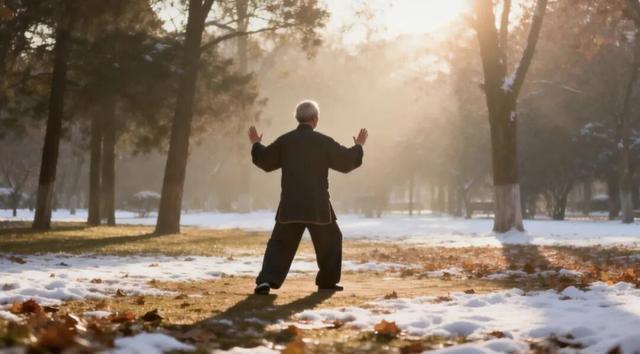
Exercise during Major Snow follows one rule: a light sweat is enough. Working up a heavy sweat drains your energy in the cold. Choose the sunniest window, between 10 AM and 3 PM, and on smoggy days or days when the ground is icy after snow, practice indoors instead.
Baduanjin: Twice a Day, 15 Minutes
Baduanjin, a traditional Chinese qigong routine of eight gentle movements, suits this season well, and two movements are especially good in the morning: “Holding Up the Sky to Regulate the Triple Burner” and “Drawing the Bow to Shoot the Eagle.” Stand with feet shoulder-width apart, interlace your fingers, and press both hands upward while looking at the backs of your hands. Hold for 5 seconds, then lower slowly, and repeat 6 times. Then do the bow-drawing movement: push your left palm out to the left while pulling your right hand back toward your ear as if drawing a bowstring, eyes following your left hand, 6 times on each side. The full set loosens the shoulders and opens the chest, which makes it ideal for office workers who sit all day.
Slow Walk and Hand Rubbing: Half an Hour After Dinner
Go out for a slow 30-minute walk half an hour after dinner, at a pace where you can still talk normally without breathing hard. While walking, rub your hands together until the palms feel hot, then press them against your face or ears. If your knees are weak, skip the stairs and choose flat ground, and wear shoes with good grip; the pavement is especially slippery after snow.
Standing Meditation for Three Minutes: A Calm End to the Day
Before bed, stand for three minutes with feet shoulder-width apart, knees slightly bent, and hands held in front of your chest as if embracing a large ball. Relax your shoulders and slow your breathing. Do not force it; if your legs feel tired, stop, and add 30 seconds the next day. Go straight to wash up and bed afterward.
Three Common Mistakes to Avoid
- Wearing a short-sleeved shirt and drinking iced water in a heated room: It may be 25°C indoors and -5°C outdoors, a 30°C swing every time you step through the door. Blood vessels contract and expand sharply, and that is when colds strike. Keep a thin jacket indoors and put it on before you open the front door.
- Sealing every window shut at the first sign of cold: You still need fresh air in winter. Open the windows twice a day, at 10 AM and 3 PM, for 15 minutes each time. A room sealed all day accumulates carbon dioxide, leaving you dizzy and drained.
- Chasing strong tonics: Ginseng, deer antler, and other powerful tonics are not for casual self-medication, especially if you have high blood pressure, diabetes, or take regular medication. Start with food: a bowl of hot porridge, a pot of hot soup. Let your body adjust first, and think about anything stronger only later.
A Simple Daily Plan
Major Snow wellness is not complicated: eat hot food, sleep enough, dress warmly, and move enough. Get up at 7 AM and eat a bowl of black rice and red date porridge. Have a lunch with hot soup. Drink a cup of ginger and red date tea at 3 PM. Be in bed by 10:30 PM, soak your feet for 15 minutes before sleeping, and practice Baduanjin twice during the day.
Start this winter on the day Major Snow arrives. Shift your schedule half an hour earlier and bring the warmth back into your three meals.
Quick Answers
When is Major Snow? Major Snow, or Daxue, is the 21st of the 24 solar terms and falls around December 7 each year. It marks the point when winter turns cold in earnest and snow becomes much more likely.
What should I eat during Major Snow? Focus on warm, cooked food: lamb and white radish soup, black rice and red date porridge, and ginger and red date tea are good staples. Add yam, chestnuts, pumpkin, and walnuts to everyday cooking, and avoid iced drinks and cold fruit.
How much should I exercise in the cold? Aim for a light sweat and no more. Baduanjin twice a day, a 30-minute slow walk after dinner, or three minutes of standing meditation before bed are all good choices. Exercise between 10 AM and 3 PM when the sun is strongest, and stay indoors on smoggy or icy days.
What is the best time to sleep and wake up? Try to sleep by 10:30 PM and wake around 7:00 AM, for 7 to 8 hours total. Wake up slowly: stretch in bed first, sit up after a minute or two, and get dressed before standing.
Can I take ginseng or other strong tonics in winter? Do not take them on your own, especially if you have high blood pressure, diabetes, or take medication. Food-based warming, like hot porridge and soup, is the safer starting point. Ask a doctor before trying any tonic.
Disclaimer: This article is for reference only and does not constitute medical advice. Individual health conditions vary. If you have an underlying condition, take medication, or feel unwell, consult a doctor before changing your diet or exercise routine. The recipes and practices here make no promise of any therapeutic effect.