It is ten o’clock at night in Beijing. Auntie Li sits on the edge of her sofa with a basin of hot water at her feet, steam curling up past her ankles. She has soaked her feet for twenty minutes before bed every night since the cold set in. Her hands and feet are no longer icy, and she falls asleep more easily. In the same building, Uncle Wang tried the same thing last week and nearly fainted in the bathroom, dizzy and unsteady on his feet. Same basin, same hot water — wildly different results. The difference was not luck. It was the temperature, the timing, and a handful of small details most people never think about.
Foot bathing — pao jiao, literally “soaking the feet” — is one of the oldest home wellness rituals in China. For centuries, families have treated it as a small nightly ceremony: a basin of hot water, a quiet twenty minutes, and a warmer walk to bed. It is simple, cheap, and genuinely comforting. But simple does not mean foolproof. Get the water too hot, soak too long, or add the wrong ingredient, and a relaxing ritual can turn into a dizzy spell, a burn, or a sleepless night. This guide covers the four things that matter: temperature, duration, herbal additions, and who should be careful.
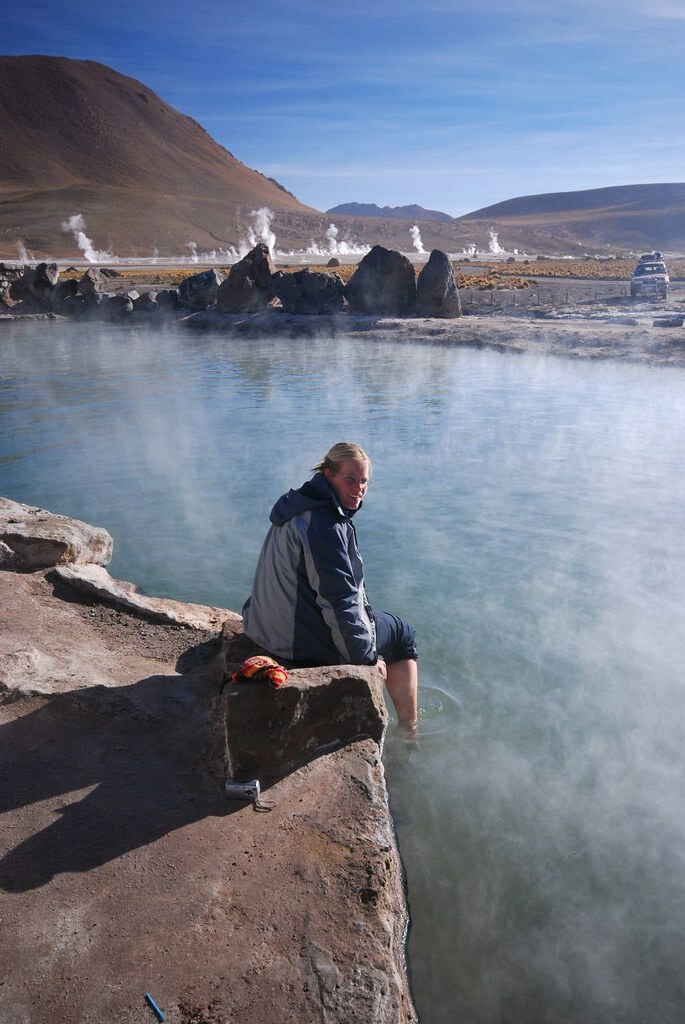
Water Temperature: 38 to 42 Degrees Celsius Is the Comfort Zone
Most people pour water by feel. They dip a hand in, yank it back with a hiss, and decide that hotter must mean more effective. That is the single most common mistake in foot bathing. Above 45 degrees Celsius (113 degrees Fahrenheit), the tiny blood vessels near the skin of your feet dilate sharply, your feet turn red and hot, and your heart has to work harder to keep up. Below 37 degrees (98.6 degrees Fahrenheit), the water is barely warmer than your body, and the soak does almost nothing — you might as well be standing in a lukewarm puddle.
The comfortable, effective range is 38 to 42 degrees Celsius (100 to 108 degrees Fahrenheit). If you do not own a thermometer, there is a reliable test that needs no equipment at all: dip the inside of your wrist into the water. The skin there is thin and sensitive. If it feels warm and pleasant, not scalding, the temperature is right. If you tend to feel cold, start at 38 degrees, soak for two or three minutes to adjust, then add a little hot water, but never push past 42 degrees.
People with diabetes and older adults with reduced sensation in their feet need to be especially careful. Nerve damage can dull the feeling in the soles, which means a burn may not register until it is already serious. If this applies to you or someone in your family, always have another person test the water first, or use a thermometer every single time. A burn you cannot feel is still a burn.
Depth matters too. The water should cover at least your ankles, and ideally reach halfway up your calves — roughly 15 to 20 centimeters (6 to 8 inches) deep. Water that only reaches the soles warms your feet but leaves the rest of your lower legs cold, and much of the relaxing effect is lost. Fill the basin too full, on the other hand, and you will splash water across the floor when you stand up. A wooden bucket holds heat better than a plastic basin, so the water stays warm longer without constant top-ups.
How Long to Soak: 15 to 20 Minutes, Stop at the First Light Sweat
Longer is not better. Fifteen to twenty minutes is the right length for most people, and your body gives you a clear signal when it is time to stop: a light sheen of sweat on your forehead and a gentle warmth spreading across your back. That is your cue to get out. If you are drenched in sweat, your heart is racing, or you feel short of breath, you have already gone too far — your body is telling you it is overworked, not relaxed.
Timing during the day matters as well. The best window is about one hour before bed. Dry your feet thoroughly, put on a pair of socks, and climb straight into bed — the warmth will stay with you all night. Do not soak right after a meal: blood is drawn toward your feet and away from your stomach, which can leave you with indigestion. Do not soak on an empty stomach either, especially if your blood sugar tends to run low, or you may feel dizzy. Wait at least one hour after eating.
One small habit makes a big difference: set a timer. Put your phone down and set a 20-minute alarm before your feet go in. It is easy to lose track of time while scrolling, and plenty of people look up to discover they have been soaking for 40 minutes — then stand up with wobbly legs and a spinning head. Twenty minutes, then out. The basin will still be there tomorrow night.
Herbal Additions: Match the Ingredient to the Need, Never Mix Them All
Plain warm water is already enough. Herbal additions are a bonus, not a requirement. If you do want to add something, learn what each ingredient actually does first:
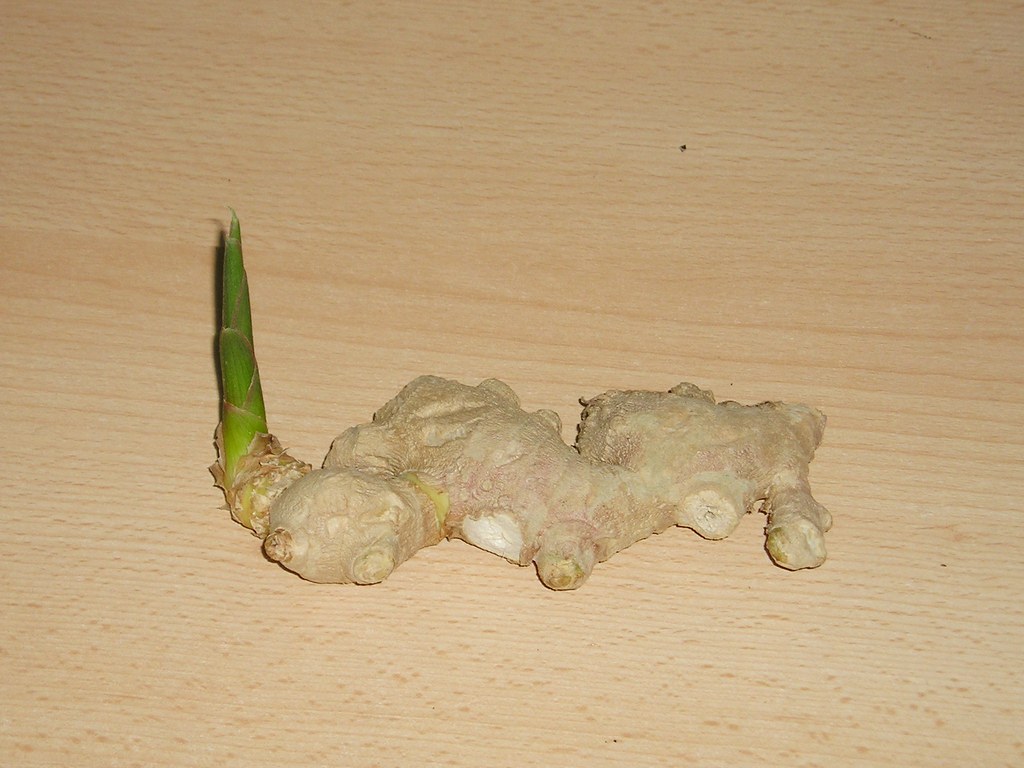
- Ginger: Best for people whose hands and feet are always cold. Crush 3 to 5 slices of fresh ginger, boil them for 10 minutes, and pour the liquid into your foot bath. The water will feel faintly spicy, and the warmth in the soles of your feet can linger for half an hour after you dry off. It is also a classic choice at the first sign of a chill or an early cold.
- Mugwort leaf (ai ye): Take a handful of dried mugwort, about 30 grams, and boil it in water. This suits people who feel heavy and damp through the autumn and winter, with feet that always feel cold and sluggish. Two or three times a week is plenty — used every day, it can leave you feeling overheated, with a dry mouth or breakouts. If that happens, take a break.
- Sichuan pepper (hua jiao): A small handful, about 15 grams, boiled in water. Good for sweaty feet and mild foot odor, because the pepper is warming and drying. But skip it if you have any cuts, broken skin, or an active fungal infection on your feet — it will sting the wound.
- Safflower (hong hua): About 10 grams, for people whose hands and feet go numb in winter and whose circulation feels sluggish. One hard rule: never use safflower if you are pregnant, and avoid it during menstruation if your flow is heavy.
The golden rule for additions is one ingredient per soak. Do not throw ginger, mugwort, and Sichuan pepper into the same basin. A mixed pot has unpredictable effects and is more likely to irritate the skin. Herbal soaks two or three times a week, plain water on the other nights — that rotation is the safest and most sustainable pattern.
Who Should Be Careful: These Warnings Are Not Exaggerations
Foot bathing looks gentle, but for some people it genuinely carries risks:
- People with diabetes: Reduced sensation in the feet means a scald may go unnoticed, and once burned, the skin heals slowly. Always measure the water with a thermometer, keep it below 38 degrees Celsius, limit the soak to 15 minutes, and inspect the soles of your feet carefully afterward for any broken skin.
- People with varicose veins or blood clots: Hot water dilates the veins further, which can worsen varicose veins and may raise the risk of a clot breaking loose. Talk to your doctor before soaking.
- Pregnant women: Keep the water below 38 degrees Celsius and the soak under 15 minutes, and skip circulation-boosting herbs such as safflower and mugwort entirely.
- People with heart disease or high blood pressure: Keep the water moderate and the soak short. If you feel your heart racing or your chest tightening, stop immediately, lift your feet up, and rest.
- Anyone with cuts, sores, or broken skin on the feet: Wait until the skin has fully healed. Hot water and herbal additives will both irritate an open wound.
- Young children: A child’s foot arch is still developing, and daily hot soaks may interfere with its formation. An occasional soak is fine — water around 37 degrees Celsius, ten minutes at most.
One more detail that is easy to overlook: after soaking, do not throw open a window or step straight into a cold shower. Your pores are open and your body is warm — a blast of cold air undoes the whole point and can leave you chilled. Dry your feet, put on socks, and sit in a warm room for ten minutes before doing anything else.
A Simple Routine You Can Follow Tonight
Between 9:30 and 10:00 in the evening, prepare a basin of water at about 40 degrees Celsius, deep enough to reach halfway up your calves. If you want an herbal addition, boil your ginger or mugwort ten minutes ahead of time and mix it in. Slip both feet in and give yourself a minute or two to adjust — if it feels too hot, add a splash of cool water until it is comfortable. Soak for 15 to 20 minutes, topping up with a little hot water if it cools down. When a light sweat appears on your forehead, stop. Dry your feet, massage the soles for 3 to 5 minutes, put on thick socks, and go to bed. The whole ritual takes less than half an hour. The total cost is a basin of hot water and a few slices of ginger.

Quick Answers
What is the best water temperature for a foot bath? Between 38 and 42 degrees Celsius (100 to 108 degrees Fahrenheit). Test with the inside of your wrist — warm, not scalding. Never go above 45 degrees.
How long should I soak my feet? Fifteen to twenty minutes. Stop when your forehead shows a light sweat and your back feels warm. Soaking for 40 minutes or more can leave you dizzy and drained.
When is the best time to soak? About one hour before bed. Avoid soaking right after a meal or on an empty stomach — wait at least an hour after eating.
Do I need to add herbs? No. Plain warm water works well on its own. If you add something, use one ingredient only — ginger for cold feet, mugwort for a heavy, damp feeling, Sichuan pepper for sweaty feet, safflower for poor circulation — two or three times a week at most.
Who should avoid foot baths? People with diabetes, varicose veins, blood clots, heart disease, or high blood pressure should consult a doctor first. Pregnant women should keep the water below 38 degrees and skip safflower and mugwort. Never soak feet with open wounds.
Can children soak their feet? Occasionally, yes — water around 37 degrees Celsius for about ten minutes. Daily hot soaks are not recommended while the foot arch is still developing.
The Bottom Line: Done Right It Is Nourishing, Done Wrong It Is a Hassle
Autumn and winter foot bathing comes down to four sentences. Keep the water between 38 and 42 degrees — never scalding. Keep the soak to 15 to 20 minutes — never overdo it. Use one herbal addition at a time — never throw everything in together. And if you have a medical condition, ask your doctor first — never push through. Stick with it, and many people notice their hands and feet feel less cold and sleep comes more easily. But a foot bath is a small daily habit for comfort and relaxation, not a medicine. If something in your body genuinely feels wrong, see a doctor.
You can start tonight: boil a kettle, mix the water until your wrist says warm, not hot, soak for twenty minutes, dry off, put on socks, and sleep. Give it a week, and you will feel the difference yourself.
Disclaimer: This article is for general information only and is not medical advice. It makes no promise of any health benefit or cure. If you have diabetes, heart disease, high blood pressure, varicose veins, a blood clot, are pregnant, or have wounds on your feet, please consult a qualified healthcare professional before foot bathing. If you feel unwell during or after a foot bath, stop immediately and seek medical attention.