Every morning at 6:30, a few elderly residents gather by the flower beds in my neighborhood and stand there, perfectly still, for half an hour. They are not waiting for anyone. They are practicing qigong — and the stillness you see is the most basic exercise in the entire tradition: standing meditation, known in Chinese as zhan zhuang, literally “standing like a post.”
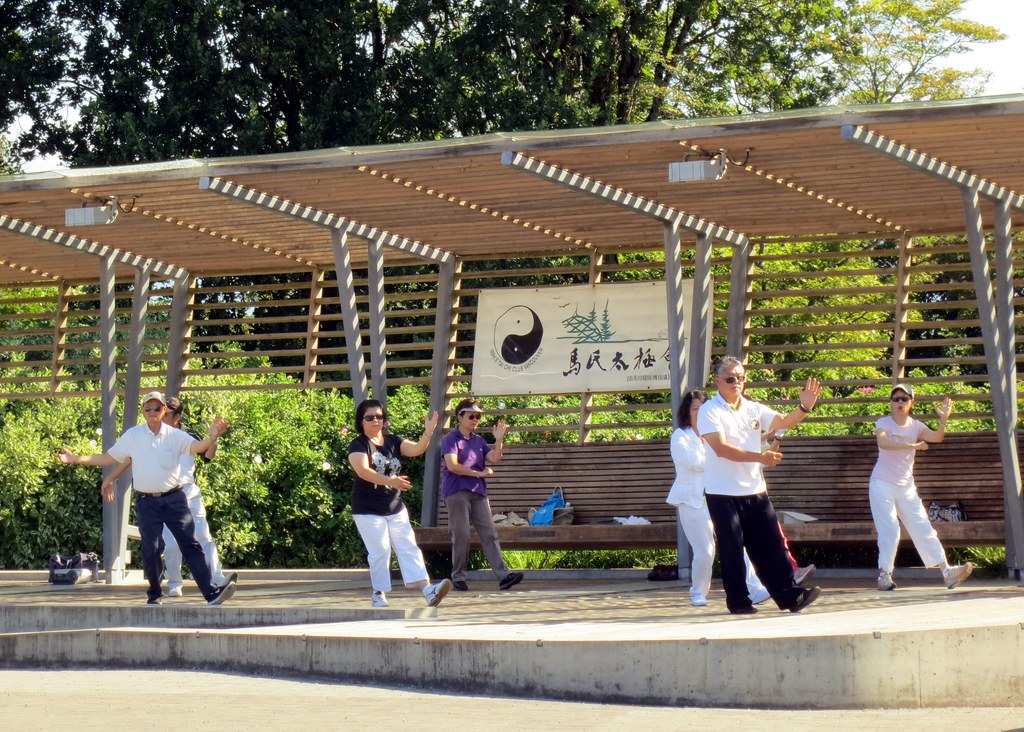
Qigong is one of China’s oldest body-mind practices, with roots going back more than two thousand years. The word itself combines qi — the vital energy that traditional Chinese culture believes flows through the body — and gong, meaning skill cultivated through steady practice. You do not need flexibility, strength, or any equipment to begin. You need twenty minutes a day, a quiet corner, and the patience to stand still. This guide covers the three foundations every beginner needs: standing, breathing, and focus. Master these three, and everything else in qigong becomes easier.
Standing: Get Stable Before You Chase Sensations
Most beginners make the same mistake on day one: they go hunting for “qi sensations” — warmth in the palms, tingling in the fingers — and get frustrated when nothing happens. That is starting at the wrong end. The first step in qigong is not finding a feeling. It is getting your body stable and relaxed. Standing practice trains exactly that.
The most common beginner posture is called Wuji standing, or “standing in the void.” It is simple to set up. Stand with your feet shoulder-width apart, toes turned very slightly inward. Bend your knees gently, as if you were sitting on a tall stool that is not really there. Hold both arms in front of your chest in a loose circle, as if you were cradling a large beach ball. Imagine a thread pulling the crown of your head gently upward, tuck your chin in slightly, and let your shoulders drop.
It looks easy. Three minutes in, it is not. Your thighs start to burn, your shoulders creep upward, and your lower back wants to arch. When that happens, do not force your way through it, and do not quit on the spot either. Shift your attention to the soles of your feet. Imagine your weight spread evenly across both feet. Soften your knees a little more, drop your shoulders a little lower, and the burning usually eases on its own.
How long should you stand? Three minutes a day is enough for the first week. Add two minutes in week two, and by the end of a month, a steady ten minutes is excellent progress. Standing follows a simple rule: one minute of standing earns one minute of benefit. Overdoing it only leaves you with sore knees and a reason to skip tomorrow. Practicing at the same time every day beats one long weekend session, every time.
One detail beginners often skip is the closing. When you finish standing, do not walk away immediately. Lower your hands slowly, bring your feet together, and gently circle your wrists and ankles in place. Rub your palms together until they feel warm, then pat your thighs a few times. Give yourself about thirty seconds before you start walking. Step straight off a long stand and your legs will feel wobbly — that is normal, and entirely avoidable.
Breathing: The First Lesson Is How to Breathe
Tu na, the Chinese term for breath regulation, means exactly what it sounds like: consciously guiding the breath in and out. Most of us breathe shallowly and quickly — sixteen to twenty breaths a minute, with the air barely reaching the chest. Qigong breathing slows that down and sends the breath deeper, down into the lower belly.
Start with the simplest method, abdominal breathing. Sit or stand, whichever feels more comfortable, and rest one hand lightly on your belly, about three finger-widths below your navel. Breathe in slowly through your nose and let your belly swell like a balloon. Breathe out through slightly parted lips, slowly and evenly, letting the belly draw back in. Count to four on the inhale and six on the exhale. One inhale plus one exhale counts as one breath. Do ten breaths to start.
Many beginners feel dizzy the first few times. That is almost always because they are inhaling too hard or holding the breath too long. You do not need a big breath. Let it come naturally. The point is slow and even, not deep and forceful. Fill your lungs to about seventy or eighty percent, then stop. Exhale fully before you take the next breath. If your chest feels tight afterward, you pushed too hard — make the next round half as forceful.
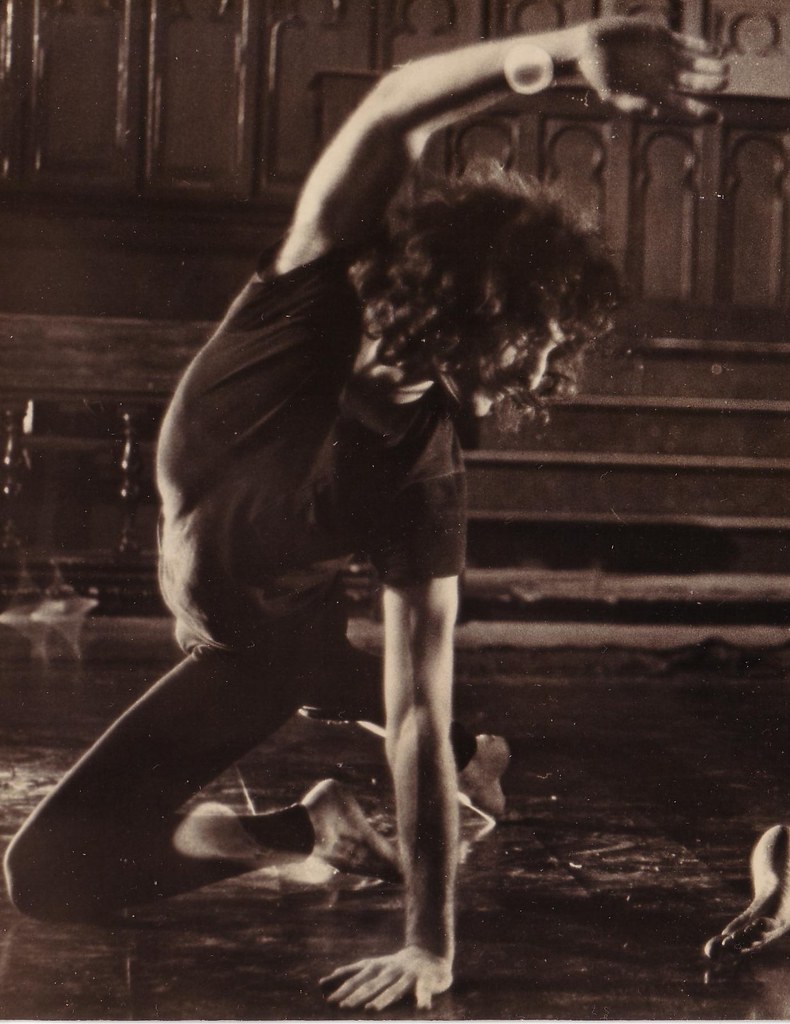
Once abdominal breathing feels smooth, bring it into your standing practice. Stand in Wuji posture and breathe in for four counts, out for six, while you hold the stance. When breath and posture work together, the body relaxes much faster. Some people notice their shoulders dropping without even trying — that is the breathing doing its job.
Focus: Where You Put Your Attention
Yi shou, often translated as “guarding the mind” or focused attention, sounds like the most mystical part of qigong. In practice, it is very down to earth: it means keeping your attention in one place instead of letting your mind wander everywhere. For beginners, the usual focus point is the dantian — a point in traditional Chinese practice located about three finger-widths below the navel, at the center of the lower belly. Think of it as the body’s center of gravity, both physically and mentally.
Here is how it works. While you stand or sit and breathe, rest your attention gently on the dantian, as if you were quietly looking at that spot. Do not strain to concentrate, and do not try to picture a ball of fire or a glowing light there. Just place your attention lightly and leave it there. Thoughts will come — what to eat today, that email you forgot to send — and that is completely normal. When you notice your mind has wandered, gently bring it back to the dantian. No scolding, no wrestling with the thought.
Five to ten minutes of focused attention is plenty. Longer sessions only invite more wandering, which defeats the purpose. Here is a simple test: after practice, if your mind feels a little clearer and your shoulders a little looser than before, you did it right. If you finish with a tight head or dry eyes, you were trying too hard — be gentler next time.
Focus practice also has an everyday use. When you feel tired at your desk in the middle of the afternoon, sit back in your chair, close your eyes, rest your attention on your dantian, and take five slow breaths. It takes about a minute, and your neck and shoulders will feel noticeably looser. It is cheaper than a coffee and, for many people, works faster.
A Complete 20-Minute Beginner Routine
Put standing, breathing, and focus together and you have a complete beginner session. The whole routine takes about twenty minutes and works well in the morning or the evening:
- Warm up, 3 minutes: Roll your neck, shoulders, wrists, and ankles, then march in place for thirty seconds to loosen the body.
- Stand, 10 minutes: Settle into Wuji standing — feet shoulder-width apart, knees soft, arms held in a circle. Breathe in for four counts and out for six, keeping your attention resting gently on the dantian.
- Seated breathing, 5 minutes: Sit on a chair with your hands on your knees and continue abdominal breathing, counting each breath, for about ten breaths.
- Close, 2 minutes: Rub your palms until warm, pat your arms and thighs lightly, then stand up and walk around slowly.
Nothing in this routine is difficult, and you need no equipment at all — just a quiet patch of floor and a chair. Stick with it for two weeks, and most people notice two small changes: they wake up less stiff in the morning, and they fall asleep a little faster at night. The changes arrive slowly, but they are real.
Three Mistakes Beginners Make
The first mistake is chasing sensations. Whether your palms feel warm or your fingers tingle is a side effect of practice, not the goal. Fixate on the feeling and you will only get more anxious — and a tense body cannot relax. Get the posture right, slow the breath down, and the sensations will come on their own.
The second mistake is holding the breath and forcing it. Some people hear that qi should “sink down” and start pushing hard toward the belly, only to finish with a bloated stomach and a dizzy head. In qigong, “sinking” happens naturally after you relax — it is never forced down. If any part of your body feels worse after practice, that is where you pushed too hard.
The third mistake is practicing in bursts — three days on, a week off. Qigong is slow work. Stop for a week and you are starting over each time. Twenty minutes every day beats two hours on a weekend. And on a day when you genuinely have no time, five minutes of standing and ten breaths is still better than nothing.
There is no shortcut into qigong. It is just these three foundations — standing, breathing, and focus — twenty minutes a day, practiced honestly. Start today: stand for three minutes, then take ten slow abdominal breaths. Take the first step, and let time do the rest.
Quick Answers
Morning or evening? Morning is ideal — after a night of stiffness, qigong is a gentle way to wake the body up. Evening works too, but keep the session light; some people find the focused breathing too energizing right before bed.
How long until I notice anything? Looser shoulders and a calmer mind can show up within the first week. Better sleep and less morning stiffness usually take two to four weeks of daily practice. Ignore anyone promising dramatic results in three days.
Do I need a teacher? For these three basics, a careful beginner can start alone. If you want to go deeper — longer standing sessions, seated meditation, or movement forms like Baduanjin — a qualified teacher is worth finding, if only to correct your posture early.
What if I get dizzy? Stop, sit down, and breathe normally. Dizziness usually means you were breathing too forcefully or standing too long. Shorten the session and soften the breath next time. If dizziness keeps happening, talk to a doctor before continuing.
Can I practice with knee or back problems? Stand with a higher, shallower stance — barely bend the knees — and shorten the session. Never push through joint pain. If you have an old knee or lower-back injury, check with a doctor or physiotherapist before starting.
Practice within your limits; consult a qualified professional if you feel unwell. If you experience dizziness, chest tightness, heart palpitations, or joint pain during practice, stop immediately, rest, and seek medical advice if needed. This article is an introduction to a traditional cultural practice for general information only. It makes no health claims and is not a substitute for medical advice.