Last Qingming Festival — Qingming, the spring day when families sweep their ancestors’ graves — my neighbor Mr. Chen drove two hours with his wife and son to visit his father’s grave. When they arrived, they found the headstone facing a newly dug drainage ditch. Every rainy season, a puddle formed right in front of the stone. The family stood in the mud to pay their respects, and none of them felt at ease. Choosing a burial plot is something most people do for the first time, under pressure, and in a hurry. They look at the price and the location, and only discover the problems ten or twenty years later. A little knowledge beforehand — about the cultural traditions and the practical details — can save a family a great deal of regret.
In Chinese tradition, a grave is called a yinzhai, literally a “dwelling for the yin” — the resting place of the deceased, as distinct from a yangzhai, a home for the living. The customs around choosing one are part of a much older body of knowledge about land and landscape. You do not need to accept every traditional claim to find the advice useful: much of it, read carefully, is practical wisdom about drainage, wind, sunlight, and dignity, expressed in the language of an earlier age. This guide explains both sides — the cultural ideas and the checks you can make with your own eyes.
Reading the Landscape: Hills, Water, and Shelter
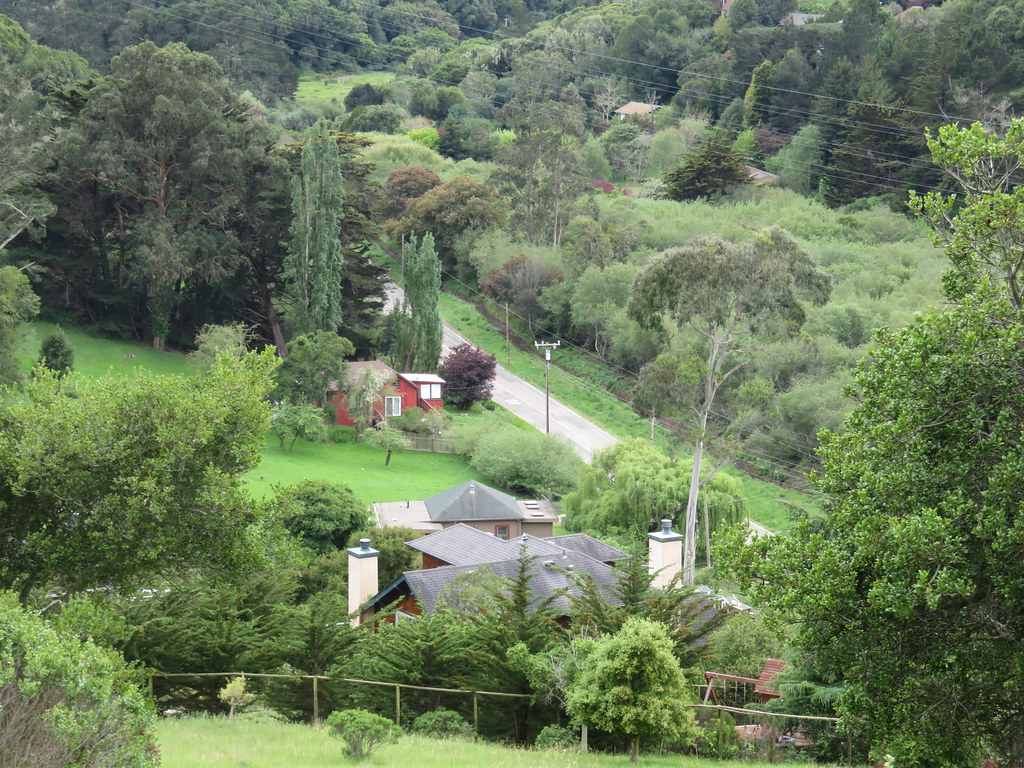
The classic principle of grave siting is “cang feng ju qi” — “sheltering from the wind and gathering the breath.” In traditional terms, qi is the vital energy or atmosphere of a place. In plain language, the rule means: find somewhere the wind does not cut through, water does not rush across, and the ground stays level and steady. The old texts describe the ideal setting with four guardian images: the Azure Dragon on the left, the White Tiger on the right, the Vermilion Bird in front, and the Black Tortoise behind. Translated into what you can actually see on a hillside, that means a slope or hill at the back to lean on, low rising ground on both sides to enclose the site, an open view ahead, and ground underfoot that does not collect water.
When you visit a cemetery, stand on the plot itself and turn a full circle. Is there a hillside behind you, breaking the wind? Is the ground higher on your left and right? Can you see open ground in front of you, rather than a wall or a steep drop? Does the wind reach you directly, or is most of it blocked? These are questions anyone can answer without any special knowledge, and they matter every time the family returns — on a cold winter morning, in a summer downpour, or on a windy festival day.
Water is the second thing to watch. A small stream or a lake that flows gently past a cemetery is traditionally considered auspicious. But water that rushes straight at a grave, or a plot sitting exactly where two streams meet, is not. The practical test is simpler than the tradition: drainage. Go back after a heavy rain and look. Is there standing water around the plot? Is the soil sticky and dark? Many older cemeteries around the Ming Tombs area outside Beijing are built on gentle slopes precisely so that rainwater runs off and the ground in front of each headstone stays dry. That is what good siting looks like, whatever language you describe it in.
Orientation is also worth asking about. The most common traditional orientation is facing south with the back to the north, so the grave receives sunlight and the family does not stand in cold shade during a winter visit. Plots facing east or southeast, often dictated by the shape of the hillside, are equally acceptable in practice. What you should avoid are plots facing directly into a steep cliff, a deep gully, or an electricity pylon. Standing before a headstone with a steel tower looming overhead makes it hard for anyone to feel calm.
The Plot Itself: Soil, Orientation, and Drainage
You can learn a great deal about a plot by crouching down and taking a handful of soil. Good grave soil is loose and yellowish-brown, and you can dig half a meter down without hitting water. If the soil is black and sticky, clumping together when you squeeze it, the water table is high, and a coffin or urn will sit in dampness for years. Ask the sales staff directly: how deep is the water table here, and does the ground stay damp in the rainy season? An experienced cemetery will lay a bed of gravel beneath the grave for drainage. Ask whether that step is included before you buy.
Measure the plot on the spot. A single grave, a double grave for a couple, and a family plot differ greatly in size. A typical single plot covers about one square meter; a double plot covers two to three square meters. Bring a tape measure. Measure the length and width of the grave, then measure the base of the headstone, and check whether the stone, once erected, will crowd the neighboring plot. Promotional photographs often make plots look spacious; in reality, some headstones stand less than 30 centimeters apart, leaving barely room for a bouquet of flowers in the walkway between them.
Beyond orientation, check whether the plot sits in a wind corridor. Graves on a mountaintop or along a ridgeline catch the worst of the wind — five minutes there on a winter visit is enough to freeze through, and paper offerings will not stay lit. A hollow sheltered from the wind is warmer, but the air does not circulate and dampness lingers. The most reliable position is usually a gentle slope halfway up a hill: the wind is moderate, the drainage is good, and sunlight still reaches the site.
Deal-Breakers to Rule Out on the Spot
Some problems cannot be fixed once the burial has taken place, so they must be ruled out during the visit. The first is a steep slope or a cliff edge. On a gradient steeper than about 30 degrees, rain washes soil and gravel downhill and can undermine the grave’s foundations — and it is unsafe for visitors, especially elderly relatives, to climb up and down. The second is low-lying ground that floods. The lowest rows in a cemetery are often twenty to thirty percent cheaper, but when the rains come, water can rise above ankle height in front of the headstone, and every visit becomes a cleanup job.
The third is a plot directly beneath high-voltage power lines, a substation, or a large billboard. Traditional teaching speaks of “sha,” a harmful configuration of the landscape. The practical concerns are noise and safety distance: beneath power lines, you may hear a faint crackling discharge on wet days, and that alone unsettles a visit. The fourth is a plot pressed against the cemetery wall, the toilets, or the refuse area. A visit to a grave calls for quiet and solemnity, and the smell and foot traffic of a waste collection point disturb it. Do not only look at the plot — walk fifty meters in every direction and inspect everything nearby.
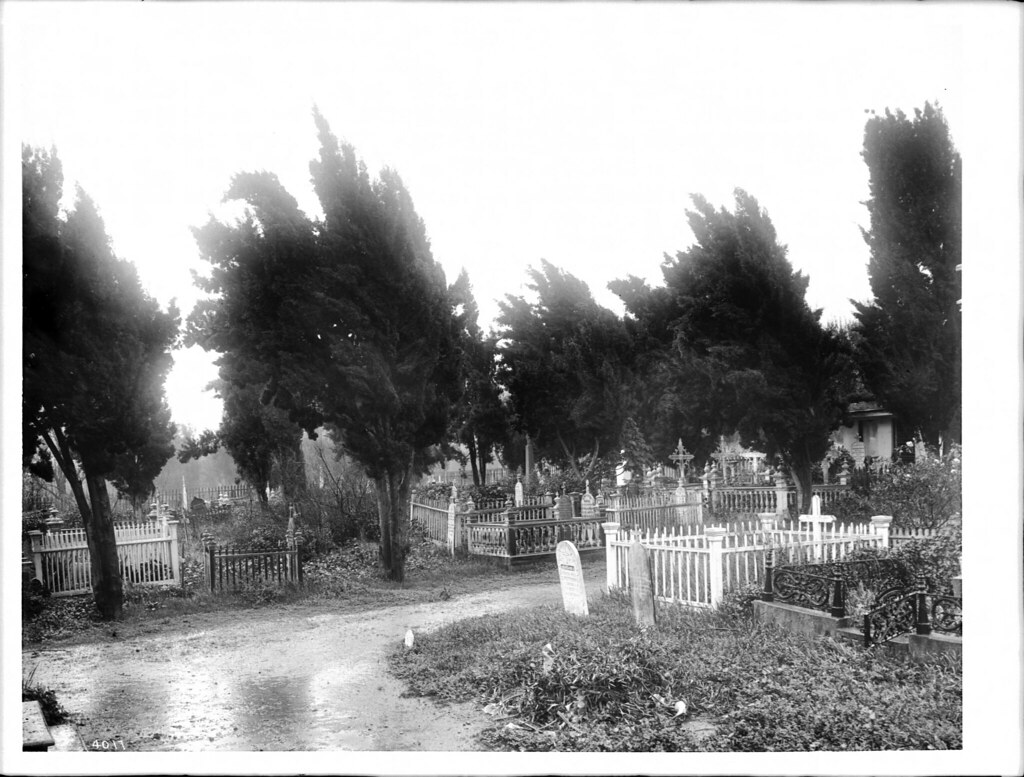
One more detail is easily missed: whether a large tree stands directly above the headstone. Tree roots grow year by year, and after a decade they can push against the grave’s foundations; in a storm, dead branches can fall and damage the stone. Greenery in a cemetery is a good thing, but there should be at least three meters between a tree and a headstone.
Paperwork and Costs: Ask Before You Sign
A burial plot is not a house purchase, and the terms of use and the fee structure need to be understood clearly before anything is signed. Under current regulations in China, a grave plot is generally granted for a 20-year use period, after which the family can renew by continuing to pay management fees. Before signing, ask exactly what the 20-year fee covers: does it include the headstone, the engraving, and the burial-day services, or only the plot itself? Some cemeteries quote a low headline price, then charge separately for the stone, the lettering, and the upkeep of the greenery — and the total ends up higher than the cemetery next door.
Management fees are a second, long-term cost. They typically run from tens to over a hundred yuan per square meter per year, which adds up to a considerable sum over twenty years. Ask how they are paid — in one lump sum or annually — and what happens if a payment is missed. Also confirm that the cemetery holds a proper operating permit. A public cemetery approved by the civil affairs authorities and a village-run public-welfare cemetery differ in who may use them and whether plots can be sold to outsiders. Ask to see the approval document before you commit; it is a small step that brings real peace of mind.
Transport and convenience matter just as much. If the cemetery is more than ninety minutes’ drive from the city, every Qingming or Winter Solstice visit becomes a long journey. Is there a bus to the gate? Is there a car park, and is it large enough for the festival crowds? You can only judge these things by visiting on a festival day. If elderly relatives have difficulty walking, and the plot is more than a ten-minute walk from the car park, each visit becomes a burden rather than a comfort.
Your On-Site Checklist
Do not rely on the sales presentation alone. Take a list with you and check each item yourself:
- Stand on the plot and look around: is there a hill behind, rising ground on both sides, and an open view ahead?
- Take a handful of soil: note its color and dampness, and ask about the water table and the drainage layer beneath the grave.
- Visit on a rainy day, or the day after rain: check whether water collects around the plot and the walkway, and whether the ground in front of the headstone stays dry.
- Measure everything: the length and width of the grave, the size of the headstone base, and the distance to the neighboring plots. Bring a tape measure.
- Walk the surroundings: within fifty meters, are there power lines, a substation, toilets, or a refuse station? Does a large tree overhang the headstone?
- Ask about the paperwork: the 20-year use period, the renewal terms, the management fee, and the cemetery’s permit — and make sure all of it is written into the contract before you sign.
- Work out the journey: how long does it take to drive from home, is there enough parking at festival time, and how many minutes must an elderly relative walk to reach the plot?
There is no perfect burial plot. Every choice is a balance between budget, terrain, transport, and custom. Some families care most about a site backed by hills and facing water; others care first about being close to home; others about the cemetery’s management and greenery. None of these priorities is wrong. What matters is going to see the place yourself, going back once in the rain, and reading the contract line by line before deciding. When this is done calmly and carefully, every year’s visit can be what it should be: standing quietly before the stone, and having a few words with someone you loved.
Quick Answers
What does “sheltered from the wind and gathering the breath” mean in practice? A plot with a hill behind it, lower ground rising on both sides, an open view in front, and no standing water after rain. If you can check those four things, you have understood the core of the tradition without needing any special vocabulary.
Is a south-facing plot always better? South-facing is the most common traditional choice because it catches the sun, but east- and southeast-facing plots are fine too, especially where the hillside dictates the layout. What matters more is that the plot is not facing a cliff, a gully, or a pylon.
How can I tell whether the soil drains well? Squeeze a handful: loose, yellowish-brown soil is a good sign; black, sticky soil that clumps suggests a high water table. Visit after rain, and ask whether a gravel drainage layer is laid beneath the grave.
Why are the lowest plots in a cemetery often cheaper? Because they flood first. A discount of twenty to thirty percent can mean standing water in front of the headstone every rainy season. Price alone is a poor guide; always visit in wet weather.
What should the contract cover? The 20-year use period and renewal terms, the management fee and how it is paid, whether the headstone, engraving, and burial-day services are included, and the cemetery’s operating permit. Get every point in writing before signing.
How far is too far to travel? If the drive takes more than about ninety minutes, or the walk from the car park to the plot takes an elderly relative more than ten minutes, think twice — festival visits happen for decades, and convenience becomes part of the respect you pay.
This article presents burial customs as cultural heritage and practical guidance. It does not make claims about fate or fortune, and it is not legal or financial advice. Regulations on cemetery use and fees vary by region; confirm the current rules with the local civil affairs authorities before signing any contract.