You wake up at 3 a.m., and the river from your dream is still there, right behind your eyes. The water was clear. Someone stood on the far bank. You were at the water’s edge, and you couldn’t take a step forward. If that sounds familiar, you are not alone — water is one of the most common things people dream about, and in China, people have been asking what it means for well over a thousand years.
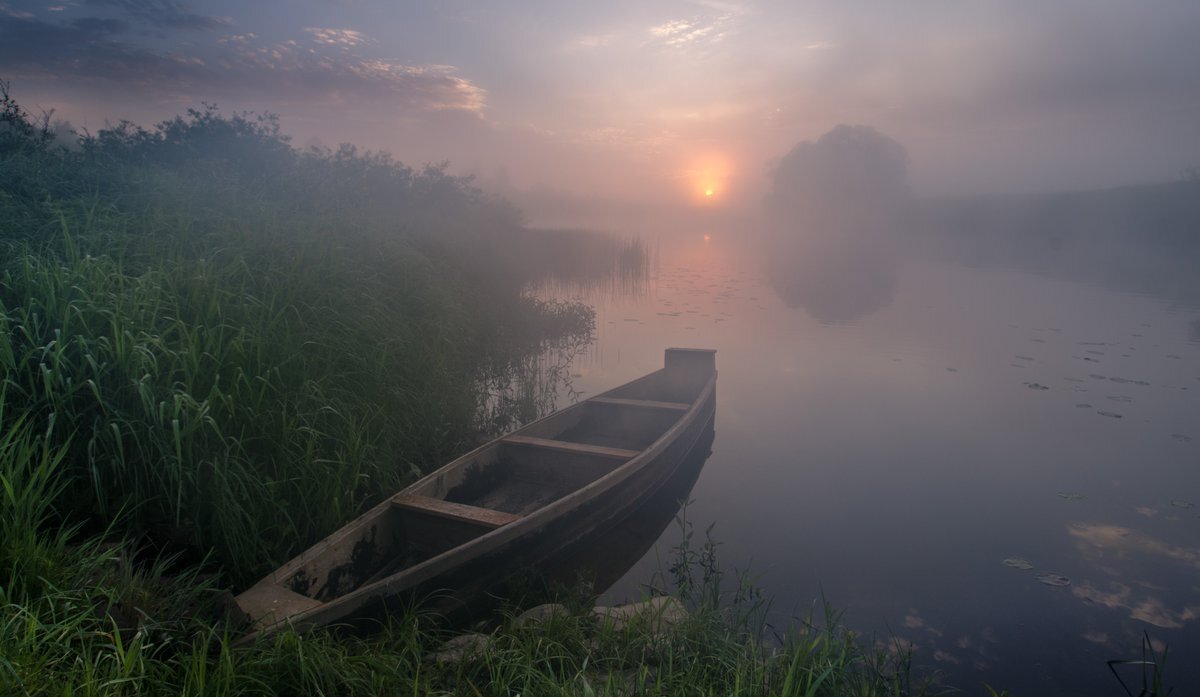
This guide walks through the traditional Chinese readings of water dreams — rivers, lakes, seas, floods, and falling in — alongside what modern psychology says about them. None of it is a prediction. Think of it as cultural vocabulary: a set of old metaphors for naming what your sleeping mind was trying to show you.
Rivers, Lakes, and Seas: Four Faces of Water
The same element takes on a very different mood depending on where you meet it. In the old folk readings, a wide, fast-moving river usually points to change. You dream of standing on a riverbank watching the current rush past when something big is already in motion — a job change, a move, a decision the whole family is circling around. The river is the shape of a life that won’t sit still.
A stream or a small creek is closer to daily life. It tends to show up when your mind is chewing on something small but unfinished: a reimbursement that has been waiting two weeks, a dinner you had to reschedule three times before it finally happened. The water is narrow, and so is the worry.
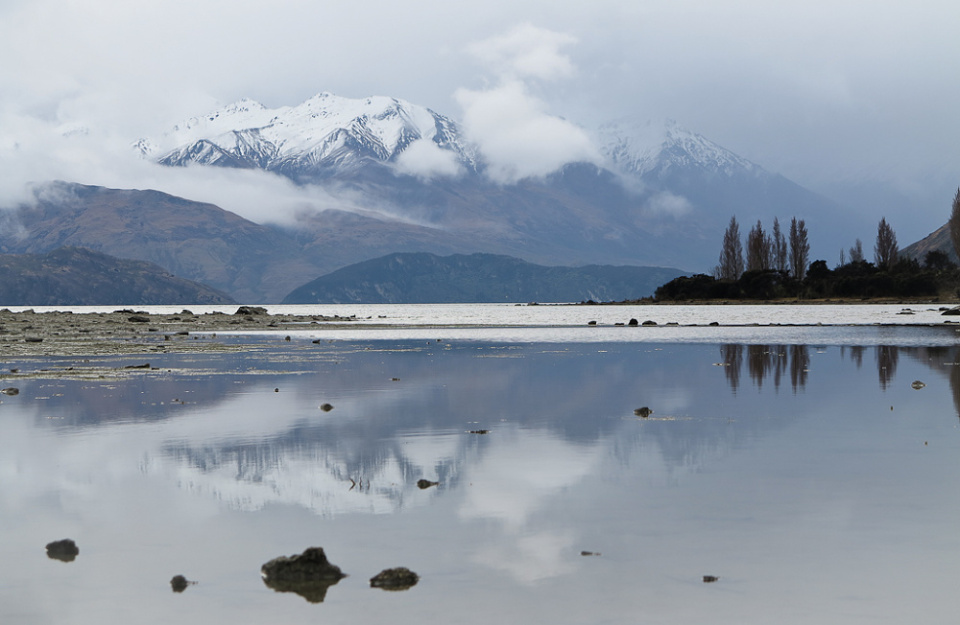
A lake is the quietest of the four. Its surface lies flat as a mirror, and in traditional dream reading — the kind collected in Zhou Gong’s Dream Interpretation, a classic Chinese dream manual attributed to the Duke of Zhou, a statesman of the ancient Zhou dynasty — a calm lake is usually read as a calm mind. You dream of strolling beside a lake when your sleep has improved, when a quarrel with a family member has softened, or when a problem that nagged you for months finally has an answer.
The sea is the opposite. It is too big to see the far side of, and people who dream of the ocean often wake up saying the same thing: “I felt so small.” That dream tends to arrive when something in your life is too large to take in at a glance — starting your first business, watching your child leave home for university. The sea is what an overwhelming scale looks like in a dream.
Sometimes you can’t tell whether it was a river or the sea at all. All you remember is a lot of water, and yourself standing at the edge. In that case, don’t force the dream into a category. Two details are enough: was the water still or moving, and were you on the shore or in the water?
Clear Water and Muddy Water: The Same Element, Two Readings
In the traditional readings, whether the water is clear or cloudy is the dividing line. Dream of clear water — so transparent you can see the stones on the bottom and small fish darting between them — and the old saying goes “clear water means things go smoothly.” A deal you negotiated for two months finally gets signed. The tiredness that dragged on for weeks starts to lift. Clear water in a dream is linked to seeing clearly, thinking clearly, and moving forward without getting stuck.
Muddy water reads the other way. Yellow, churning water full of silt usually comes with a nudge to pay attention: something on your plate may have a detail you overlooked — a line of small print in a contract you skimmed, an elderly parent who keeps mentioning heavy legs but won’t go to the doctor. The point is not to scare you. Think of it as the dream flagging a small loose end that actually exists in waking life, and worth checking.
One pattern is worth writing down when it happens: a dream that starts muddy and turns clear. Many people describe exactly this — the water is thick at first, then it slowly clears, and by the end of the dream you can see the bottom. Folk reading treats it as things moving in the right direction: a cold almost over, a misunderstanding with a colleague finally cleared up. The change itself, from murky to clear, is the most interesting part of the dream.
Floods, Falling In, and Crossing Over: When the Water Moves
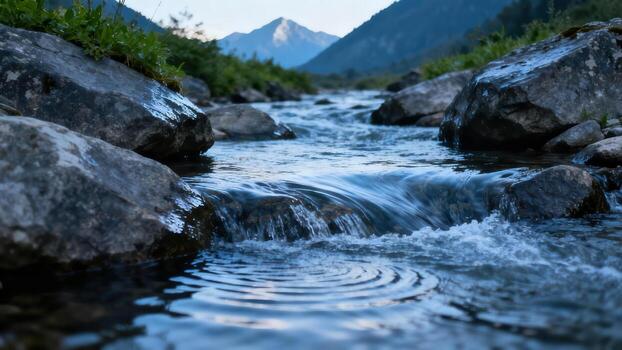
Once the water starts moving, the mood of the dream changes with it. A flood is one of the most common “moving water” dreams: water rolling in from the end of the street, over the steps, up to your front door. The traditional reading links it to too much arriving at once — three deadlines landing in the same week, a parent in hospital, a child’s school application, and a mortgage renewal all crowding into a single month. Your mind is full, so the dream floods.
When you wake from a flood dream, the useful question isn’t “what does it predict?” Count instead how many things are actually pressing on you this week, then put them in order and take them one at a time.
Falling into water is a different experience. You slip in, swallow a mouthful, and paddle hard for the shore, waking with your heart still racing. It often follows a daytime moment of losing control — being called on in a meeting with no warning, or hearing news you weren’t prepared for. Psychologists often read this kind of dream as a rehearsal: the brain replaying the day’s panic while you sleep, running through the loss of control in a safe place.
Crossing a bridge, riding in a boat, or wading across a river form the gentlest group of water dreams. A bridge is something you walk across, a boat carries you, wading is one step at a time. Folk reading connects them with transition — moving from one stage of life to the next: a probation period turning into a permanent job, moving into a new home, a child starting primary school. How steady the bridge felt, how much the boat rocked, whether the water reached your ankles or your knees — the details change how the dream feels when you remember it.
Three Details People Often Mix Up
- Water temperature: Cold water in a dream usually comes with tension; warm water usually comes with relaxation. Notice which one you felt.
- The sound of the water: A rushing stream and a silent surface leave very different feelings behind. The first usually carries urgency; the second, stillness.
- Who was with you: Dreams where someone stands beside you at the water’s edge rarely wake you up afraid. Company changes everything, even in a dream.
What Psychology Says About Dreaming of Water
Set the traditional readings aside for a moment, and modern psychology offers a plain explanation: water often stands in for emotion. Feelings are invisible, so the sleeping brain draws them as water. When your emotions are steady, the surface is flat. When they churn, waves appear. When you are holding back a lot of unsaid things, the water turns deep and dark, with no bottom in sight.
It isn’t mysterious, but it is practical. Someone who dreams of great floods three nights in a row can usually trace it back to one daytime event that stirred their emotions — if they stop and look.
There is also a simpler, physical angle. Drinking too much water before bed, a full bladder, a blanket too heavy on a hot night — all of these can put water in your dreams. Many people know the experience of dreaming they are searching everywhere for a bathroom, then waking up and going straight to one. Others dream of swimming, then wake to find an arm numb from sleeping on it. The body’s signals get into the dream before you do.
So a single water dream is rarely worth over-reading. A week of the same kind of water, night after night, is the pattern worth paying attention to — and usually the thing worth checking is the rhythm of your recent days.
The old readings and the psychological view don’t actually conflict. One is the symbolism passed down through a culture; the other is how the brain processes emotion. Both offer a way of understanding the dream, and both are for reference only — neither is a verdict on your future.
After a Water Dream: Three Small Things to Do the Next Day
Instead of turning the dream over and over in your head, treat it as a checklist. First, spend five minutes writing it down: what the water looked like, whether you were on the shore or in it, and whether you woke up afraid or calm. A dream written down is a different thing from a dream spinning in your head — and once it’s on paper, the detail that mattered most usually turns out to match something in your waking life.
Second, check one small thing in real life. If the water was muddy, look at the task you’ve been putting off: an account that hasn’t been reconciled, a sentence you meant to say and didn’t, a check-up you’ve delayed for six months. If it was a flood, list everything you have to do this week, order it by urgency, and do one thing at a time.
Third, give your body some slack. Go to bed a little earlier that night, put the phone down an hour before sleep, and eat something light for dinner. Recurring water dreams are often tied to several nights of staying up late and big emotional swings before bed. When the body steadies, the water in the dream tends to calm down too.
Dreaming of water isn’t frightening. It’s more like a mirror, showing the shape of your recent life: whether things are going smoothly, whether your mind is unsettled, whether your body is tired. Rivers, lakes, and seas each carry their own reading; clear water and muddy water each point in a different direction. But these are cultural references, not a fortune-teller’s verdict. Write the dream down, sort out the task in front of you, and get a good night’s sleep — that is the best answer to a water dream. All content above is cultural information for reference only.
Quick Answers
What does dreaming of a river mean in Chinese tradition? A wide, fast river is usually linked to change — a job move, a relocation, or a big decision in progress. A small stream tends to reflect everyday unfinished business.
Is dreaming of clear water a good sign? In the traditional readings, yes — “clear water means things go smoothly.” It is associated with clarity and progress, not with a guaranteed outcome.
What about muddy water? Muddy or cloudy water is traditionally read as a reminder to check a detail you may have overlooked in waking life, such as a contract clause or a postponed check-up.
What does a flood dream mean? Folk reading links floods to too many things arriving at once. The practical response is to list the week’s pressures and order them, rather than searching for a prediction.
What does psychology say? Water often stands in for emotion: calm water for a steady mood, waves for agitation, deep dark water for feelings held back. Physical causes matter too — a full bladder or a heavy blanket can put water in a dream.
What should I do after a water dream? Write it down in five minutes, check one small unfinished thing in real life, and get a good night’s sleep. If the same dream repeats for a week, look at your recent routine rather than the dream itself.