It is the first week of November. You step out in the morning, a gust of wind hits the back of your neck, and it suddenly clicks: autumn is really over. Around this time of year, a lot of people start noticing cold hands and feet, restless nights, and one cold after another. More often than not, it is not that you are suddenly weaker – it is that your body has not caught up with the change of season yet.
In China, this turning point has a name: Lidong, the Start of Winter. Lidong is one of the 24 solar terms in the traditional Chinese calendar, marking the day winter officially begins – in 2026 it falls on November 7. Traditional wellness wisdom sums up Lidong in a single word: “store.” As days shorten and temperatures drop, the body’s rhythm is supposed to slow down, warm up, and conserve energy. Here are five practical areas to adjust, each with steps you can start today.
1. Sleep: Go to Bed Earlier, Get Up a Little Later
After Lidong, darkness comes early and dawn comes late, so let your sleep follow the light. Aim to be in bed by 10:30 p.m. and up around 7:00 a.m., giving yourself 7 to 8 hours. Falling asleep in that window means you wake up just as the sky is brightening, instead of feeling dragged out of bed by the alarm.
If you usually stay up until midnight, do not try to change overnight. Move your bedtime 15 minutes earlier each day, and within a week you will have shifted it by nearly two hours without a struggle.
When you wake up, do not throw off the blanket and jump straight up. Stretch in bed, wiggle your hands and feet, sit up, wait about 30 seconds, then stand. This matters most if you sometimes feel dizzy first thing in the morning – that slow start prevents a lot of unnecessary discomfort.
Put your phone down half an hour before bed. A foot soak is a good evening ritual: water around 40 degrees Celsius (about 104 degrees Fahrenheit), 15 to 20 minutes, until your feet feel pleasantly warm. Stop when the water cools; soaking until you are drenched in sweat defeats the purpose.
2. Food: Eat Warm, Rotate Three Groups of Ingredients
The keyword for Lidong eating is “warm”: warm, easy-to-digest food, and less raw or cold food. Warm nourishment does not mean a feast of rich meat every day. For an ordinary household, rotating three groups of ingredients is plenty.
- Roots and tubers: yam, sweet potato, lotus root, and white radish. Yam stewed with pork ribs or a steamed sweet potato for breakfast are simple, warming combinations. When you stew white radish, add two slices of ginger and much of its cooling quality disappears.
- Nuts and beans: walnuts, black sesame, and black beans. A small handful of walnuts a day – about 5 or 6 – is enough. Black sesame can be ground into powder and stirred into porridge, one spoonful at a time.
- Warming seasonings: fresh ginger, scallions, garlic, and Sichuan pepper. Two slices of ginger in your morning porridge, an extra clove of garlic in a stir-fry – warming the body from the inside works better than simply piling on another sweater.
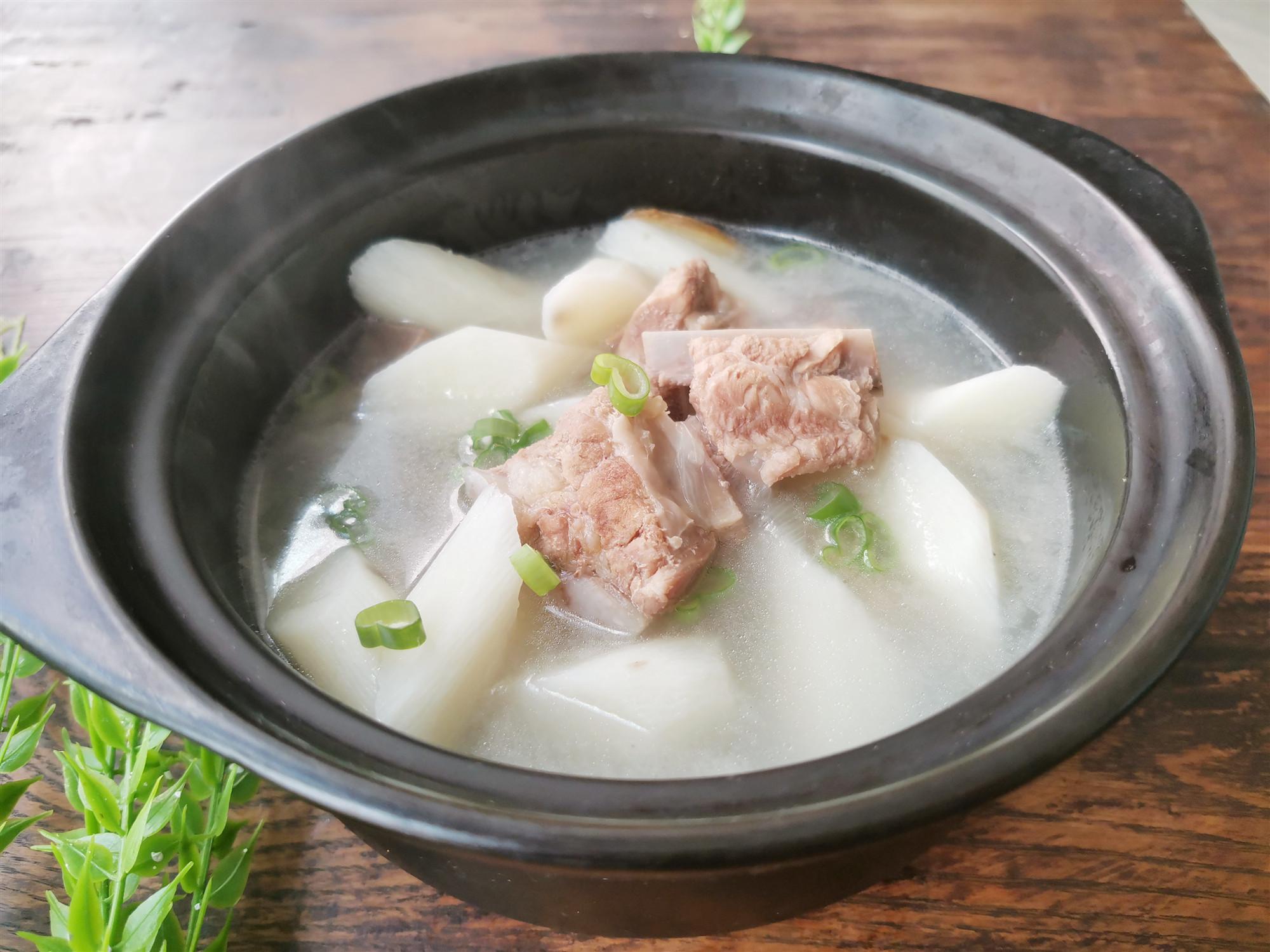
Two extra reminders. First, after Lidong, heavy hot pot and barbecue meals are easy to overdo; the day after one, drink more water and eat more vegetables to balance things out. Second, nourishing food should match your constitution. If you already tend toward a dry mouth or constipation, go easy on strongly heating foods like lamb and longan – do not join the “winter fattening” trend just because everyone else is.
3. Stay Warm: Protect Three Spots That Catch Cold First
The autumn-to-winter transition is treacherous because of temperature swings: sunshine feels warm at noon, then an evening wind cuts straight through you. You do not need to wrap yourself up like a parcel. Focus on the three spots most likely to catch cold.
- Neck and shoulders: carry a scarf when you go out, and wrap your neck when the wind picks up. Many people find their shoulders stiffen and their head aches after catching cold – usually this spot was left unprotected.
- Lower back and belly: choose a coat long enough to cover your waist. If you sit at a desk all day, drape a light blanket over the chair back so your back is not exposed to the draft from an air vent or a window gap for hours.
- Feet: feet are farthest from the heart and the first to go cold. Wear warm, non-slip shoes and switch to thicker cotton socks. If your feet are cold when you get home, soak them before bed – it works faster than adding a second blanket.
One more detail: when the temperature gap between indoors and outdoors is large, pause at the doorway for a moment instead of rushing from a heated room straight into the cold wind. Older adults and children should be especially careful about this.
4. Exercise: Keep Moving, But Do Not Sweat Heavily
Cold weather makes people lazy, but the less you move, the more you feel the cold. The Lidong rule for exercise is simple: keep moving, but stop before you break into a heavy sweat. Light sweating and a warm body are enough; sweating through your clothes makes it easy to catch cold afterward.
The best windows are 9:00 to 11:00 a.m. or 3:00 to 5:00 p.m., when temperatures are higher and the sun is out. Heading out at 6:00 a.m. when it is still dark exposes your airways to a blast of cold air – a later start is the wiser choice. Good options include brisk walking, slow jogging, Baduanjin (a gentle set of eight traditional Chinese qigong movements), and Tai Chi. For brisk walking, aim for 30 minutes a day at a pace where you can talk but not sing. A full Baduanjin set takes about 15 minutes and can be done in your living room – ideal if you would rather not go out.
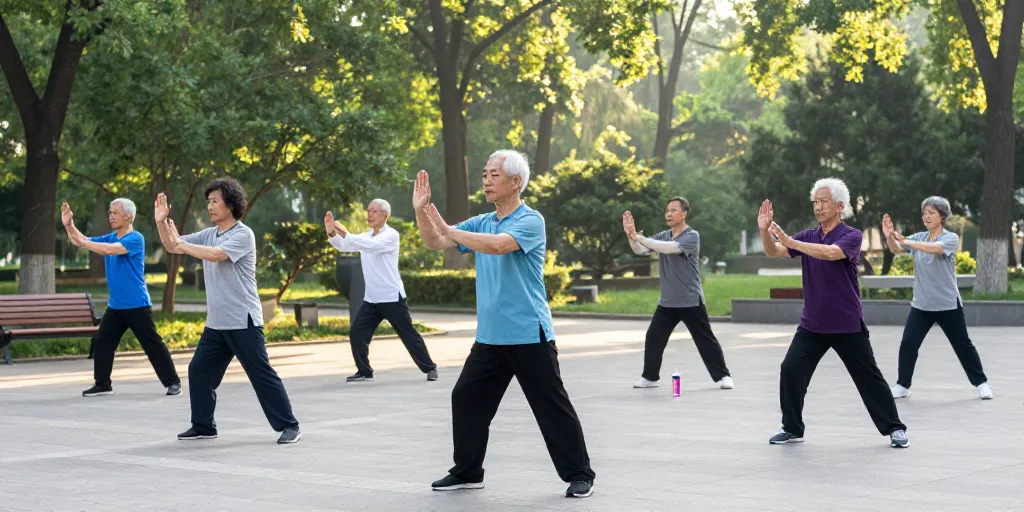
Warm up for 5 minutes first: rotate your wrists and ankles, loosen your waist. After exercising, dry off promptly and add a layer – do not stand around chatting in the wind in sweat-damp clothes. If your knees are sensitive to cold, a thin knee sleeve during walking or running helps.
5. Mood: Give Your Mind a Little Sunshine
As days grow shorter after Lidong, many people feel oddly low and unmotivated. This is a very common seasonal response, and the remedies are refreshingly practical: get more sunlight, and talk to more people.
When the sun is out around midday, step outside for 20 to 30 minutes. Even a short walk downstairs or a hot drink run beats staying indoors all day. On weekends, invite a friend for a warm meal and a chat – it lifts the mood far more than an afternoon of scrolling alone.
If low mood, poor sleep, and loss of interest last for two weeks straight, do not tough it out. Talking to a doctor or a mental health professional is not being dramatic – it is taking responsibility for yourself.
One small habit helps too: before bed, write down three things to do tomorrow, on paper. When tomorrow has a shape, you wake up calmer, and the whole day runs more steadily.

Quick Answers
What is Lidong, exactly? Lidong is the 19th of the 24 solar terms in the traditional Chinese calendar, falling around November 7 each year. It marks the formal start of winter and the point when the body’s routine traditionally shifts toward rest and warmth.
Do I need to eat special “winter tonic” food? No. Warm, digestible everyday food – root vegetables, nuts, beans, and warming seasonings like ginger and garlic – covers it. Skip the expensive tonics and adjust to your own constitution.
What is the best time to exercise in winter? Late morning (9:00 to 11:00 a.m.) or mid-afternoon (3:00 to 5:00 p.m.), when it is warmest. Avoid early-morning outdoor exercise in cold, dark conditions.
I feel low every winter. Is that normal? Yes, shorter days commonly dampen mood. Daily sunlight, social contact, and a simple routine help. If it persists for two weeks or more, seek professional advice rather than enduring it.
Where should I start if I can only change one thing? Sleep. Getting to bed by 10:30 p.m. and rising around 7:00 a.m. is the single change that makes every other habit easier.
Your One-Week Action List
Boil the five points above into a list you can start this week: in bed by 10:30 p.m., up by 7:00 a.m.; a hot porridge with ginger for breakfast; a scarf every time you go out; 30 minutes of exercise in the morning or afternoon; 20 minutes of midday sun. You do not have to do them all at once – pick two, stick with them for a week, and your body will give you feedback.
Lidong is not asking you to take massive tonics or guard against every draft. It is a reminder: the season has changed, so your rhythm should change too. Eat a little warmer, sleep a little earlier, keep moving, and keep your spirits up – and this winter will go by steadily.
Disclaimer: These wellness suggestions are for general reference only and are not medical advice. They do not promise any treatment effect. If you feel unwell, please consult a qualified medical professional promptly, and do not delay treatment or attempt self-diagnosis.