It’s 7 a.m. on the ninth day of the ninth lunar month, and the trail up Fragrant Hills outside Beijing is already packed. Retirees with thermoses, young couples with cameras, grandparents holding grandchildren by the hand — everyone is climbing. Ask any of them why, and you’ll get a smile: “It’s the Double Ninth. You’re supposed to climb high today.”
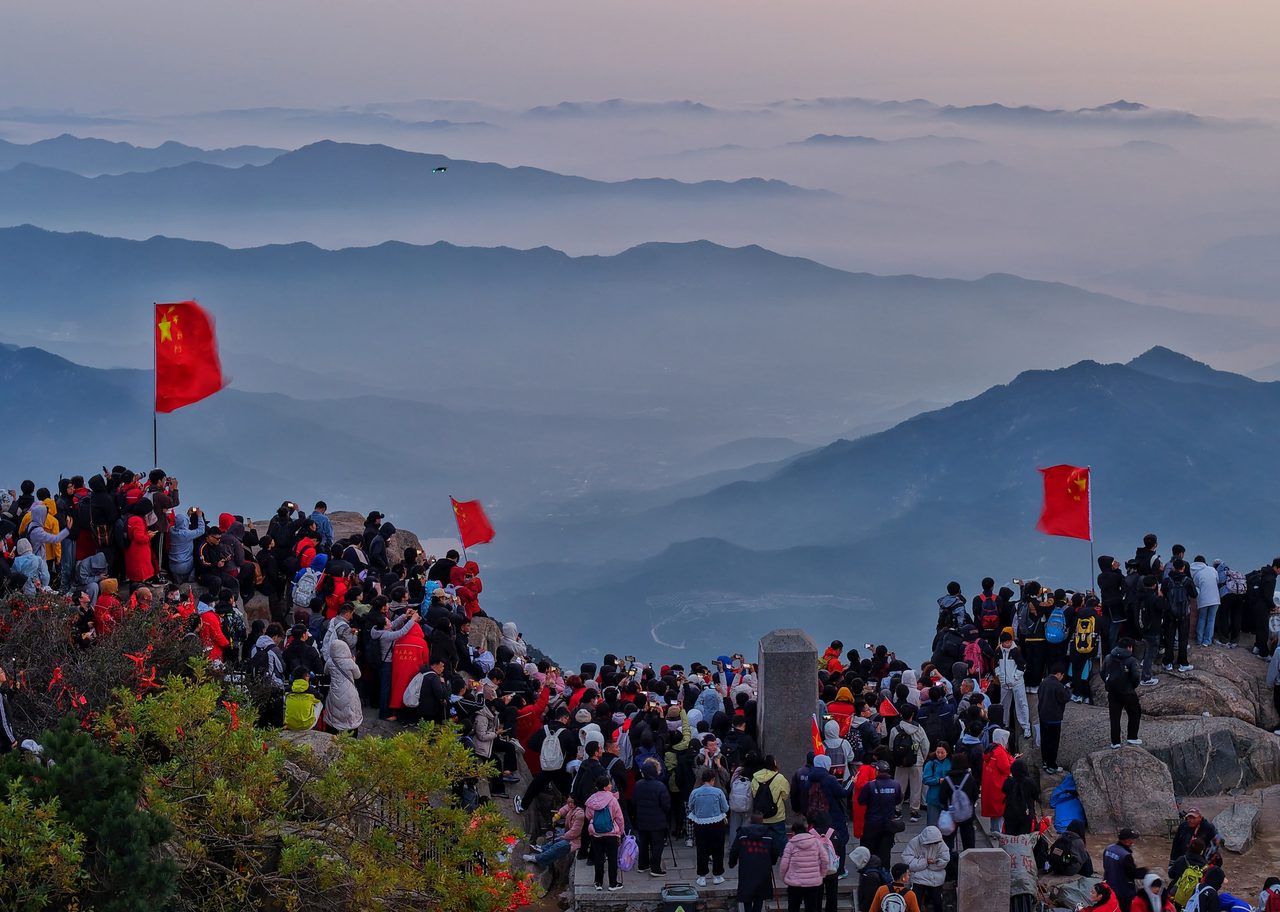
This is the Double Ninth Festival (Chongyang Jie, literally “Double Yang Festival”), one of China’s oldest traditional holidays. In 2026 it falls on October 29. But why mountains? Why the ninth day of the ninth month? The answer weaves together ancient numerology, a plague-avoidance legend, and some very practical autumn wisdom.
Why “Double Ninth”? The Power of the Number Nine
In the Yijing (Book of Changes), odd numbers are yang — active, bright, masculine energy — and nine is the largest single-digit odd number, the “ultimate yang.” When the ninth day meets the ninth month, you get “double ultimate yang.” Ancient Chinese scholars read this as a day when yang energy peaks — and, paradoxically, begins to tip over. Too much of a good thing turns: the festival’s customs are all about managing that excess, channeling strong yang energy into health and protection rather than letting it curdle into misfortune.
This is why the day was historically considered both auspicious and slightly dangerous — a day to take precautions, which is exactly where the climbing comes in.
The Legend: Huan Jing and the Plague Demon
The most famous origin story dates back some 1,700 years to the Eastern Han dynasty. A young man named Huan Jing studied under the Daoist master Fei Changfang, who warned him: “On the ninth day of the ninth month, a plague demon will strike your village. Take your family up the mountain, carry dogwood (zhuyu) sprigs, and drink chrysanthemum wine.”
Huan Jing did exactly that. When they returned, they found their livestock dead from plague — the demon had struck, but the family, high on the mountain, was spared. The story spread, and “climb high, wear dogwood, drink chrysanthemum wine” became the festival’s core ritual: a folk recipe for dodging autumn epidemics.
Modern readers will notice the practical core inside the legend. Late autumn was historically a season of respiratory illness in northern China. Moving uphill meant cleaner air and exercise; dogwood and chrysanthemum both have real medicinal properties in traditional Chinese pharmacology. The legend is mythology wrapped around public-health common sense.
The Four Customs, Decoded
1. Climbing high (denggao)
The centerpiece. “Gao” (high) is a homophone for advancement — climbing symbolizes rising in life, career, and health. In practice, the custom gets millions of people, especially seniors, out hiking on a crisp autumn day. Beijing’s Fragrant Hills alone can see hundreds of thousands of climbers on the festival.
2. Wearing dogwood (zhuyu)
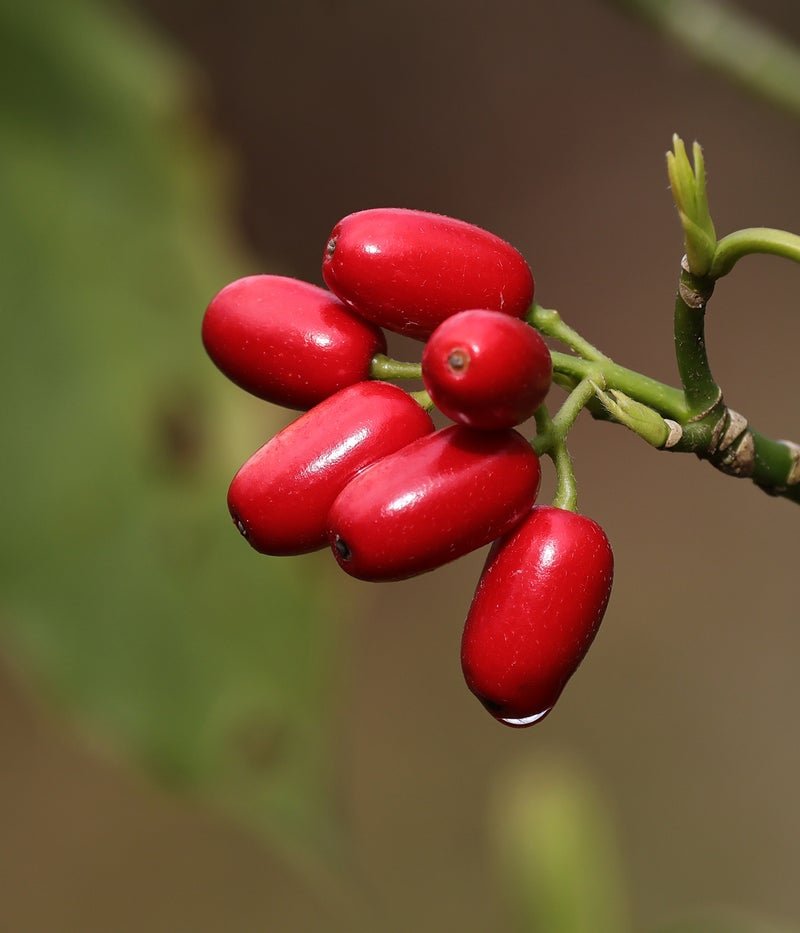
Dogwood sprigs were tucked into hair or hung on doors to ward off evil. The plant’s strong scent was believed to repel “pestilential qi.” In traditional Chinese medicine, cornus fruit (shanzhuyu) is a real medicinal herb used to tonify the liver and kidneys — the folk custom and the pharmacology grew from the same root observation: this plant does something.
3. Drinking chrysanthemum wine
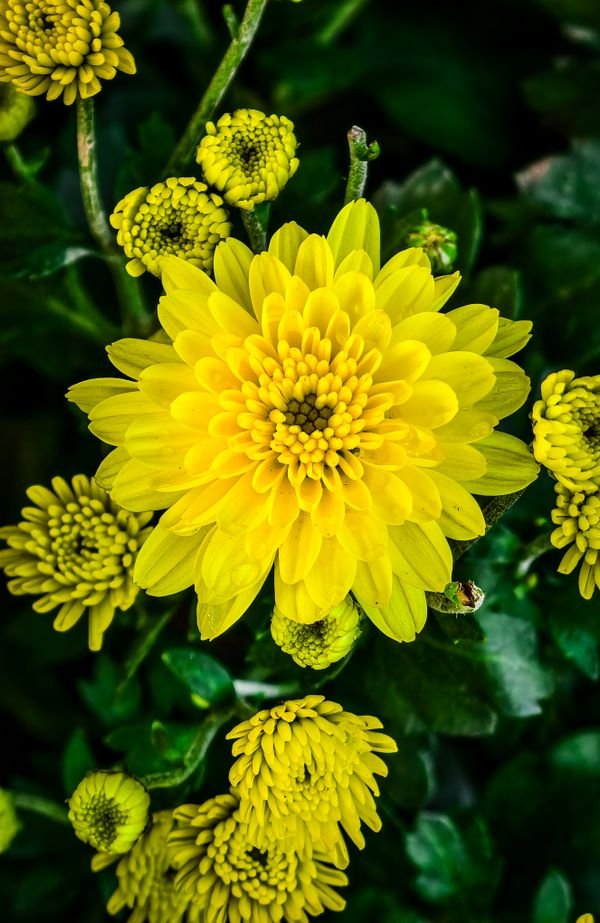
Chrysanthemums bloom in the ninth lunar month, and chrysanthemum wine was the festival drink. Beyond symbolism, chrysanthemum tea is still one of China’s most popular herbal drinks, traditionally used to “clear heat” — cool the body, soothe the eyes, calm the nerves. The festival turned a seasonal flower into a seasonal health ritual.
4. Eating Double Ninth cake (chongyang gao)
“Gao” (cake) sounds like “high,” doubling down on the climbing symbolism. The cake, usually made of rice flour with nuts and jujubes, was also practical trail food — dense energy for the hike.
From Warding Off Evil to Honoring Elders
In 1989, China officially designated the Double Ninth Festival as Seniors’ Day (Respect for the Aged Day). The logic was elegant: the festival’s core audience had always been older people — they’re the ones who climb, who remember the customs — so the holiday was reframed around filial piety and elder care. Schools organize visits to nursing homes; families take grandparents out for the day.
The old “avoid disaster” logic and the new “honor elders” theme actually fit together: both are about protecting the vulnerable as winter approaches.
Quick Answers
When is the Double Ninth Festival in 2026? October 29, 2026 (ninth day of the ninth lunar month).
Do I have to climb a mountain? No — any high place works, even a city park hill or a rooftop. The point is getting outside and moving.
What should I bring for a Double Ninth hike? Water, windproof layers (it’s 5–8°C cooler at the top), non-slip shoes, and snacks. Start early to avoid the crowds.
Is dogwood the same as the American dogwood tree? Not exactly — the festival plant is Cornus officinalis (Asiatic dogwood), valued for its fruit in Chinese medicine, while ornamental dogwoods are different species grown for flowers.
The Double Ninth Festival is a 1,700-year-old reminder that the best health advice is often the simplest: when autumn comes, go outside, climb something, and bring your grandparents along.